




New In-Vehicle Technology Targets Habitual Drunk Drivers
WALTHAM, MA - U.S. Transportation Sec. Ray LaHood and National Highway Traffic Safety Administrator David Strickland on Jan. 28 took a first look at new Driver Alcohol Detection System for Safety (DADSS) technology being developed to prevent alcohol-impaired drivers from operating their vehicles while under the influence.
WALTHAM, MA - U.S. Transportation Sec. Ray LaHood and National Highway Traffic Safety Administrator David Strickland on Jan. 28 took a first look at new Driver Alcohol Detection System for Safety (DADSS) technology being developed to prevent alcohol-impaired drivers from operating their vehicles while under the influence.
LaHood and Strickland were joined by Shane Karr, vice president for federal government affairs at the Alliance of Automobile Manufacturers, and Laura Dean Mooney, national president of Mothers Against Drunk Driving (MADD), for a demonstration of DADSS technology at the QinetiQ lab where it is under development in Waltham, Mass.
While still in the developmental stages, DADSS is seen as a potential tool for keeping drunk drivers from being able to operate their car if their blood-alcohol concentration is at or above the legal intoxication limit (.08 BAC or higher). The technology could be voluntarily installed as an option for new cars. One system under evaluation determines the blood-alcohol concentration through a touch-based approach and another system uses a breath-based approach.
NHTSA research shows that drivers involved in fatal accidents with blood-alcohol levels above the .08 legal limit are eight times more likely to have had a prior conviction for impaired driving than drivers who had no alcohol in their bodies at the time of a wreck.
"Drunk driving continues to be a national tragedy that needlessly claims the lives of thousands of people on our highways each year," said LaHood. "We need to put an end to it."
MADD President Laura Dean-Mooney, who was left a widow and single mother when a drunk driver killed her husband, Mike Dean, welcomed the progress of the DADSS research effort. "Auto makers have stepped up to help turn cars into the cure," she said. "This project has made substantial progress and this technology could one day be an important step in our efforts to eliminate drunk driving."
DADSS is being developed under a five-year, $10 million cooperative initiative between NHTSA and the Automotive Coalition for Traffic Safety (ACTS), an industry group representing most of the world's auto makers.
"What we're doing is developing technology that won't interfere with sober drivers, will require virtually no maintenance or upkeep and will have such precision that it only stops a driver when their blood-alcohol content is .08 BAC or higher, which is the illegal limit for drunk driving in every state," said Shane Karr. "Now that we have actual prototypes, a tremendous feat in itself, we'll be working to identify the gaps in performance between these prototypes and the precise standards we've identified as true technology requirements. This will point the way forward for the next phase of research."
"The technology we are seeing here today could quite simply signal a new frontier in the fight against drunk driving," said Strickland.
The next stage of development, which would include practical demonstrations of one or more of the alcohol detection technologies, could begin later this year.
"Whatever the future holds for these advanced drunk driving prevention technologies, one thing remains clear; no technology can, or should, ever replace a driver's personal responsibility not to drive drunk," Strickland said.
In 2009, 10,839 people died nationwide in crashes involving a drunk driver. These deaths make up 32 percent of all fatal crashes.
More Safety
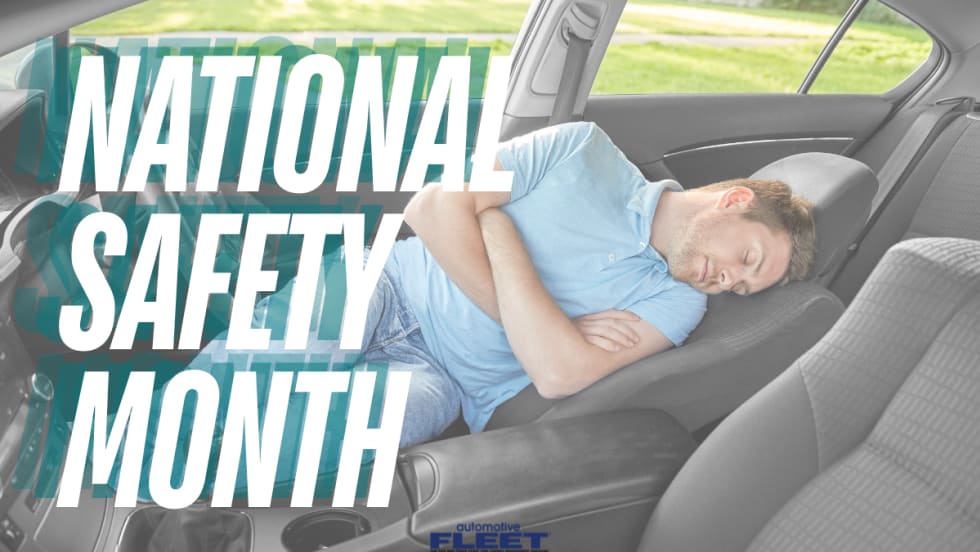
How Emotions Behind the Wheel Can Affect Fleet Safety
During National Safety Month, fleets are encouraged to look beyond distracted driving and recognize how stress, fatigue, and emotional well-being influence driver performance and crash risk.
Read More →
Nominations Open for 2026 Fleet Safety Award
Nominations have officially opened for the 2026 Fleet Safety Award Winner.
Read More →
Turning Connected Vehicle Data Into Decisions That Matter
Fleet leaders have more data than ever, but turning that data into clear, actionable decisions remains a challenge. This white paper shows how leading organizations are using connected vehicle data to improve safety, reduce costs, and optimize fleet performance. Learn how to turn insight into action across your fleet.
Read More →

Cameras, Safety and Insurance: From Reactive Claims to Real-time Prevention
Commercial auto remains one of the most challenging and costly lines of coverage for fleet operators and insurers alike. Learn more about how to effectively address these issues from Onur Aksan, Enterprise Business Development Executive, Geotab.
Read More →
NAFA Fleet Safety Symposium to Collocate With 2026 Fleet Forward Conference
The daylong certificate program will precede the Fleet Forward Conference at the Gaylord National Harbor in Maryland.
Read More →
The Distractions You Can’t Turn Off: What Drivers Face Outside the Vehicle
Fleet drivers face constant visual, cognitive, and environmental interruptions the moment they hit the road. From roadside chaos to mental fatigue and digital overload, today’s biggest driving risks often come from outside the vehicle itself.
Read More →
FLASH Weather AI Launches First Deep-Learning Hail Prediction Model With High-Resolution Forecasting
FLASH Weather AI has launched a first-of-its-kind hail prediction model capable of forecasting hail size and arrival time at 1-kilometer resolution up to 55 minutes ahead, giving fleets and insurers critical time to prepare for severe storms.
Read More →
How Coca-Cola United Protects Its Fleet from Growing Legal Risk
As litigation risk rises, vehicles are increasingly targeted. This Coca-Cola bottler shares how it’s reducing exposure through driver training, technology, and a proactive risk management approach.
Read More →
How to Speak the Same Language on Fleet Safety
Drivers, supervisors, and data often speak different safety “languages.” Getting on the same page will drive better results.
Read More →
Fleet Cybersecurity 101: What You Need from Your Technology Vendors
From identity management to third-party certifications, the right technology partner should make security easier to manage. Here are the three building blocks that fleet managers need to stay in control as connected systems scale.
Read More →