




Frito-Lay Looking at Propane Autogas for Up to 2,000 Vehicles
PLYMOUTH TOWNSHIP, MI - Frito-Lay has partnered with ROUSH CleanTech to develop a liquid propane autogas conversion system for Ford E-350 dual rear-wheel cutaway chassis vehicles. Joe Gold, fleet asset and engineering manager at Frito-Lay North America, said there is potential within the Frito-Lay fleet to convert up to 2,000 gasoline-powered vehicles to propane autogas.
PLYMOUTH TOWNSHIP, MI - Frito Lay has partnered with ROUSH CleanTech to develop a liquid propane autogas conversion system for Ford E-350 dual rear-wheel cutaway chassis vehicles. According to Frito Lay’s Joe Gold, fleet asset and engineering manager at Frito-Lay North America, the company sees a lot of potential for use of this conversion in its fleet.
“Based on the proposed project, this appears to be a viable solution to improve our cost per mile, as well as reduce our environmental footprint,” said Joe Gold, fleet asset and engineering manager at Frito-Lay North America. “If technically successful, and if the conversion economics continue to be favorable, there is potential within the Frito-Lay fleet to convert up to 2,000 gasoline-powered vehicles to propane autogas across the U.S. within the next several years.”
The E-350 DRW cutaway demonstration vehicle with this system will be based on the Ford 5.4 liter, 2-valve V-8 engine and planned for first quarter 2011 production, according to Frito Lay and ROUSH.
According to ROUSH, the company estimates that its ROUSH CleanTech liquid propane autogas Ford E-350 cutaway system can provide significant emissions reductions for two of the six criteria pollutants regulated under the National Ambient Air Quality Standards. When compared to the emissions baseline of typical gasoline vehicles, the system will cut engine-out emissions for NOx by 50 percent and particulate matter by 25 percent. ROUSH said reduction estimates are based on recently-completed emissions testing at ROUSH CleanTech’s EPA-certified testing facility on similar Ford E-series vans that reported a 67 percent reduction in NOx and 50 percent reduction in particulate matter, with additional reductions in non-methane organic gases (25 percent).
Based on an average annual mileage of 20,000 miles for vehicles in the delivery and service industries, and an average fuel economy of 10.5 miles per gallon for a comparable gasoline vehicle, each propane autogas Ford E-350 vehicle is expected to displace almost 1,667 gallons of gasoline per year. Annually, a fleet of 1,225 vehicles would displace 2 million gallons of gasoline each year and 20 million gallons over a 10-year lifetime. ROUSH said it plans to make this system available to other commercial customers, and a company representative said it would be available sometime in the first quarter of this year.
More Fuel

Turning Fleet Payment Data into Executive Insights
Ramel Lindsay of U.S. Bank Voyager discusses how fleets can transform payment and transaction data into actionable intelligence to reduce costs, improve oversight, and support executive decision-making.
Read More →
Why the IRS Raised Its Mileage Rate in the Middle of 2026
Fuel-price volatility drove the rare increase to 76 cents per mile, the fifth midyear adjustment since 2000.
Read More →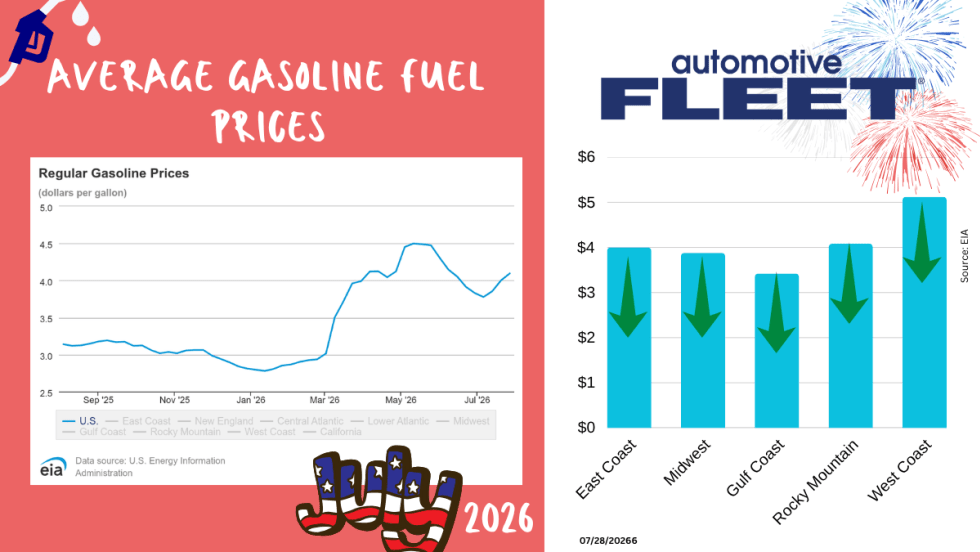
July Fuel Update: Prices Keep Rising in Light of More Conflict
Gas prices continue to rise as more and more conflicts do, too.
Read More →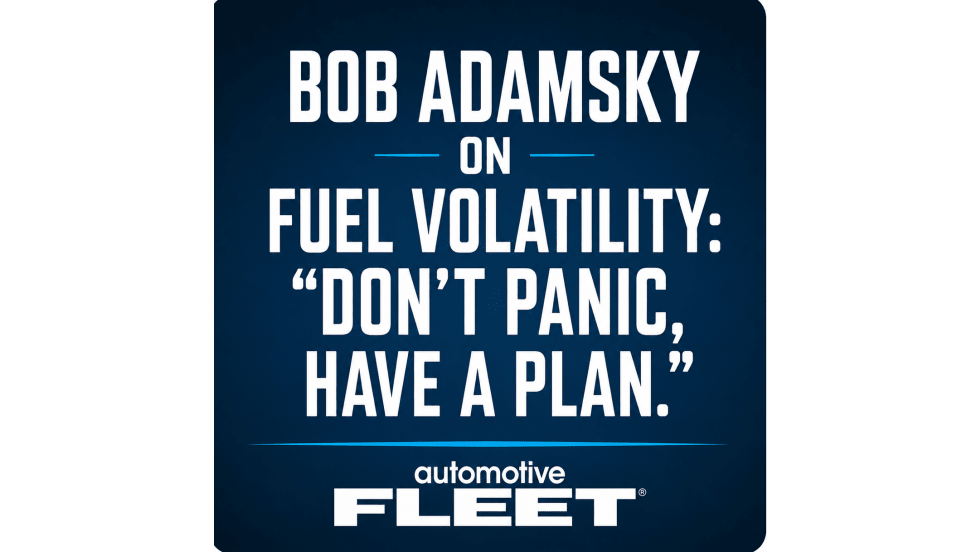
Bob Adamsky on Fuel Volatility: "Don't Panic, Have a Plan."
When it comes to up and down fuel prices, Adamsky has a message for fleets: “Don’t panic.”
Read More →
How Fleets Can Gain Control of Non-Fuel Spend
Fuel often gets the spotlight, but non-fuel expenses can have a major impact on fleet costs. Ramel Lindsay of U.S. Bank Voyager discusses how fleets can gain better visibility and control over these often-overlooked expenditures.
Read More →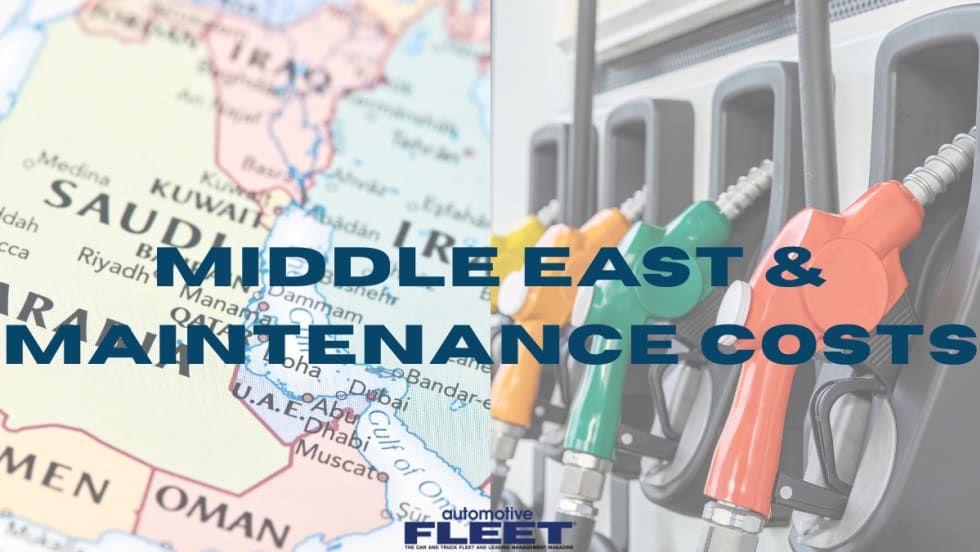
Fuel is Just the Start: How Middle East Tensions are Driving Up Fleet Maintenance Costs
The Middle East conflict is doing more than pushing up fuel prices. It’s also raising the cost of key maintenance products your fleet depends on, from motor oil to tires to windshield wipers. Here’s what you need to know about this budget-busting situation.
Read More →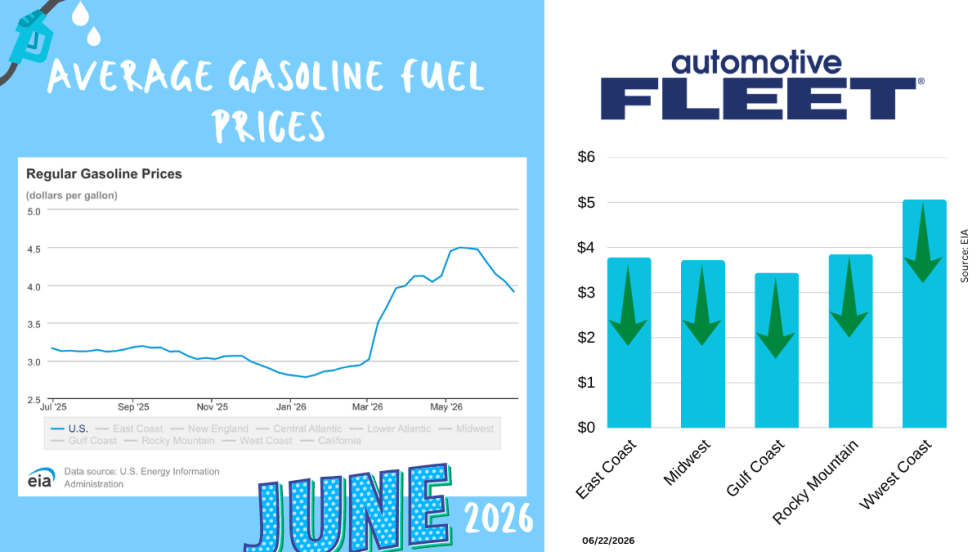
June Fuel Update: Prices Fall Below $4
Drivers are finally getting some relief at the pump. The national average gas price has dropped below $4 a gallon for the first time in months, with prices falling in 47 states as oil markets react to developments in U.S.-Iran negotiations.
Read More →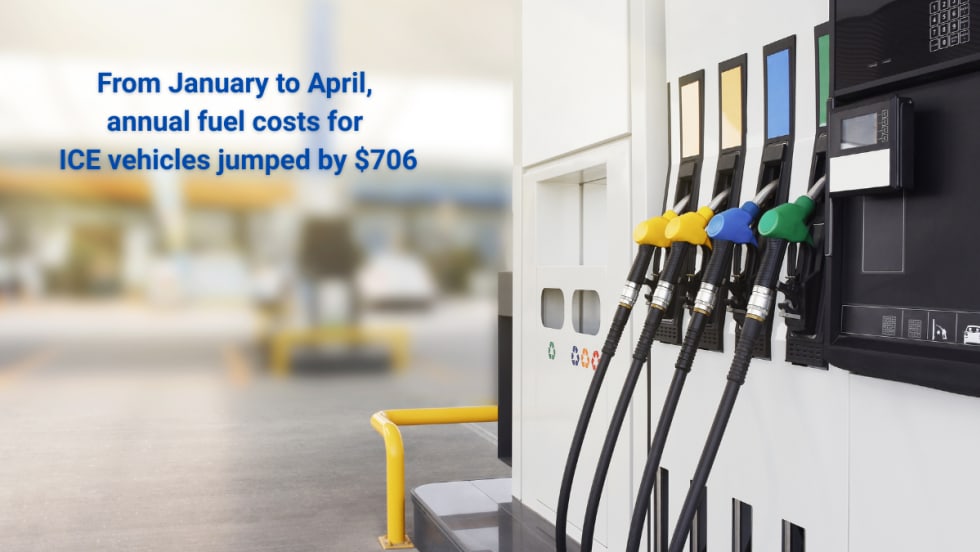
Study: How 2026's Gas Price Hikes Affect Different Vehicle Types
New data from iSeeCars reveals how rising fuel costs have affected different vehicle segments as gasoline prices climbed nearly 46% over the past four months.
Read More →
Are You Tracking Your Fleet's True Total Cost of Ownership?
Bobit Business Media surveyed 190 fleet professionals and found that while most fleets are tracking costs, fragmented systems and data gaps are keeping true TCO visibility out of reach. With rising pressure to control spend in an increasingly volatile environment, the gap between what fleets think they know and what the data actually shows is wider than you might expect. See how your peers are managing costs today and where the industry still has room to improve.
Read More →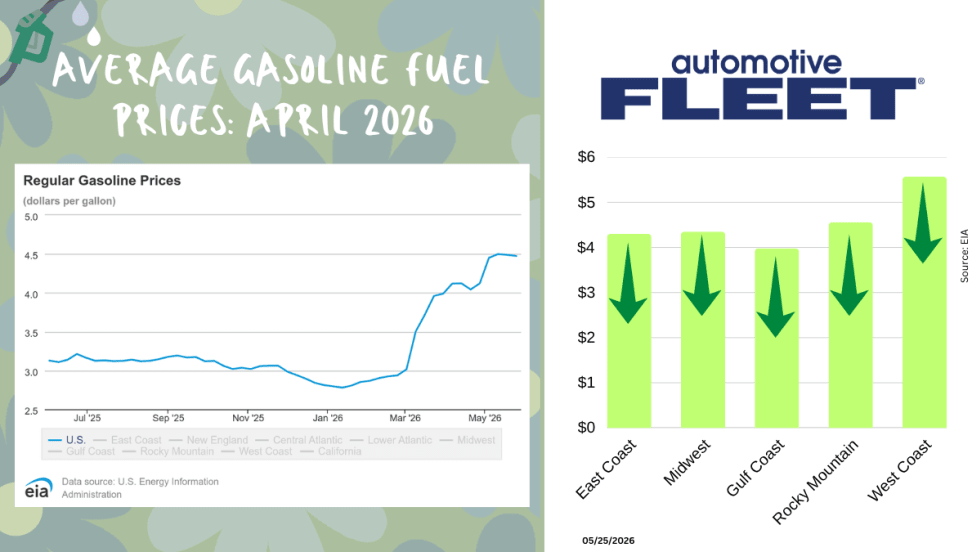
May Fuel Update: All Regions Experience Declines
Gas prices are finally easing in much of the country, but experts warn global tensions could quickly reverse the trend as the national average remains well above last month’s levels.
Read More →