




Ford Offers New Technology for Better Curve Control
DEARBORN, MI - Ford Motor Company introduced Curve Control - a new feature designed to help drivers maintain control of their vehicles when taking a curve too quickly. Curve Control debuts as standard equipment on the all-new 2011 Ford Explorer.
DEARBORN, MI - Ford Motor Company introduced a new innovation - Curve Control - designed to help drivers maintain control of their vehicles when taking a curve too quickly. Ford safety researchers found through analysis of government crash data that approximately 50,000 crashes annually in the U.S. involve driving too fast on a curve.
Curve Control debuts as standard equipment on the all-new 2011 Ford Explorer going into production later this year, and will be offered on 90 percent of the company's North American crossovers, sport utilities, trucks and vans by 2015.
The technology senses when a driver is taking a curve too quickly - a situation found to contribute to about 50,000 crashes each year in the U.S. - and rapidly reduces engine torque and can apply four-wheel braking, slowing the vehicle by up to 10 mph in about one second, according to Ford.
"Too many accidents stem from drivers misjudging their speed going into curves and freeway off- and on-ramps," said Sue Cischke, Ford group vice president of Sustainability, Environment and Safety Engineering. "Ford's Curve Control technology senses a potentially dangerous situation and reduces power and applies brakes more quickly than most drivers can react on their own."
Curve Control is effective on dry or wet pavement, and is expected to be particularly useful when drivers are entering or exiting freeway on- or off-ramps with too much speed. When a vehicle enters a curve too fast, the system responds to the driver's steering input by rapidly reducing torque and increasing brake pressure to help keep the vehicle under control, according to the automaker.
The patent-pending system works by measuring how quickly the vehicle is turning and comparing that with how quickly the driver is trying to turn. When the vehicle is not turning as much as the driver is steering - also known as "pushing" - Curve Control activates. The system applies the precise amount of braking required on each wheel to enhance the individual wheel braking of the traditional stability control system.
Based on Ford's exclusive AdvanceTrac with RSC (Roll Stability Control), Curve Control uses sensors to measure roll rate, yaw rate, lateral acceleration, wheel speed and steering wheel angle, and runs calculations based on those inputs 100 times every second.
Curve Control is one of several new driver assist and safety technologies to be offered on the all-new Explorer. Other technologies include next-generation adaptive cruise control and collision warning with brake support, state-of-the-art pressure-based airbag technology, the industry's first inflatable rear seat belts, and intelligent four-wheel-drive terrain management system, according to Ford.
More Safety
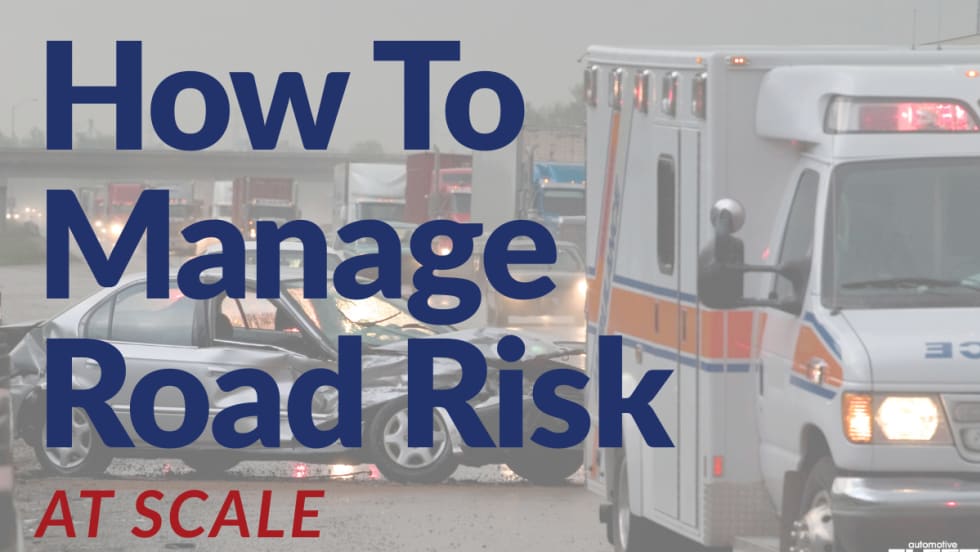
Managing Road Risk at Scale: Why Fleet Safety Needs a Data-Driven Framework
Insights from the FIA Road and Driver Safety Indexes reveal how to manage road risk on a larger scale.
Read More →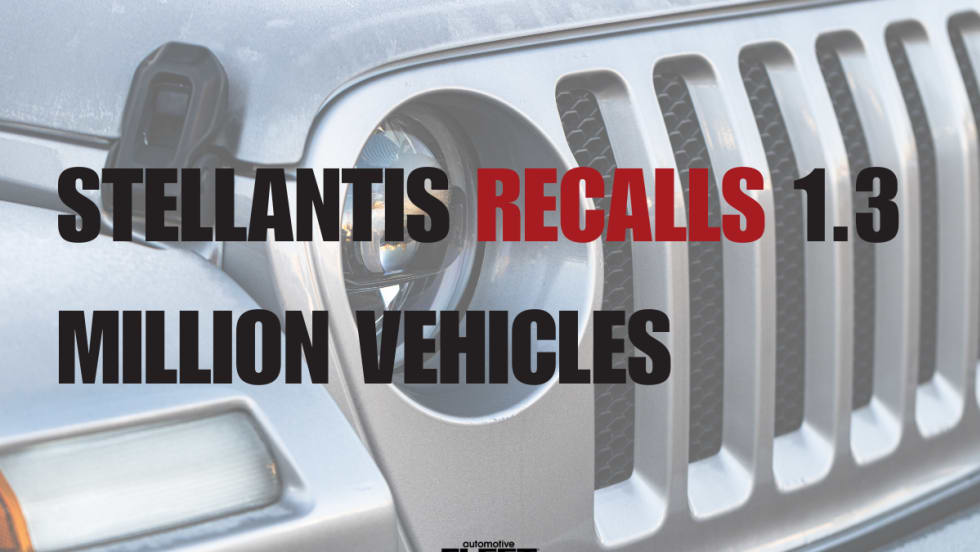
Stellantis Recalls 1.3 Million Jeep Vehicles Worldwide Over Fire Risk
Stellantis is recalling more than 1.3 million Jeep Wrangler and Gladiator models worldwide over a fire risk linked to power steering pump wiring.
Read More →
Coaching Is Not Training, Even When AI Is Doing It
AI-powered safety platforms can detect risky behaviors and deliver immediate feedback. But effective driver development still requires a foundation of training followed by coaching that reinforces those skills.
Read More →

How Emotions Behind the Wheel Can Affect Fleet Safety
During National Safety Month, fleets are encouraged to look beyond distracted driving and recognize how stress, fatigue, and emotional well-being influence driver performance and crash risk.
Read More →
Nominations Open for 2026 Fleet Safety Award
Nominations have officially opened for the 2026 Fleet Safety Award Winner.
Read More →
Turning Connected Vehicle Data Into Decisions That Matter
Fleet leaders have more data than ever, but turning that data into clear, actionable decisions remains a challenge. This white paper shows how leading organizations are using connected vehicle data to improve safety, reduce costs, and optimize fleet performance. Learn how to turn insight into action across your fleet.
Read More →
Cameras, Safety and Insurance: From Reactive Claims to Real-time Prevention
Commercial auto remains one of the most challenging and costly lines of coverage for fleet operators and insurers alike. Learn more about how to effectively address these issues from Onur Aksan, Enterprise Business Development Executive, Geotab.
Read More →
NAFA Fleet Safety Symposium to Collocate With 2026 Fleet Forward Conference
The daylong certificate program will precede the Fleet Forward Conference at the Gaylord National Harbor in Maryland.
Read More →
The Distractions You Can’t Turn Off: What Drivers Face Outside the Vehicle
Fleet drivers face constant visual, cognitive, and environmental interruptions the moment they hit the road. From roadside chaos to mental fatigue and digital overload, today’s biggest driving risks often come from outside the vehicle itself.
Read More →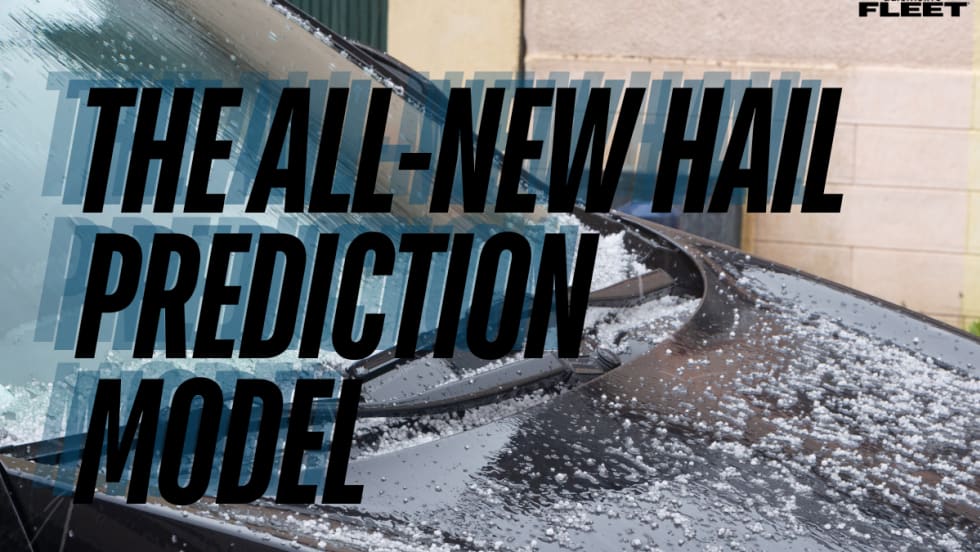
FLASH Weather AI Launches First Deep-Learning Hail Prediction Model With High-Resolution Forecasting
FLASH Weather AI has launched a first-of-its-kind hail prediction model capable of forecasting hail size and arrival time at 1-kilometer resolution up to 55 minutes ahead, giving fleets and insurers critical time to prepare for severe storms.
Read More →