




Sacramento Coca-Cola Bottling First to Lease Nissan Fuel Cell Vehicle
SACRAMENTO, CA - The zero emissions Nissan X-TRAIL FCV will be used by the bottler for sales calls and public events in the Sacramento area in promotion of its Coca-Cola Zero soft drink.
SACRAMENTO, CA- Sacramento Coca-Cola Bottling Co., Inc. is the first company in North America to lease the Nissan X-TRAIL Fuel Cell Vehicle (FCV), the automaker announced Nov. 24.
The Sacramento Coca-Cola lease is for one year, with an option for two additional years.
Nissan, which began development of fuel cell vehicle technology in 1996, has previously used FCVs in demonstration fleets in Japan and in California through the California Fuel Cell Partnership (CaFCP), but this is Nissan's first commercial FCV lease in North America.
"Sacramento already has the beginning of a hydrogen infrastructure in place, and Sacramento Coca-Cola has a track record of utilizing low emissions cars, so the two companies share a green philosophy as well as a common love of things 'zero'," said Eric Noziere, vice president, corporate planning, Nissan North America.
The zero emissions X-TRAIL FCV will be used by the bottler for sales calls and public events in the Sacramento area in promotion of its Coca-Cola Zero soft drink. "This is a big step in furthering our commitment to environmental sustainability," said Bob Brown, executive vice president of Sacramento Coca-Cola, an independent bottler and distributor of products of The Coca-Cola Company, serving the Sacramento and Modesto areas.
Nissan's fuel cell research and development program is part of a range of eco-friendly technologies - including FCVs, electric vehicles, hybrid and improved internal combustion engines - being pursued under the Nissan Green Program 2010, a plan focused on developing new technologies, products and services leading to real-world reductions in CO2 emissions, cleaner emissions and expanded recycling of resources.
The Nissan X-TRAIL FCV is based on the X-TRAIL SUV, which is available in Mexico, Japan, and Europe. It is fitted with a Nissan-developed compact fuel cell stack, a compact Lithium-ion battery and a high-pressure hydrogen storage cylinder. Performance is close to that of a similarly sized internal combustion engine-based vehicle. Versions of this generation X-TRAIL FCV are capable of speeds in excess of 95 miles per hour, with a cruising range of up to 300 miles.
Sacramento-based Nissan X-TRAIL FCVs have already logged nearly 300,000 miles in ongoing internal tests, with one vehicle very close to the 100,000-mile mark. "The future of sustainable mobility will depend on the simultaneous development of many technologies. Test programs like Sacramento Coca-Cola X-TRAIL FCV lease help us keep our momentum going in this arena, even as we're getting ready to roll out the new Nissan LEAF electric vehicle in the next year," said Noziere.
More Green Fleet

Turning Connected Vehicle Data Into Decisions That Matter
Fleet leaders have more data than ever, but turning that data into clear, actionable decisions remains a challenge. This white paper shows how leading organizations are using connected vehicle data to improve safety, reduce costs, and optimize fleet performance. Learn how to turn insight into action across your fleet.
Read More →
Are You Tracking Your Fleet's True Total Cost of Ownership?
Bobit Business Media surveyed 190 fleet professionals and found that while most fleets are tracking costs, fragmented systems and data gaps are keeping true TCO visibility out of reach. With rising pressure to control spend in an increasingly volatile environment, the gap between what fleets think they know and what the data actually shows is wider than you might expect. See how your peers are managing costs today and where the industry still has room to improve.
Read More →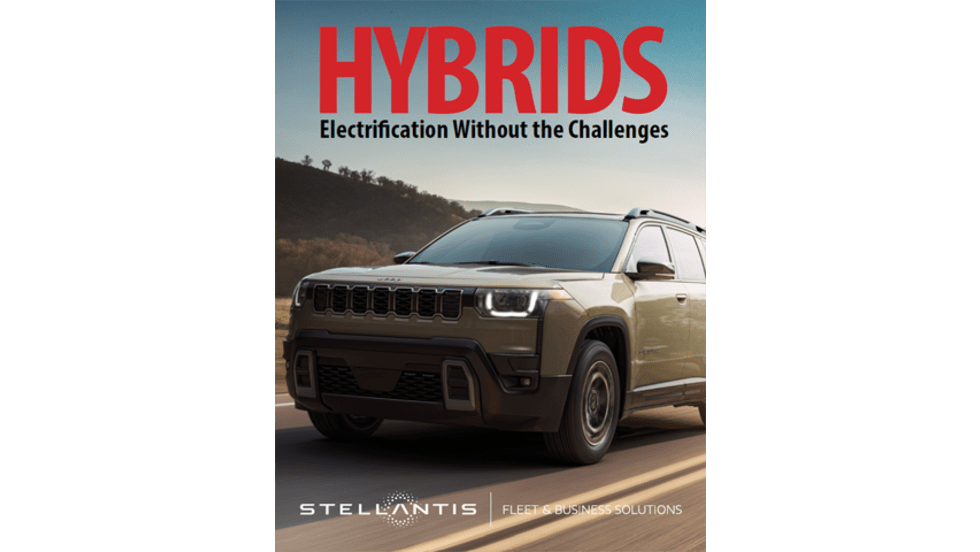
Hybrids: Electrification Without the Challenges
For fleet managers, fuel is one of the biggest line items in the budget — and it's one hybrids can shrink without changing how your people work. Download the eBook to see the numbers, understand the technology, and get a step-by-step guide to making the switch.
Read More →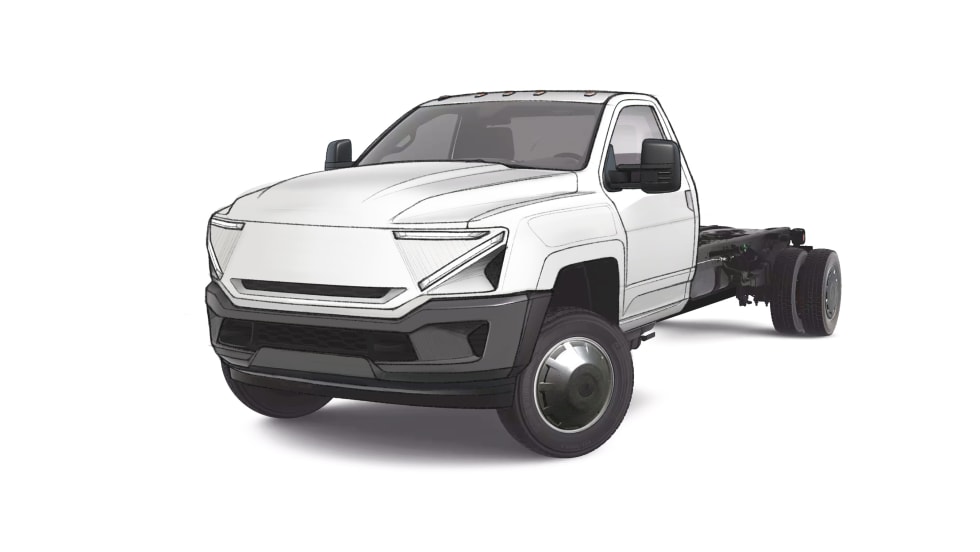
Startup ZMD Motors Developing Electric Conversion for Ram 5500 Work Trucks
Detroit-based company says it has begun early development of a system to convert internal combustion Ram 5500 chassis-cab trucks to electric power.
Read More →
U.S. EV Adoption Is Climbing, but Commercial and Passenger Markets Diverge
New industry group data revealed that light-duty electric vehicle sales are hitting record market share and volumes, while commercial EV volume dipped. What’s driving the fluctuations?
Read More →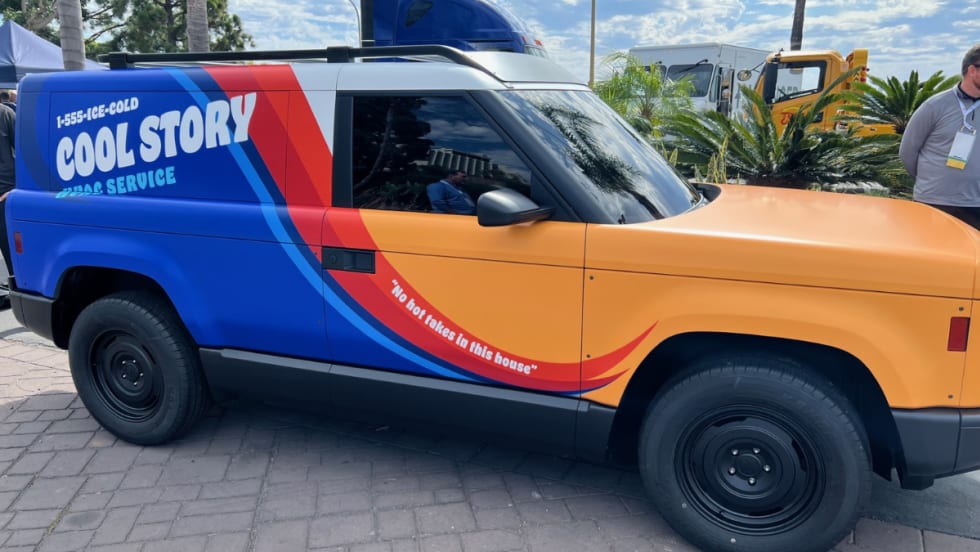
How To Upfit Electric Work Trucks and Vans
The biggest challenge lies in balancing additional equipment and accessories with EV battery capacity and range.
Read More →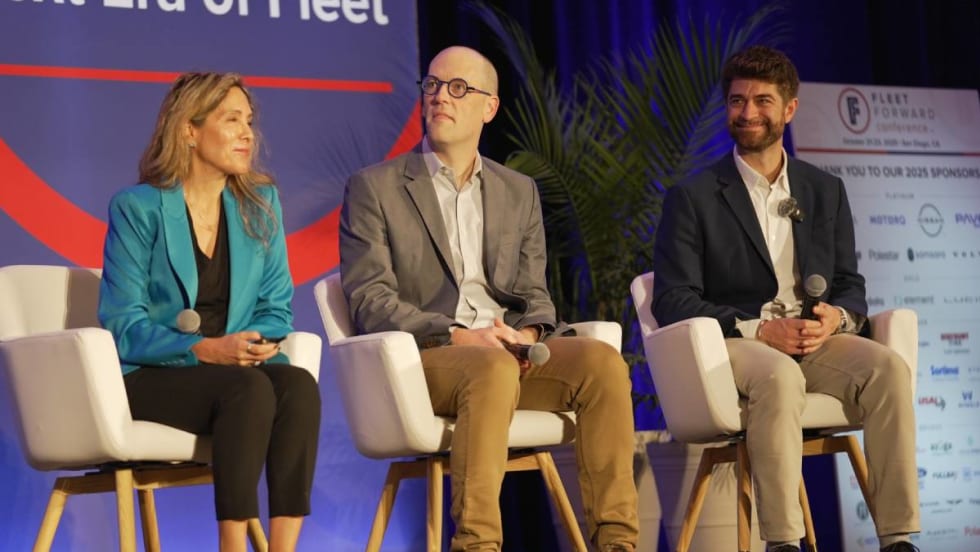
How Fleets Can Adjust Approaches To EV Adoption
With the expiration of federal incentives, EV success now hinges less on government policy and more on discounts, battery tech progress, increased range, and broader infrastructure.
Read More →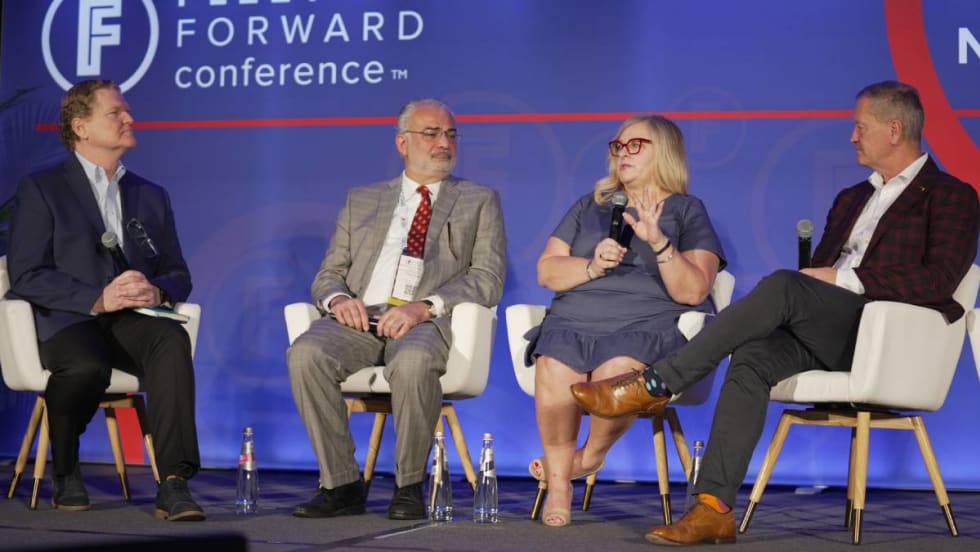
Despite World Troubles, Forward Thinking Guides Fleets
Fleet operators shared their challenges during an annual conference that embraced the latest advances across all aspects of running private- and public-sector vehicles.
Read More →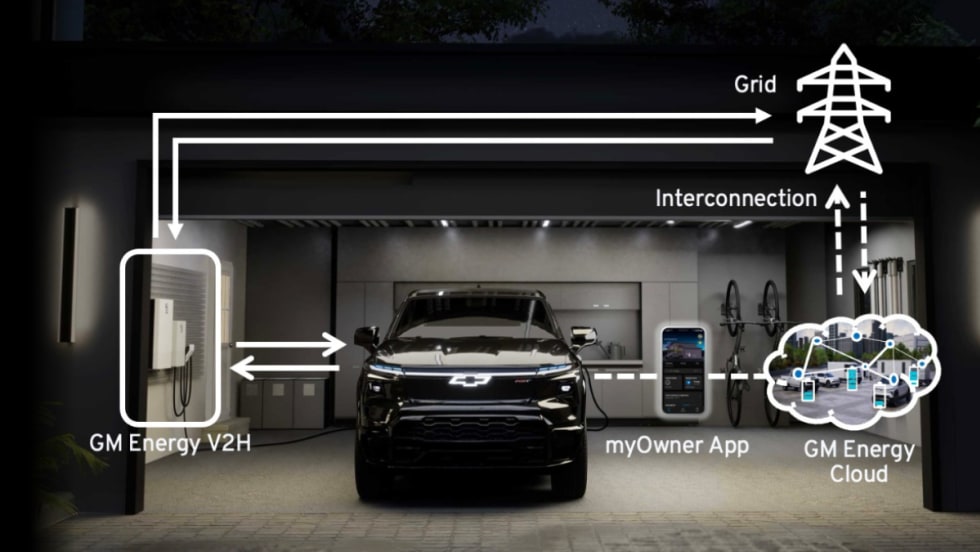
GM Energy Details Partnerships and Targets for Public Charging Build-Out
EVgo, Pilot, ChargePoint and IONNA named; goal is 35k GM-invested DC stalls by 2030, with customer-experience upgrades at sites.
Read More →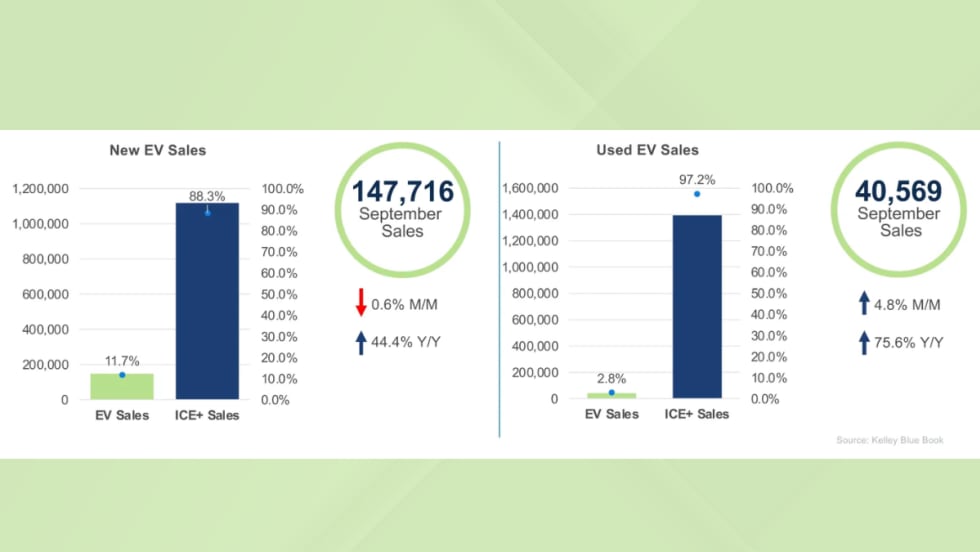
Q3 Electric Vehicles Sales Hit Record High
EV buyers took advantage of the final federal tax credit days, while average prices edged up for new EVs and continued to decline for used models.
Read More →