




Verizon Supports Texting While Driving Ban
NEW YORK - In addition to increasing the likelihood of collisions with other vehicles, Verizon said distracting driving activities such as text and e-mail can also result in minor vehicle damage and added expense.
NEW YORK - Verizon Wireless has declared its support of the legislation introduced July 29 in the U.S. Senate that would effectively ban texting and e-mailing while driving.
"This approach is a logical extension of our previous breaks with other wireless companies to support statewide legislation banning texting and e-mailing while driving," Verizon Wireless Vice President and General Counsel Steven Zipperstein said in a statement.
Verizon Wireless has been supporting statewide hands-free driving laws as early as 2000. Since then, Verizon Wireless said it has been the only wireless company supporting bans on texting and e-mailing while driving.
Dave Williams, Verizon's New York region manager fleet operations, told Automotive Fleet he is in full agreement with the company's position to ban texting and e-mailing while driving, especially because of the associated maintenance expense.
"Obviously, a vehicle accident with another vehicle is a major concern, but what is not being considered are the near-misses that occur as well as hitting objects in the road [as a result of driving distraction]," Williams explained.
Potholes, striking the curb, striking objects in the street, going off the road, etc. all contribute to damage to the front-end components, possibly affecting the vehicle alignment, and causing premature tire wear and even damage to the tire itself.
"The more we can keep the driver focused on driving, the less it will cost to maintain the vehicle," said Williams.
Verizon Business was listed as one of the Top 10 Communication fleets in Automotive Fleet's 2009 Fact Book, based on size, with a reported 1,919 vehicles in its fleet operations.
Just this week, a texting tow truck driver collided with another vehicle - injuring two - before going through a fence, into a house, and finally landing in a pool.
More Safety
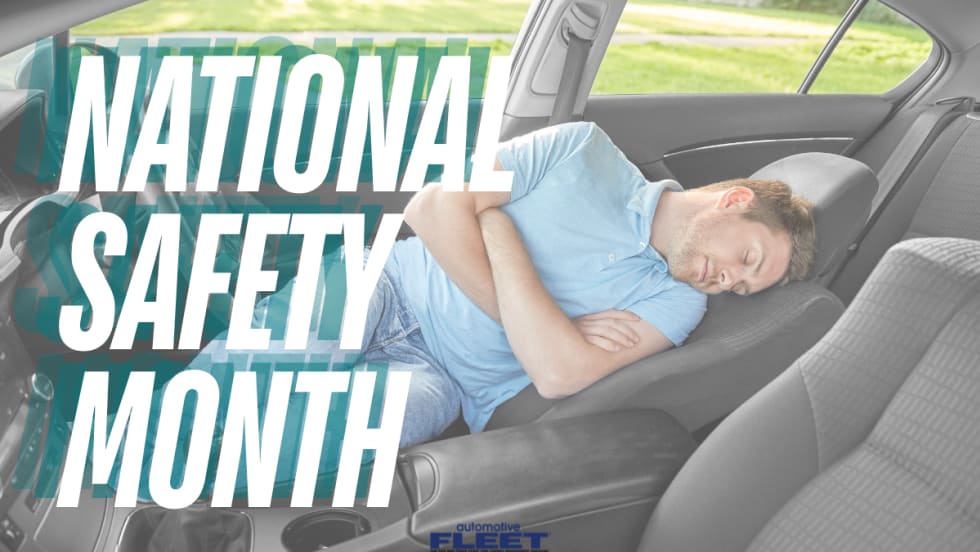
How Emotions Behind the Wheel Can Affect Fleet Safety
During National Safety Month, fleets are encouraged to look beyond distracted driving and recognize how stress, fatigue, and emotional well-being influence driver performance and crash risk.
Read More →
Nominations Open for 2026 Fleet Safety Award
Nominations have officially opened for the 2026 Fleet Safety Award Winner.
Read More →
Turning Connected Vehicle Data Into Decisions That Matter
Fleet leaders have more data than ever, but turning that data into clear, actionable decisions remains a challenge. This white paper shows how leading organizations are using connected vehicle data to improve safety, reduce costs, and optimize fleet performance. Learn how to turn insight into action across your fleet.
Read More →

Cameras, Safety and Insurance: From Reactive Claims to Real-time Prevention
Commercial auto remains one of the most challenging and costly lines of coverage for fleet operators and insurers alike. Learn more about how to effectively address these issues from Onur Aksan, Enterprise Business Development Executive, Geotab.
Read More →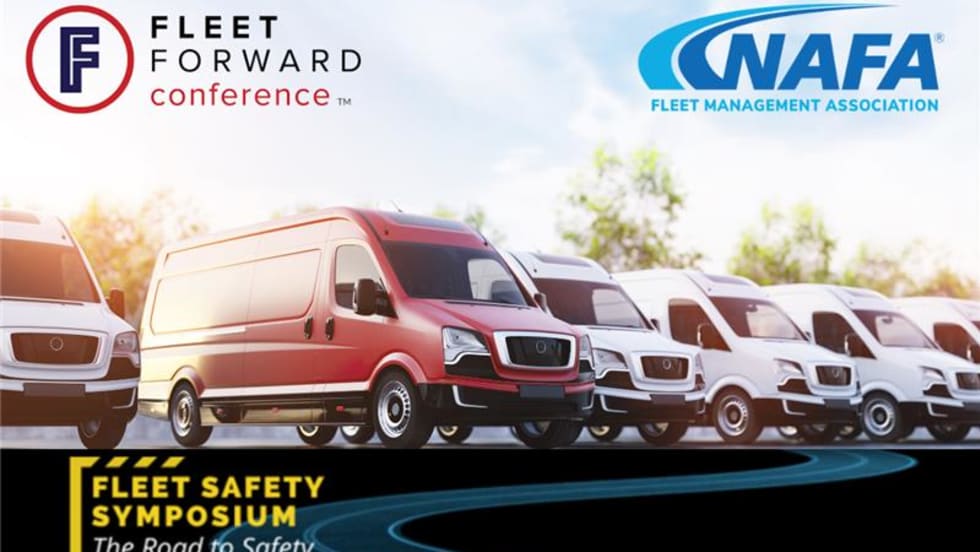
NAFA Fleet Safety Symposium to Collocate With 2026 Fleet Forward Conference
The daylong certificate program will precede the Fleet Forward Conference at the Gaylord National Harbor in Maryland.
Read More →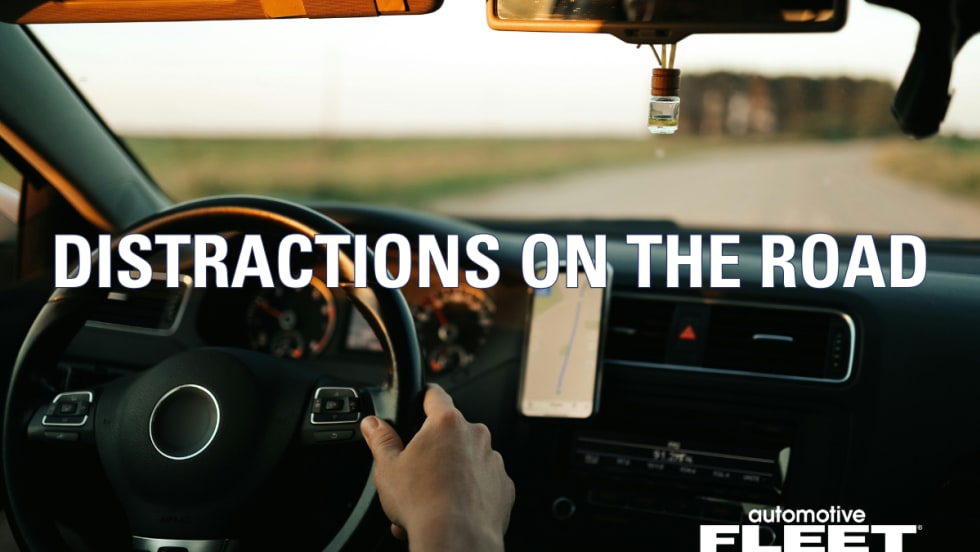
The Distractions You Can’t Turn Off: What Drivers Face Outside the Vehicle
Fleet drivers face constant visual, cognitive, and environmental interruptions the moment they hit the road. From roadside chaos to mental fatigue and digital overload, today’s biggest driving risks often come from outside the vehicle itself.
Read More →
FLASH Weather AI Launches First Deep-Learning Hail Prediction Model With High-Resolution Forecasting
FLASH Weather AI has launched a first-of-its-kind hail prediction model capable of forecasting hail size and arrival time at 1-kilometer resolution up to 55 minutes ahead, giving fleets and insurers critical time to prepare for severe storms.
Read More →
How Coca-Cola United Protects Its Fleet from Growing Legal Risk
As litigation risk rises, vehicles are increasingly targeted. This Coca-Cola bottler shares how it’s reducing exposure through driver training, technology, and a proactive risk management approach.
Read More →
How to Speak the Same Language on Fleet Safety
Drivers, supervisors, and data often speak different safety “languages.” Getting on the same page will drive better results.
Read More →
Fleet Cybersecurity 101: What You Need from Your Technology Vendors
From identity management to third-party certifications, the right technology partner should make security easier to manage. Here are the three building blocks that fleet managers need to stay in control as connected systems scale.
Read More →