




Connecticut Grants Awarded to Spur Biofuel Research
HARTFORD, CT --- Connecticut Gov. M. Jodi Rell announced that three Connecticut universities will share a total of more than $900,000 in grants to test biofuel quality and study different production methods and feedstocks.
HARTFORD, CT --- Connecticut Gov. M. Jodi Rell announced that three Connecticut universities will share a total of more than $900,000 in grants to test biofuel quality and study different production methods and feedstocks. In addition, a total of $2.2 million in grants to four biodiesel production facilities is expected to leverage at least $6 million in private investment.
"The Fuel Diversification Grant Program will help make it financially feasible for institutions to explore the use of sources such as agricultural products, algae and waste grease for energy production," Rell said. "The Production Facility Grant Program, which directly supports biodiesel production, is clear evidence of our commitment to this emerging industry sector."
The University of New Haven will receive $135,276 to identify species of algae from Long Island Sound that can be cultivated to produce biodiesel. Yale University will receive $69,752 to research algae feedstock growth optimization.
The University of Connecticut will receive two separate grants: One grant of $598,244 will be used to develop the capability for remote monitoring and to build a biodiesel testing laboratory. A $97,000 grant will be used to conduct research on catalysts for conversion of biomass into biofuel.
The Production Facility Grant Program recipients are:
-- Greenleaf Biofuels LLC ($1,281,322): Greenleaf Biofuels will be a biodiesel production plant in the New Haven Harbor area with an estimated capacity of 6.7 million gallons per year. Its primary markets will be heating oil and transportation fuel. Greenleaf Biofuels will use a diverse range of raw materials including waste and virgin vegetable oils. The grant will be used to help fund construction and equipment costs.
-- BioDiesel One Ltd ($83,566): BioDiesel One is a biodiesel production facility in Southington with an estimated production capacity of 3 million gallons per year. The biodiesel produced can be used as a fuel for the heating oil and transportation markets. BioDiesel One will have the capacity to process an array of feedstock ranging from soybean oil to waste vegetable oil. The company intends to use the grant to invest in further process automation and quality control equipment.
-- CT Biodiesel LLC ($350,000): CT Biodiesel LLC will be a 50-million- to 52-million-gallons-per-year biodiesel production facility in the New Haven Harbor area. The biodiesel produced can be used as heating oil, transportation fuel or electric generation fuel. CT Biodiesel will have the capacity to process an array of feedstock ranging from soybean oil to waste vegetable oil. The company intends to use the grant to fund the construction and equipment costs.
-- DBS Energy Inc. ($503,844): DBS Energy will be a biodiesel-to-electricity production facility in East Hartford. The facility will process waste and virgin vegetable oils into biodiesel for use in diesel generators for peak electricity demand. The facility will use technology developed at the University of Connecticut to process 250,000 gallons of biodiesel per year. Electricity generated at the facility falls in the category of Class I renewable energy. DBS intends to use the grant to fund construction and equipment costs.
"This is just one example of how economic development organizations are combining efforts to foster growth in the state's energy industries," said Joan McDonald, commissioner of the Department of Economic and Community Development (DECD). "DECD, along with the Connecticut Center for Advanced Technology (CCAT), is aggressively moving the state's energy policy forward today to meet the challenges of tomorrow."
Grants to the universities were awarded through the Fuel Diversification Grant Program, administered by CCAT and funded by DECD. The program supports research for the production of biofuels and biofuels quality testing. Connecticut colleges and universities and agricultural research institutions are eligible for the grants.
The aid to producers come from the Production Facility Grant Program, which offers grants to qualified biodiesel production facilities for purchasing equipment or constructing, modifying or retrofitting biodiesel production facilities. Grants are for 25 percent of the equipment or construction costs, up to a maximum of $3 million. The Production Facility Grant Program is also administered by CCAT and funded by DECD.
More Green Fleet

Turning Connected Vehicle Data Into Decisions That Matter
Fleet leaders have more data than ever, but turning that data into clear, actionable decisions remains a challenge. This white paper shows how leading organizations are using connected vehicle data to improve safety, reduce costs, and optimize fleet performance. Learn how to turn insight into action across your fleet.
Read More →
Are You Tracking Your Fleet's True Total Cost of Ownership?
Bobit Business Media surveyed 190 fleet professionals and found that while most fleets are tracking costs, fragmented systems and data gaps are keeping true TCO visibility out of reach. With rising pressure to control spend in an increasingly volatile environment, the gap between what fleets think they know and what the data actually shows is wider than you might expect. See how your peers are managing costs today and where the industry still has room to improve.
Read More →
Hybrids: Electrification Without the Challenges
For fleet managers, fuel is one of the biggest line items in the budget — and it's one hybrids can shrink without changing how your people work. Download the eBook to see the numbers, understand the technology, and get a step-by-step guide to making the switch.
Read More →
Startup ZMD Motors Developing Electric Conversion for Ram 5500 Work Trucks
Detroit-based company says it has begun early development of a system to convert internal combustion Ram 5500 chassis-cab trucks to electric power.
Read More →
U.S. EV Adoption Is Climbing, but Commercial and Passenger Markets Diverge
New industry group data revealed that light-duty electric vehicle sales are hitting record market share and volumes, while commercial EV volume dipped. What’s driving the fluctuations?
Read More →
How To Upfit Electric Work Trucks and Vans
The biggest challenge lies in balancing additional equipment and accessories with EV battery capacity and range.
Read More →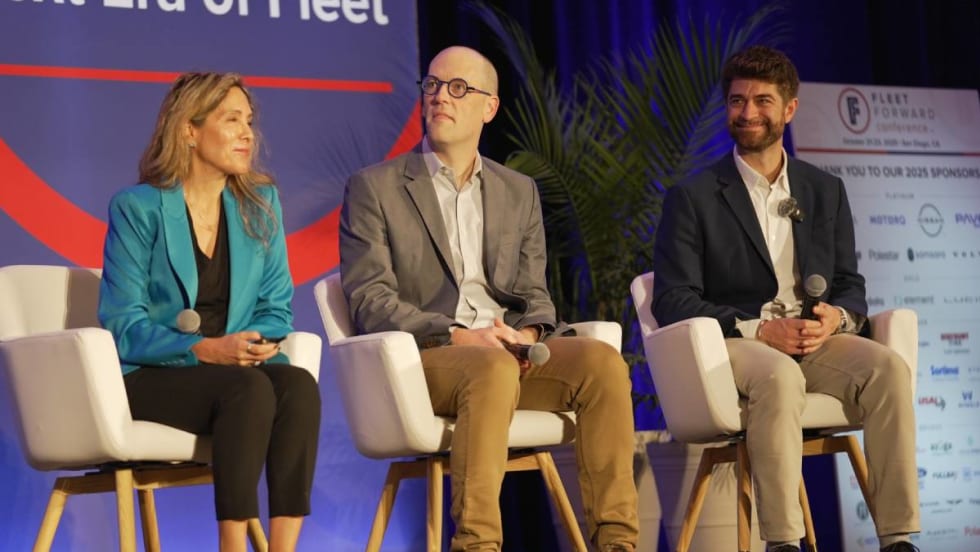
How Fleets Can Adjust Approaches To EV Adoption
With the expiration of federal incentives, EV success now hinges less on government policy and more on discounts, battery tech progress, increased range, and broader infrastructure.
Read More →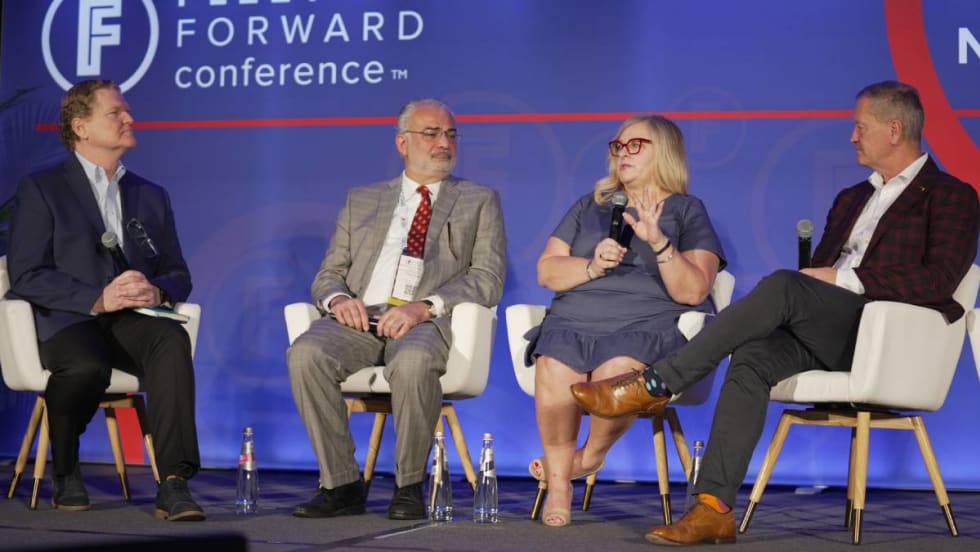
Despite World Troubles, Forward Thinking Guides Fleets
Fleet operators shared their challenges during an annual conference that embraced the latest advances across all aspects of running private- and public-sector vehicles.
Read More →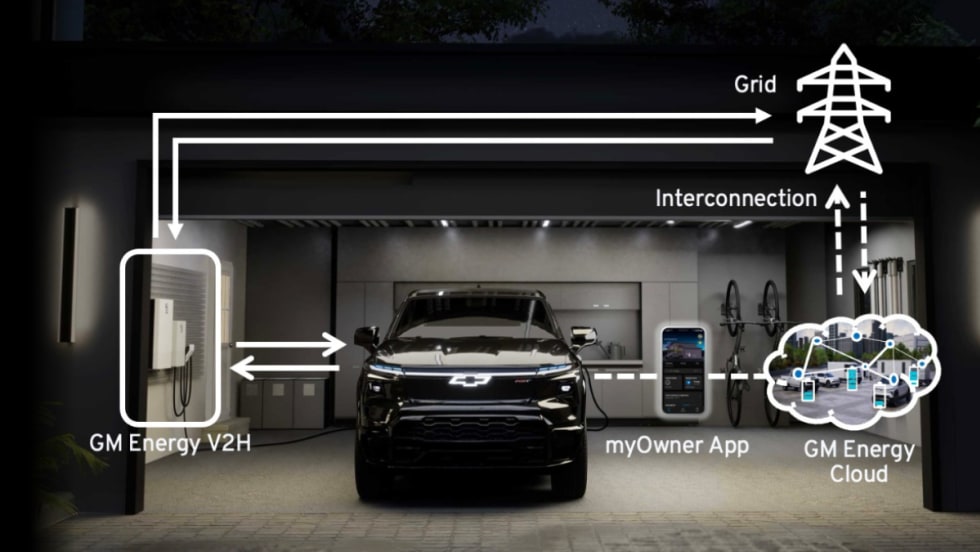
GM Energy Details Partnerships and Targets for Public Charging Build-Out
EVgo, Pilot, ChargePoint and IONNA named; goal is 35k GM-invested DC stalls by 2030, with customer-experience upgrades at sites.
Read More →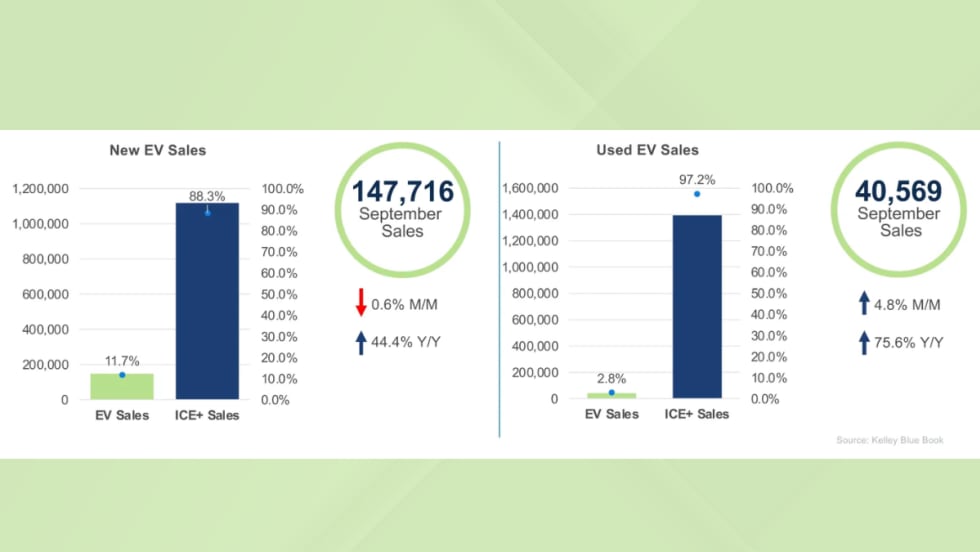
Q3 Electric Vehicles Sales Hit Record High
EV buyers took advantage of the final federal tax credit days, while average prices edged up for new EVs and continued to decline for used models.
Read More →