




Boston Fire Truck in Fatal Crash Had Wrong Brake Parts
BOSTON --- A police investigation of a fatal Boston fire truck crash has found that a Fire Department contractor installed the wrong parts on the ladder truck's brakes several months before the crash.
BOSTON --- A police investigation of a fatal Boston fire truck crash has found that a Fire Department contractor installed the wrong parts on the ladder truck's brakes several months before the crash. Moreover, the investigation found that firefighters who were not licensed mechanics repeatedly adjusted the brakes in violation of national safety guidelines, the Boston Globe reported.
The contractor replaced a brake chamber and brake pads on Ladder 26 with "unsuitable'' parts in spring 2008, which significantly compromised stopping power, according to a copy of the investigation report obtained by the Globe. When firefighters working on the truck later noticed the brakes not working properly, they made manual adjustments that may have masked underlying problems.
The 20-page report, prepared by Boston police homicide investigators, references guidelines issued in 2006 by the National Transportation Safety Board that said such adjustments are "a dangerous practice that can have serious consequences."
The diminished braking power contributed to the massive brake failure Jan. 9, when Ladder 26 barreled down a steep hill and slammed into an apartment building, killing Lieutenant Kevin M. Kelley, the report said.
[PAGEBREAK]
The report did not single out the faulty parts or the firefighter adjustments as primary causes of the crash. But they join an already long list of major errors that contributed to the fatal accident, the Globe reported. Last week, Suffolk District Attorney Daniel F. Conley said his investigation found that poor driver training and a lack of preventive maintenance were contributing factors.
The police report adds to the ongoing controversy about how vehicle maintenance is handled in the Boston Fire Department. The department drew criticism after the crash for using firefighters instead of licensed mechanics to work on trucks and check repairs performed by contractors. The department has since hired four licensed mechanics to oversee fleet maintenance and to help with repairs, but firefighters continue to do the bulk of the work, the Globe reported.
The report also contradicts the Fire Department's claims immediately after the crash that firefighters had not performed work on the brakes. This week, department spokesman Steve MacDonald said "further investigation revealed that was not the case.'' MacDonald also said the department plans to hire more mechanics to handle fleet maintenance work.
"In the meantime, any work that's done by firefighters is checked by the fleet safety manager, who is a licensed mechanic,'' MacDonald told the Globe.
The police report says that the Fire Department hired Damian Diesel Inc. to service Ladder 26 in early 2008, and Damian Diesel subcontracted the job to Woodward's Auto Spring Shop in Brockton. The shop told the police investigator that it had replaced brake shoes and pads on the ladder truck with "comparable'' parts in March 2008, the report says.
But an examination of the truck after the crash found the pads were "insufficient,'' providing less friction than required for the 22-ton truck. Moreover, according to the police report, a brake chamber was smaller than required. Smaller brake chambers provide less braking force.
When reached by the Globe on the phone, the manager of Woodward's Auto Spring Shop declined to comment on the police report's findings.
According to the report, Boston firefighters working in the department's vehicle maintenance division were changing a tire on the truck on May 16, 2008, when they decided to adjust the brakes. They noticed that the brakes were not working as forcefully as they should, so the firefighters manually tweaked automatic slack adjusters on both rear wheels until the brakes stopped the wheels from turning.
But, according to the report, the slack adjusters are designed to automatically adjust brake pressure as brake pads wear down. They should only be manually adjusted by qualified technicians when the part is first installed or when that is the only way to get the vehicle to a repair shop, according to NTSB guidelines. Those guidelines were also distributed in 2006 by the International Association of Fire Chiefs, which warned that manual adjustment outside those circumstances could have "deadly consequences."
Citing Fire Department fleet maintenance logs, the police report revealed that Boston firefighters and outside contractors performed the improper adjustments on the truck 10 times "despite clear and concise warnings to the contrary."
The Police Department's conclusions prompted federal officials to issue a rare safety bulletin in October warning fire departments nationwide once again about such practices, the Globe reported.
More Safety
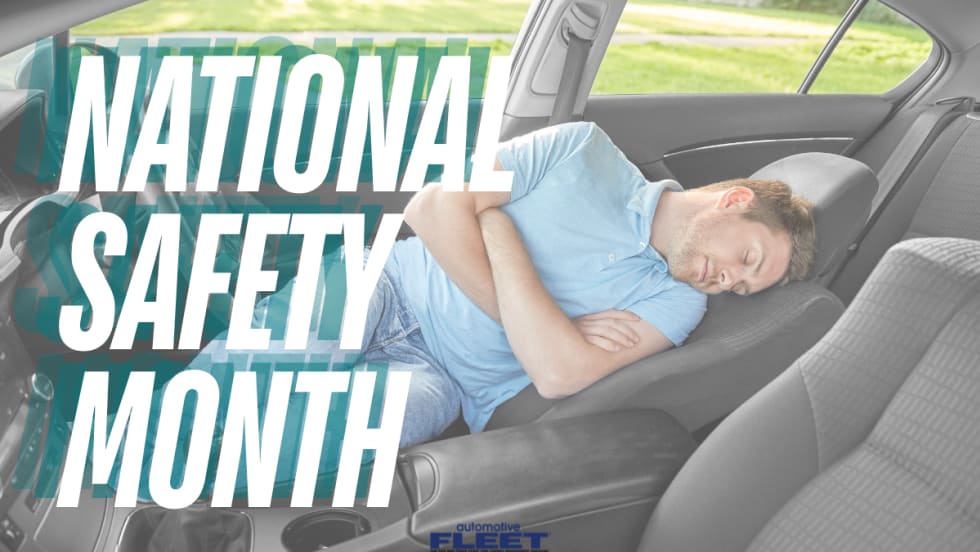
How Emotions Behind the Wheel Can Affect Fleet Safety
During National Safety Month, fleets are encouraged to look beyond distracted driving and recognize how stress, fatigue, and emotional well-being influence driver performance and crash risk.
Read More →
Nominations Open for 2026 Fleet Safety Award
Nominations have officially opened for the 2026 Fleet Safety Award Winner.
Read More →
Turning Connected Vehicle Data Into Decisions That Matter
Fleet leaders have more data than ever, but turning that data into clear, actionable decisions remains a challenge. This white paper shows how leading organizations are using connected vehicle data to improve safety, reduce costs, and optimize fleet performance. Learn how to turn insight into action across your fleet.
Read More →

Cameras, Safety and Insurance: From Reactive Claims to Real-time Prevention
Commercial auto remains one of the most challenging and costly lines of coverage for fleet operators and insurers alike. Learn more about how to effectively address these issues from Onur Aksan, Enterprise Business Development Executive, Geotab.
Read More →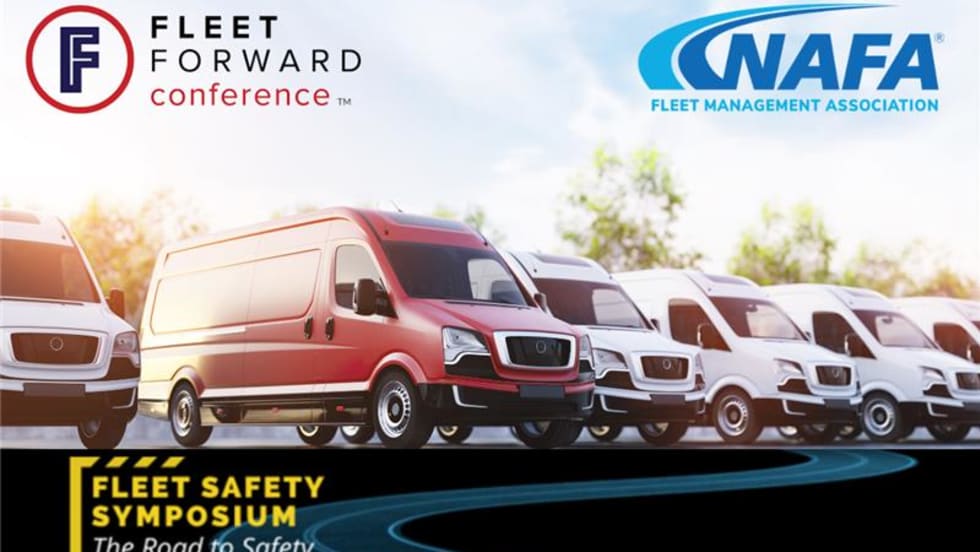
NAFA Fleet Safety Symposium to Collocate With 2026 Fleet Forward Conference
The daylong certificate program will precede the Fleet Forward Conference at the Gaylord National Harbor in Maryland.
Read More →
The Distractions You Can’t Turn Off: What Drivers Face Outside the Vehicle
Fleet drivers face constant visual, cognitive, and environmental interruptions the moment they hit the road. From roadside chaos to mental fatigue and digital overload, today’s biggest driving risks often come from outside the vehicle itself.
Read More →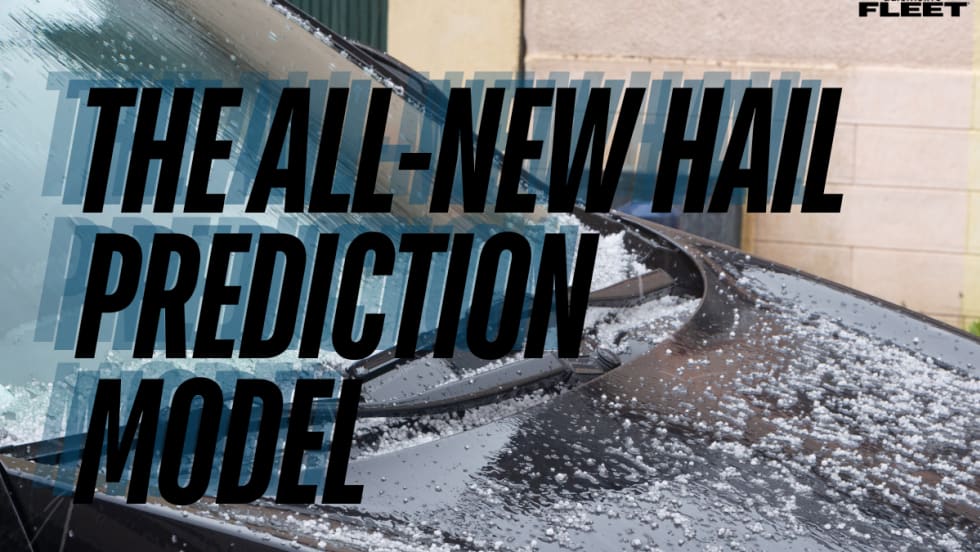
FLASH Weather AI Launches First Deep-Learning Hail Prediction Model With High-Resolution Forecasting
FLASH Weather AI has launched a first-of-its-kind hail prediction model capable of forecasting hail size and arrival time at 1-kilometer resolution up to 55 minutes ahead, giving fleets and insurers critical time to prepare for severe storms.
Read More →
How Coca-Cola United Protects Its Fleet from Growing Legal Risk
As litigation risk rises, vehicles are increasingly targeted. This Coca-Cola bottler shares how it’s reducing exposure through driver training, technology, and a proactive risk management approach.
Read More →
How to Speak the Same Language on Fleet Safety
Drivers, supervisors, and data often speak different safety “languages.” Getting on the same page will drive better results.
Read More →
Fleet Cybersecurity 101: What You Need from Your Technology Vendors
From identity management to third-party certifications, the right technology partner should make security easier to manage. Here are the three building blocks that fleet managers need to stay in control as connected systems scale.
Read More →