




PHH Arval Conference Brings Together Energy Industy Fleets
The outlook for energy fleets moving into 2012 is positive, with signs of growth on the horizon. Distracted driving, the No.1 cause of work-related deaths, is still a top concern for these fleets.

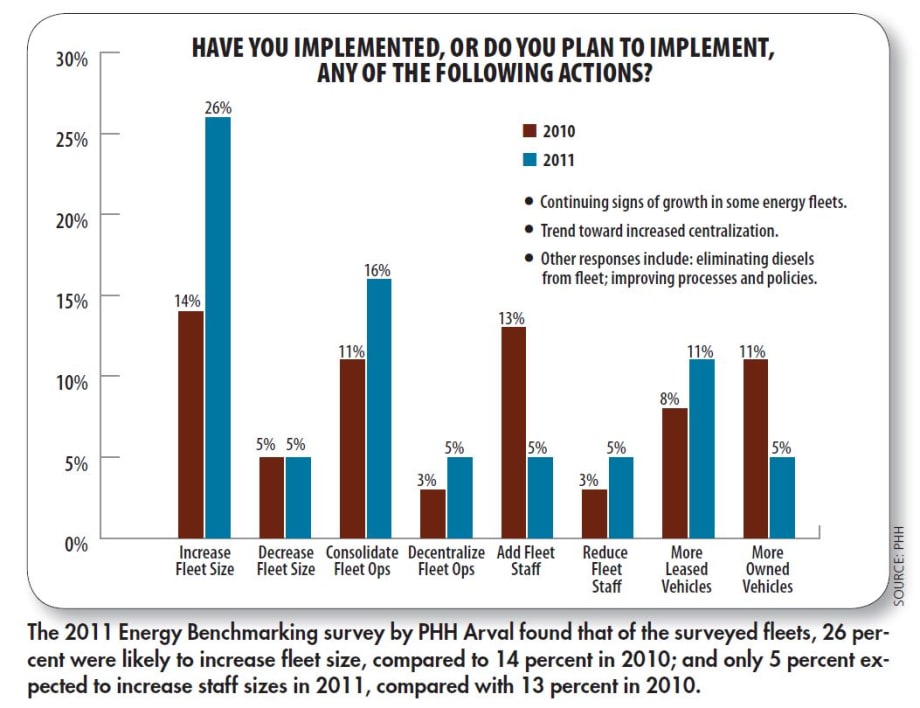
PHH Arval held its 19th annual Energy Conference Nov. 10, 2011, at the Renaissance Hotel in Houston, which is designed to bring together fleet professionals in the energy industry to address common concerns, goals, and improve business.
The conference opened with a keynote speech from George Kilroy, president and CEO of PHH Arval, who discussed how the company is committed to adding resources for its customers, and described how the heavy-truck business doubled over the last year at PHH FirstFleet.
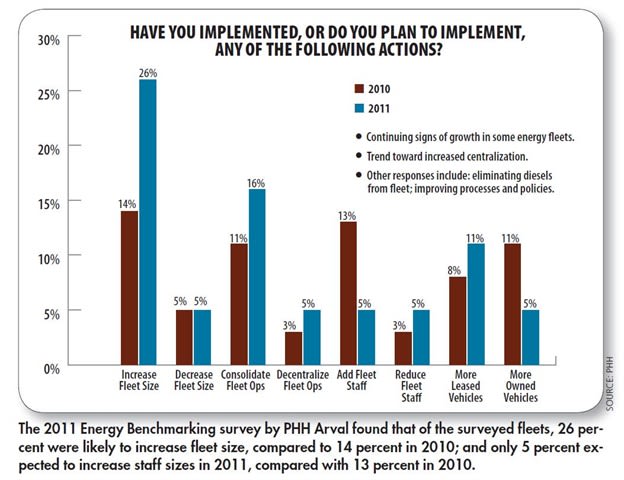
Dina Waldman, senior business consultant for PHH Arval, spent time reviewing the recent results for the 2011 Energy Benchmarking Survey, which was broken down into questions focusing on economic impact as well as traditional policy questions.
Some of the key survey observations shared with the group included a significant improvement since the economic uncertainty of 2009.
According to the survey results, respondents experienced a return to “normal” for fleet spending in 2010 with dramatic improvements in 2011. There was also a sustained shift toward consolidating and centralizing fleet management, with data management and reporting concerns topping the list of priorities. Energy fleets are also seeing continuing signs of growth and a trend toward increased centralization, based on survey results.
Breakout sessions, covering alternative fuels, data management and reporting, and reducing fleet maintenance costs, were held throughout the afternoon, providing attendees the opportunity to participate in each session in a smaller, working group.
The event ended with a keynote address from Michael Riemer, co-founder and chief product officer for ZoomSafer, entitled, “Cell Phones and Driver Safety — Within Our Reach.”
Riemer discussed how distracted driving has become a company’s “worst nightmare,” and described the three main types of driver distractions: visual, physical, and cognitive, as well as identified the severity of this issue. He recommended fleets create a solid foundation for cell phone policies, and align such policies with organizational needs.
According to Reimer, an effective cell phone policy should contain a mission statement, definition of prohibited behaviors, employee/driver acknowledgement, and enforcement/discipline guidance and reward opportunities.
More Safety
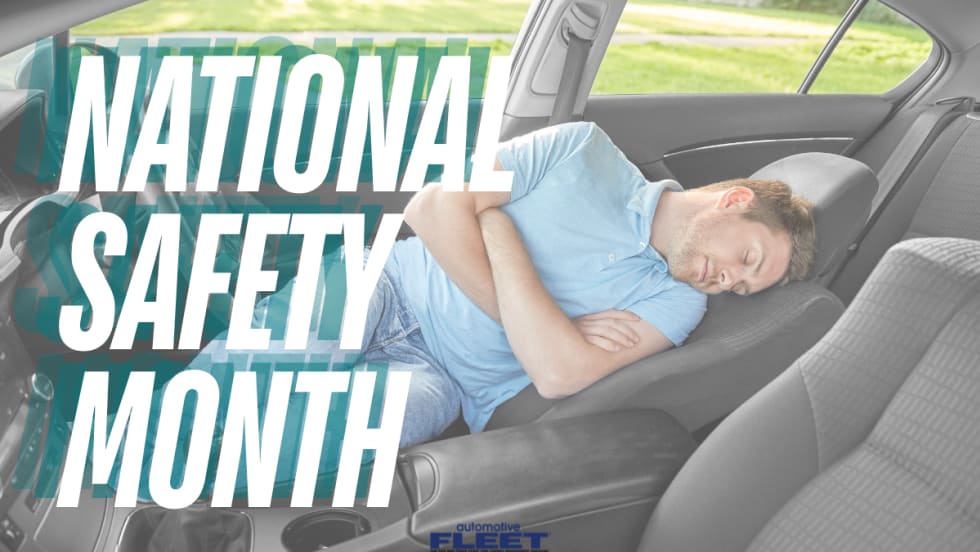
How Emotions Behind the Wheel Can Affect Fleet Safety
During National Safety Month, fleets are encouraged to look beyond distracted driving and recognize how stress, fatigue, and emotional well-being influence driver performance and crash risk.
Read More →
Nominations Open for 2026 Fleet Safety Award
Nominations have officially opened for the 2026 Fleet Safety Award Winner.
Read More →
Turning Connected Vehicle Data Into Decisions That Matter
Fleet leaders have more data than ever, but turning that data into clear, actionable decisions remains a challenge. This white paper shows how leading organizations are using connected vehicle data to improve safety, reduce costs, and optimize fleet performance. Learn how to turn insight into action across your fleet.
Read More →

Cameras, Safety and Insurance: From Reactive Claims to Real-time Prevention
Commercial auto remains one of the most challenging and costly lines of coverage for fleet operators and insurers alike. Learn more about how to effectively address these issues from Onur Aksan, Enterprise Business Development Executive, Geotab.
Read More →
NAFA Fleet Safety Symposium to Collocate With 2026 Fleet Forward Conference
The daylong certificate program will precede the Fleet Forward Conference at the Gaylord National Harbor in Maryland.
Read More →
The Distractions You Can’t Turn Off: What Drivers Face Outside the Vehicle
Fleet drivers face constant visual, cognitive, and environmental interruptions the moment they hit the road. From roadside chaos to mental fatigue and digital overload, today’s biggest driving risks often come from outside the vehicle itself.
Read More →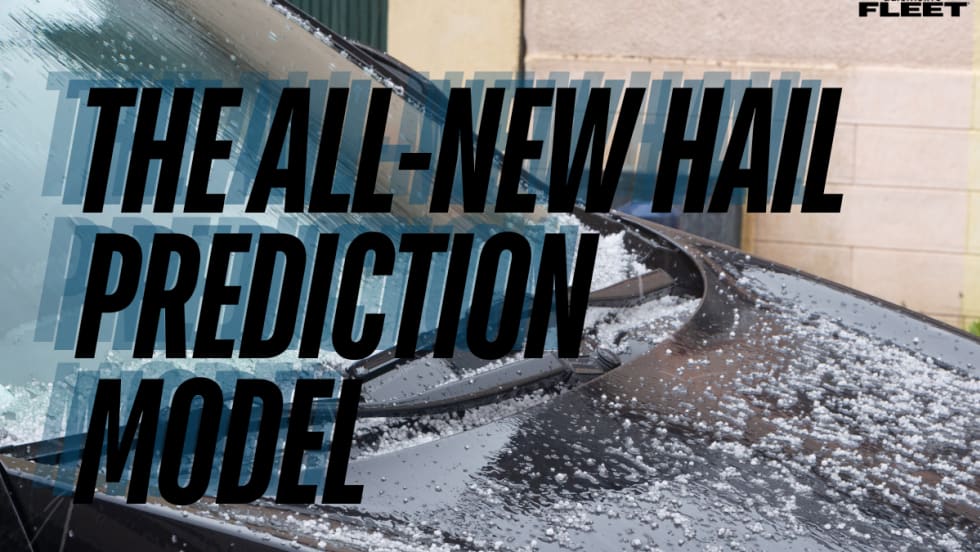
FLASH Weather AI Launches First Deep-Learning Hail Prediction Model With High-Resolution Forecasting
FLASH Weather AI has launched a first-of-its-kind hail prediction model capable of forecasting hail size and arrival time at 1-kilometer resolution up to 55 minutes ahead, giving fleets and insurers critical time to prepare for severe storms.
Read More →
How Coca-Cola United Protects Its Fleet from Growing Legal Risk
As litigation risk rises, vehicles are increasingly targeted. This Coca-Cola bottler shares how it’s reducing exposure through driver training, technology, and a proactive risk management approach.
Read More →
How to Speak the Same Language on Fleet Safety
Drivers, supervisors, and data often speak different safety “languages.” Getting on the same page will drive better results.
Read More →
Fleet Cybersecurity 101: What You Need from Your Technology Vendors
From identity management to third-party certifications, the right technology partner should make security easier to manage. Here are the three building blocks that fleet managers need to stay in control as connected systems scale.
Read More →