




Texting While Driving: A Deadly Combination
U.S. drivers are witnessing the gruesome results that can occur as a result of texting while driving, and fleet drivers are no exception. Fleet managers can avoid a potential tragedy by immediately banning texting while driving.
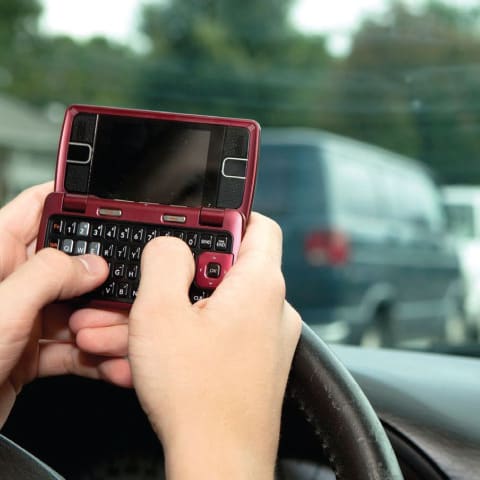
(c)iStockphoto.com/jabejon
It should go without saying, texting while driving can be a lethal combination because it requires drivers to look down at their phones rather than the road ahead. A relatively new phenomenon, texting is as dangerous as driving drunk, perhaps even more so.
According to a recent Car and Driver study, drivers who text while operating a vehicle are 3-4 times slower than drunk drivers in applying brakes to avoid collisions. Although many states have already or will employ some form of texting ban by 2010, such legislation has been slow to catch on because oftentimes it takes a tragedy before lawmakers react.
Establish Best Practices
The goal of every fleet manager is to run the company fleet in the safest, most cost-effective way possible, which means controlling expenses from company vehicle repair and liability claims due to driver negligence.
To establish that control, fleet managers should apply a best-practices safety and risk management policy to each driver, running a motor vehicle record (MVR) check and evaluating accident data before determining driver eligibility for a company vehicle, according to Bob Martines, president and CEO of Corporate Claims Management Inc. (CCM), a fleet management company specializing in accident management, subrogation, and safety training based in Ivyland, Pa.
"Our role is to educate our clients and help them recognize a potential problem individual. Fleet managers should ensure drivers know the obligation to their company and be aware of the 'what-ifs,' including lawsuits and injuries," Martines cautions.
Catching Up with Technology
Martines believes driving while texting is at least twice as dangerous as drunk driving because drivers are so distracted, they're not watching the road ahead. He doesn't allow his salespeople to use cell phones while driving on company time.
According to the Insurance Institute for Highway Safety (IIHS), by January 2010, 28 states will have prohibited, in some form, text messaging while driving. Texting is significantly more prevalent now than even a year ago, one factor in why bans have been slow to catch on.
Now, however, companies are becoming painfully aware of the consequences of driver texting habits.
Last year in New York State, a fatal accident involved a group of high school students on their way to a dance. The driver was texting, which led to a head-on collision with a truck, killing everyone in the vehicle. It took a tragedy such as this before the state reacted and passed a texting while driving ban, according to Martines. Some companies actively back legislation. Ford Motor Co. endorses a U.S. Senate bill to ban handheld text messaging while driving.
"I believe in the next six months to a year, texting laws will be mandated across the board," Martines predicts. "Laws aren't quick enough to keep up with technology. Once there is a loss of life, people get injured, or companies get sued for millions of dollars, that's when people tend to react."
[PAGEBREAK]
Employ Harsher Penalties
Martines doesn't believe issuing a fine to offenders will help solve the texting problem, but employing penalties similar to drunk driving and including jail time may help prevent this problem from becoming epidemic.
To ensure drivers comply with the company's safety regulations, some fleet managers utilize incentive-based programs, awarding drivers credit for completing ongoing training and time served without an infraction.
Such measures, according to Martines, have led to a decrease in accidents and reductions in paid-out liability claims because drivers understand they must adopt better driving habits.
In an accident in which injury or death results from the other driver's negligence, that driver can be held accountable. An incident in Pennsylvania involved a truck driver using his cell phone and texting on another phone. Thus distracted, he ran off the road and through a fence, stopping about five feet shy of a backyard pool where children were playing. The driver was arrested on the spot, Martines recalls.
"If he had killed somebody, he most likely would have been brought up on manslaughter charges. Review all the frivolous lawsuits over the years, including people who have sued McDonald's for hot coffee," Martines suggests. "Risk to a company is magnified significantly when someone drives a company vehicle while using a cell phone. I tell my employees, 'If you are on your cell phone while driving on company business, that will be your last function as our company employee. You will be terminated immediately.' " He also urges employees not to use a cell phone while driving at any time.
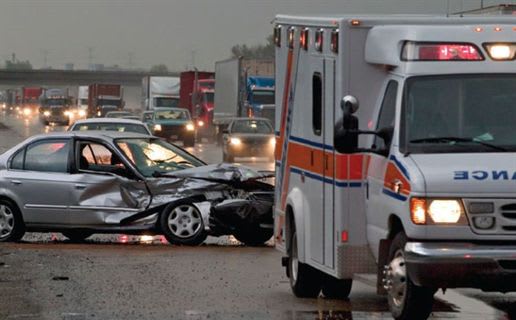
Too Many Distractions
Many factors come into play while driving a vehicle, including dealing with "road ragers" and millions of drivers pressed to get from Point A to Point B. The more distractions put in front of drivers, the more likely they will be involved in an accident.
More Safety

Nexar-Nauto Merger Aims to Give Fleets Better Safety Intelligence Through Larger Driving Dataset
Stefan Heck tells Automotive Fleet that combining more than 10 billion miles of driving history with Nexar's AI models will give fleets deeper insights into driver risk and roadway conditions than either company could provide independently.
Read More →
Don't Wait for a Crisis: 5 Ways to Build Mental Health Into Your Fleet Safety Program
For Suicide Prevention Month, fleet and safety leaders have an opportunity to put mental health where it belongs: at the center of workplace safety.
Read More →
How Camera Data Can Strengthen a Fleet’s Insurance Renewal
Insights from a commercial insurance carrier and a broker show how fleets can turn video telematic data, driver coaching, and improved claims results into a stronger case at insurance renewal.
Read More →
The Safest Fleets Aren’t the Ones with the Most Technology
You’ve made the telematics investment. Here’s how to capture the other half of its value and build the safest fleet on the road.
Read More →
Hidden in Plain Sight: Fleet Compliance Risks
Fleet compliance isn't just about having policies — it's about consistently enforcing them. This practical guide reveals six hidden compliance risks common in public sector and shared fleet operations and outlines proven strategies to improve visibility, accountability, and audit readiness
Read More →
NETS Sets 2026 Fleet Safety Benchmark Conference for Indianapolis
The Sept. 15–17 program will feature fleet benchmarking data, case studies, emerging technologies, and implementation strategies while running alongside the NSC Safety Congress & Expo.
Read More →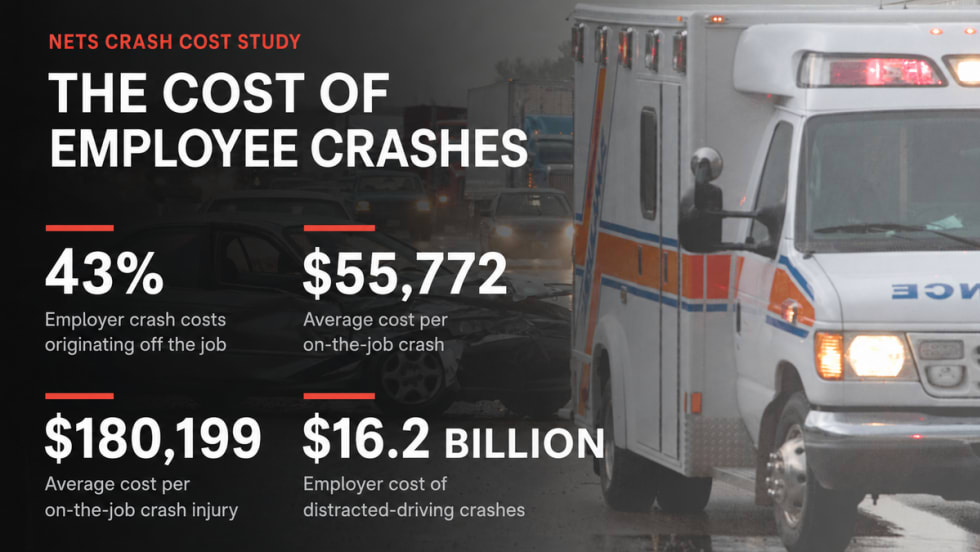
Off-the-Job Crashes Account for 43% of Employers’ $61.7 Billion Crash Burden
NETS quantifies costs dispersed across fleet, risk, HR, and other departments while providing new per-crash benchmarks for employers.
Read More →
Ram Recalls More Than 1.27 Million 1500 Pickups for Seat Belt Anchor Issue
The recall affects certain 2019-2026 Ram 1500 pickups that may have improperly attached second-row seat belt buckle anchors.
Read More →
How Better Visibility Cut Speeding Violations by 48%
Fleet leaders don't need more data, they need clearer visibility into what the data is saying. This case study explores how one utility replaced speeding-event counts with a single metric — miles driven in violation — to strengthen safety and significantly reduce speeding violations.
Read More →
Operation Safe Driver Week: Why the Industry's Oldest Safety Campaign Still Matters to Fleets
A look at how a 2007 enforcement initiative became one of the most consequential weeks on the fleet safety calendar, and what it means for your drivers in 2026.
Read More →