




Chrysler Reveals All-New Electric Minivan Concepts to USPS
WASHINGTON – Chrysler revealed four all-electric Chrysler Town & Country minivan concepts to the U.S. Postal Service as part of the USPS Earth Day celebration on April 22.
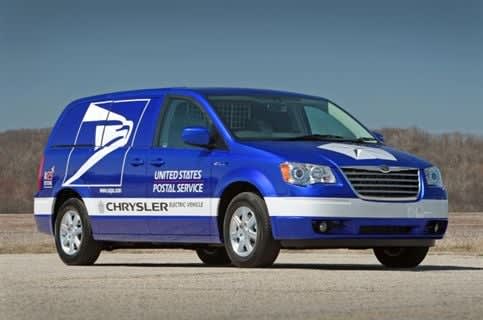
WASHINGTON – Chrysler revealed four all-electric Chrysler Town & Country minivan concepts to the U.S. Postal Service (USPS) as part of the USPS Earth Day celebration on April 22. USPS has a stated goal of reducing energy use 30 percent by 2015.
The electric Chrysler Town & Country is the automaker's first product from its ENVI electric vehicle division intended for production as a fleet vehicle, according to the Detroit News.
Chrysler will build about 24 more vehicles for the USPS to use and Chrysler to evaluate, while applying for a government grant to expand the demonstration fleet to 250 vehicles, or 50 allocated to each of the country's five postal regions, said Lou Rhodes, vice president of advanced vehicle engineering and president of ENVI, as reported by the Detroit News.
In conjunction with the USPS and select energy service providers, the automaker intends to apply for the U.S. Department of Energy's (DOE) Transportation Electrification stimulus program for a federal grant, which would enable it to establish a nationwide demonstration fleet of zero-emission electric minivans that could be used by the U.S. Postal Service for mail delivery.
"Our ENVI electric minivan concepts illustrate Chrysler's innovation with electric vehicle technology and show what the future could hold," said Frank Klegon, executive vice president - product development, Chrysler LLC. Chrysler's ENVI group leveraged the flexibility of its electric-vehicle strategy to demonstrate an all-electric version of its best-selling minivan. These electric minivan concepts are targeted specifically for use by the U.S. Postal Service for mail delivery.
"We continue to look for energy-efficient replacement vehicles for our aging fleet as we explore ways to reduce our transportation-related carbon emissions," said Sam Pulcrano, vice president - sustainability, U.S. Postal Service.
"Chrysler and the Postal Service have an established relationship, as there are more than 10,000 of our minivans in the Postal Service fleet," said Rhodes. "The Postal Service is a recognized environmental innovator and leader, and we are excited at the prospect of continuing our relationship by working to deliver alternative energy postal delivery vehicles in the future."
Because robust grid integration is essential for widespread customer acceptance of electric vehicles, Chrysler has enlisted the involvement of key utility partners, including Duke, ConEd, and DTE. Each has signed a letter of intent (LOI) with Chrysler to equip post offices in strategically selected regions of the United States with a charging infrastructure for the envisioned program. The Electric Power Research Institute (EPRI) also has signed an LOI to provide USPS integration tools.
More Green Fleet
EV Charging Use Is Outpacing Infrastructure Growth
ChargePoint’s 2026 Charging Forward Report points to rising charger use, higher-powered charging, commercial vehicle electrification, and energy-management technology. Here’s what fleets should know.
Read More →
Merchants Fleet Reports 290M EV Miles as Fleets Navigate Changing Electrification Market
From millions in operating savings to hundreds of millions of EV miles, Merchants Fleet’s latest report reveals what’s working and what’s changing in fleet electrification.
Read More →
The EV Breakdown Nobody's Talking About: Why Most Electric Vehicle Roadside Calls Aren't Mechanical Failures
Here's why EV breakdowns are widely misunderstood.
Read More →
ChargePoint Now Available in Energy Pass
ChargePoint and additional planned charging network integrations were added to GM's Energy Pass.
Read More →

First Look: Slate Auto's Electric Fleet Pickup
Could an affordable, modular EV pickup make electrification more practical for fleets?
Read More →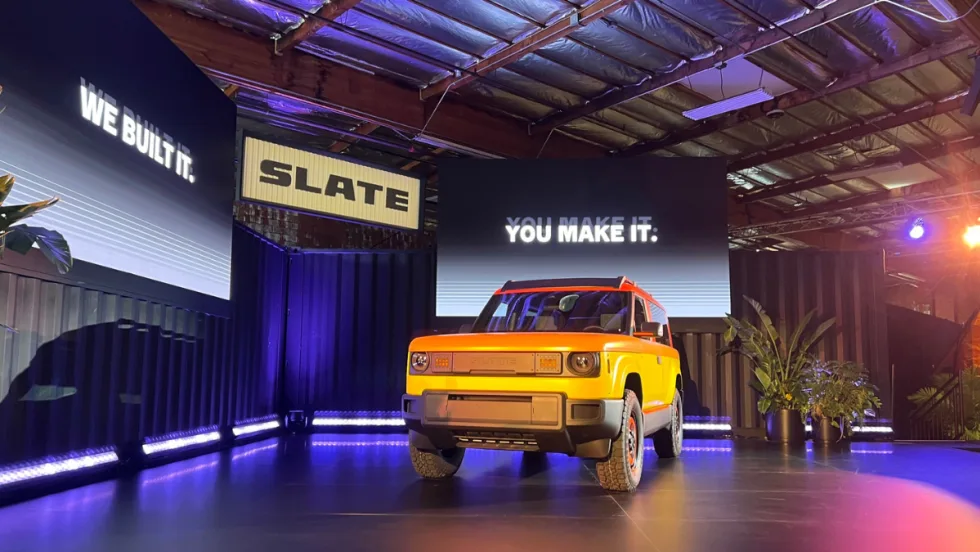
Slate Debuts Colorful, Unique EV Models
A recent media and client event, studded with electric vehicles dressed up on platforms, planted a new position for the manufacturer in the wider EV market. Fleets will find cost-saving advantages.
Read More →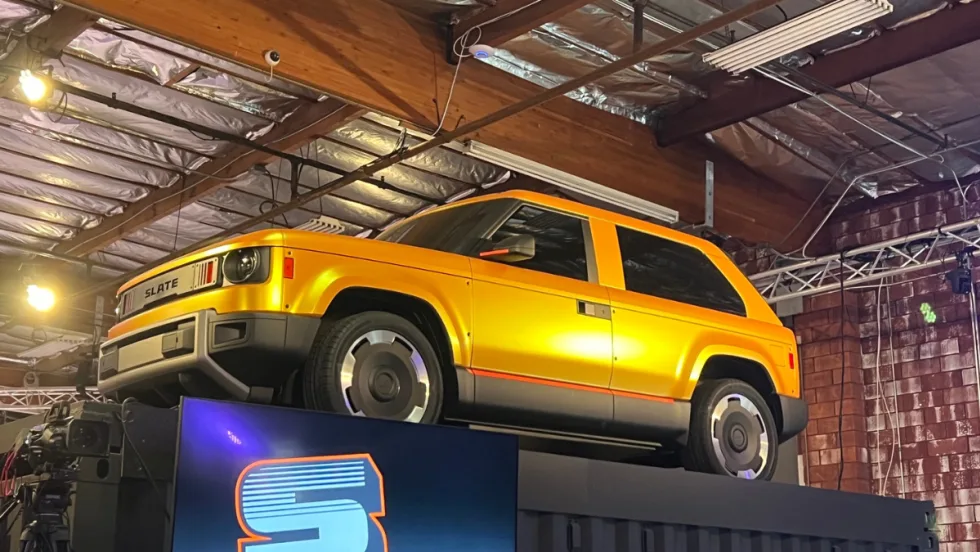
Slate Electric SUV, Pickup Switchable Model Aims For Light-Duty Fleets
Everything about this EV is counterintuitive and understated, making it stand out from the crowd.
Read More →
Inspiration Mobility Acquires Key Electrada Assets
Inspiration Mobility Group has acquired select assets of Electrada, adding the fleet electrification provider's team, technology, and charging infrastructure development capabilities to its energy management business.
Read More →
Turning Connected Vehicle Data Into Decisions That Matter
Fleet leaders have more data than ever, but turning that data into clear, actionable decisions remains a challenge. This white paper shows how leading organizations are using connected vehicle data to improve safety, reduce costs, and optimize fleet performance. Learn how to turn insight into action across your fleet.
Read More →