




Sears Begins Converting Cargo Vans to Propane Autogas
FEDERAL WAY, WA – Sears Holdings plans to deploy 27 new Roush CleanTech Ford E-250 cargo vans fueled by propane autogas in its Sears Home Service (SHS) fleet in the Seattle area for in-home service and repair visits.
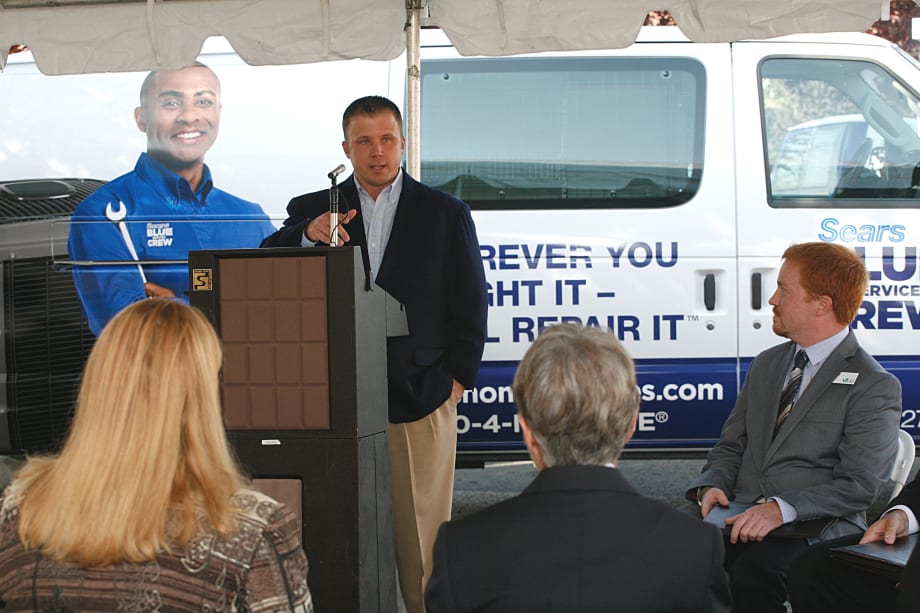
Todd Mouw, vice president of sales & marketing for ROUSH CleanTech speaks at the podium; Scott DeWees, project manager for Western Washington Clean Cities Coalition, is to the right.
Todd Mouw, vice president of sales & marketing for ROUSH CleanTech speaks at the podium; Scott DeWees, project manager for Western Washington Clean Cities Coalition, is to the right.
FEDERAL WAY, WA – Sears Holdings plans to deploy 27 new Roush CleanTech Ford E-250 cargo vans fueled by propane autogas in its Sears Home Service (SHS) fleet in the Seattle area for in-home service and repair visits.
The company’s Stu Reed, Sears Holdings senior vice president and president, Sears Home Services, said this deployment is to determine whether the company can scale this alternative-fuel vehicle rollout to its entire fleet of 10,000 Home Service vans.
“Propane autogas has proven safe, reliable and environmentally friendly, and we look forward to putting this fuel to work in our fleet,” said Stu Reed, Sears Holdings senior vice president and president, Sears Home Services. “The conversion of 27 of our product repair vans to propane autogas is one of several initiatives we have underway to improve the efficiency of our fleet of 10,000 Home Services vans. If we get the type of efficiencies we expect by converting these vans to Roush CleanTech propane autogas we could scale this to all 10,000 service vans. Other environmental steps SHS has taken include: a ‘no idling’ policy and installing ‘economizer’ devices on 4,800 of our service vans to ensure our technicians drive at speeds that optimize fuel efficiency.”
Roush reported that dignitaries and legislators from Washington state, including State Representative Katrina Asay and Federal Way City Councilmembers Dini Duclos and Linda Kochmar, recognized Sears Holdings’ environmental commitment during the official unveiling ceremony.
Beyond purchasing the new vehicles, Roush added that Ferrellgas installed three 1,000-gallon refueling stations at two of Sears’ full-line store parking lots and at one parts and repair facility in Seattle, Federal Way, and Lacey at no cost as part of this program.
This program is part of Sears’ sustainability efforts, as it won the Environmental Protection Agency’s highest honor, the "Corporate Commitment Award" for World-Class Programs in Energy Management and Product Retailing. Sears’ other strategic efforts include a continuous focus on reducing greenhouse gas emissions, lessening waste generation while maximizing diversion from landfills, and optimizing energy reduction efforts across its entire network.
Roush noted the benefits of fueling with propane autogas, including reductions in exhaust emissions with up to 25% less greenhouse gases, 20% less nitrogen oxide and up to 60% less carbon monoxide than gasoline-powered vehicles. The company added that historically, propane autogas costs 30% to 40% less per gallon than gasoline and up to 50% less than diesel.
More Green Fleet
New Propane Autogas Program Offers Fleet Compensation
Qualified commercial fleets can receive $7,500 per eligible propane autogas vehicle and up to $10,000 for new refueling site prep. Learn how the program works and see whether your fleet qualifies.
Read More →
EV Charging Use Is Outpacing Infrastructure Growth
ChargePoint’s 2026 Charging Forward Report points to rising charger use, higher-powered charging, commercial vehicle electrification, and energy-management technology. Here’s what fleets should know.
Read More →
Merchants Fleet Reports 290M EV Miles as Fleets Navigate Changing Electrification Market
From millions in operating savings to hundreds of millions of EV miles, Merchants Fleet’s latest report reveals what’s working and what’s changing in fleet electrification.
Read More →

The EV Breakdown Nobody's Talking About: Why Most Electric Vehicle Roadside Calls Aren't Mechanical Failures
Here's why EV breakdowns are widely misunderstood.
Read More →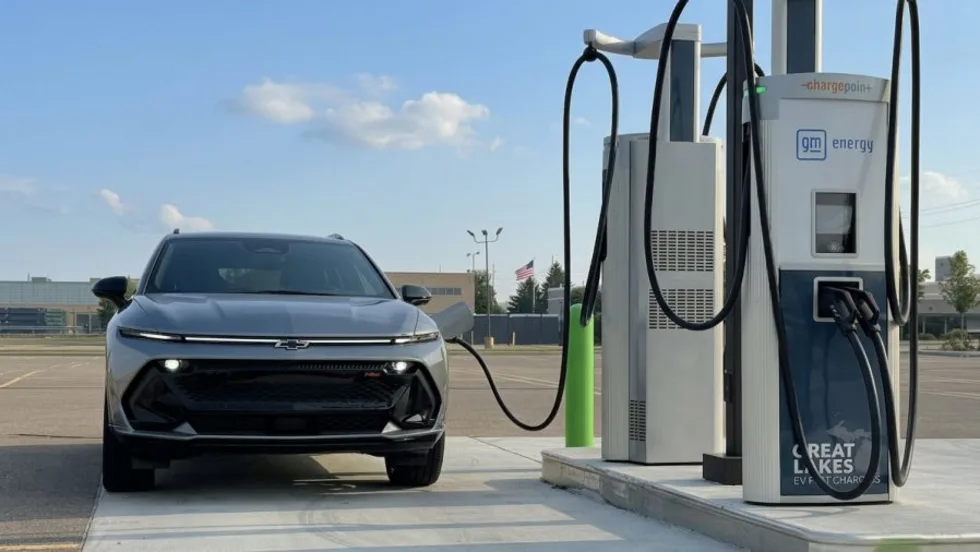
ChargePoint Now Available in Energy Pass
ChargePoint and additional planned charging network integrations were added to GM's Energy Pass.
Read More →

First Look: Slate Auto's Electric Fleet Pickup
Could an affordable, modular EV pickup make electrification more practical for fleets?
Read More →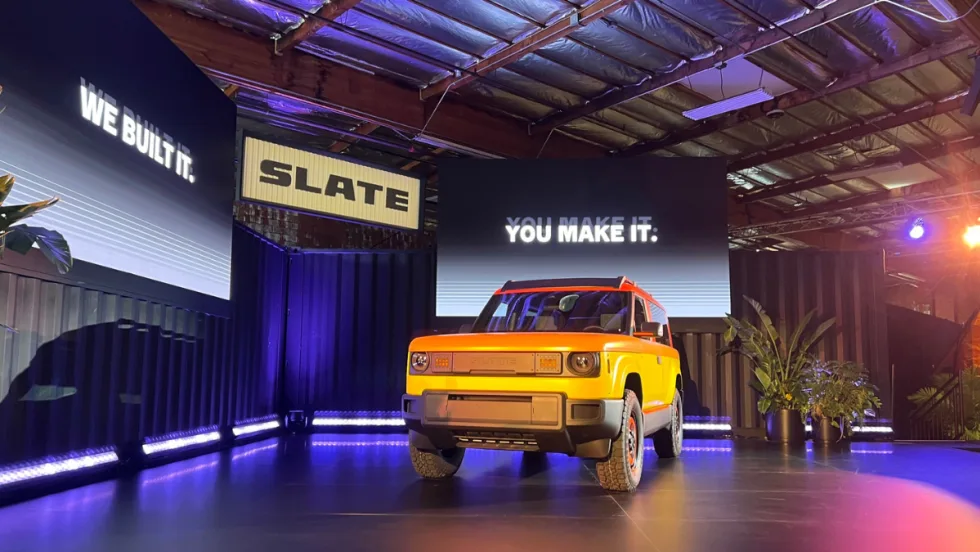
Slate Debuts Colorful, Unique EV Models
A recent media and client event, studded with electric vehicles dressed up on platforms, planted a new position for the manufacturer in the wider EV market. Fleets will find cost-saving advantages.
Read More →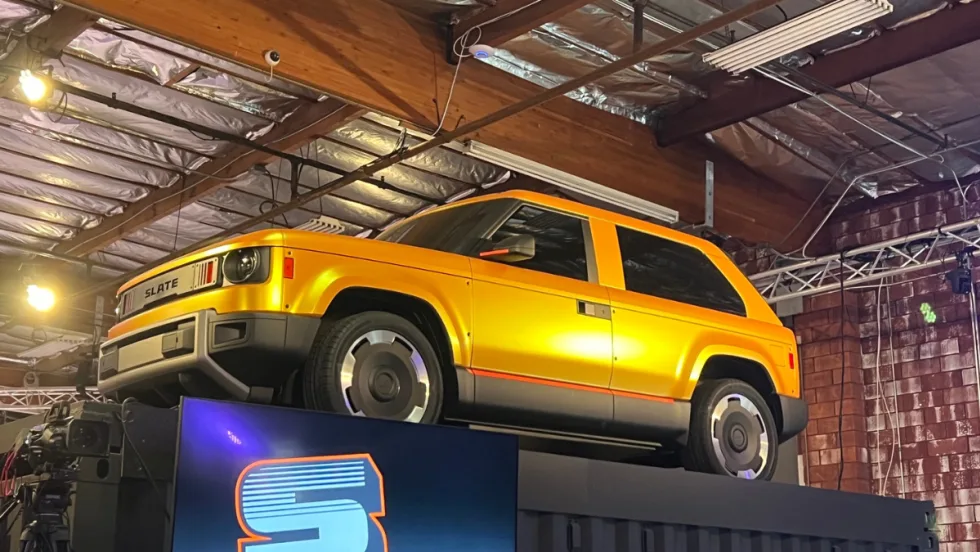
Slate Electric SUV, Pickup Switchable Model Aims For Light-Duty Fleets
Everything about this EV is counterintuitive and understated, making it stand out from the crowd.
Read More →
Inspiration Mobility Acquires Key Electrada Assets
Inspiration Mobility Group has acquired select assets of Electrada, adding the fleet electrification provider's team, technology, and charging infrastructure development capabilities to its energy management business.
Read More →