




FedEx to Increase Vehicle Fuel Efficiency 20 Percent by 2020
MEMPHIS, TN – By 2020, FedEx Corp. plans to reduce carbon dioxide emissions from its FedEx Express aircraft fleet and improve the fuel efficiency of its FedEx Express vehicle fleet by 20 percent.
MEMPHIS, TN – By 2020, FedEx Corp. plans to reduce carbon dioxide emissions from its FedEx Express aircraft fleet by 20 percent and improve the fuel efficiency of its FedEx Express vehicle fleet by 20 percent. The new goals were outlined in the FedEx 2008 Global Citizenship Report just released. Since 2005, FedEx has reduced aircraft carbon dioxide emissions by 3.7 percent per available ton mile and improved FedEx Express vehicle fuel efficiency by 13.7 percent, reducing vehicle carbon emissions by almost one billion pounds, according to Business Wire.
"FedEx recognizes that one of the most responsible steps we and the industrial sector can take for our businesses, society and the environment is to reduce our dependence on fossil fuels," said Frederick Smith, FedEx Corp. chairman, president, and chief executive officer. "Our role is to connect the world in responsible and resourceful ways. The world faces big challenges, and we believe that collective, sustained efforts can create greater possibilities for people, businesses, and nations worldwide."
FedEx continues to make significant progress toward achieving its fuel efficiency goals by investing in more fuel-efficient aircraft, vehicles, and facilities including:
FedEx E700 hybrid electric trucks, the most common hybrid in the FedEx fleet, improve fuel economy by 42 percent, reduce greenhouse gas emissions by approximately 25 percent, and cut particulate pollution by 96 percent compared with conventional vehicles.
FedEx Express has worked to optimize its delivery routes to ensure that the most efficiently-sized vehicle is used on each route. As a result of these efforts, more than one-fourth of the FedEx Express fleet has been converted to smaller, more fuel-efficient vehicles, saving more than 45 million gallons of fuel in the past three years.
More Green Fleet

Turning Connected Vehicle Data Into Decisions That Matter
Fleet leaders have more data than ever, but turning that data into clear, actionable decisions remains a challenge. This white paper shows how leading organizations are using connected vehicle data to improve safety, reduce costs, and optimize fleet performance. Learn how to turn insight into action across your fleet.
Read More →
Are You Tracking Your Fleet's True Total Cost of Ownership?
Bobit Business Media surveyed 190 fleet professionals and found that while most fleets are tracking costs, fragmented systems and data gaps are keeping true TCO visibility out of reach. With rising pressure to control spend in an increasingly volatile environment, the gap between what fleets think they know and what the data actually shows is wider than you might expect. See how your peers are managing costs today and where the industry still has room to improve.
Read More →
Hybrids: Electrification Without the Challenges
For fleet managers, fuel is one of the biggest line items in the budget — and it's one hybrids can shrink without changing how your people work. Download the eBook to see the numbers, understand the technology, and get a step-by-step guide to making the switch.
Read More →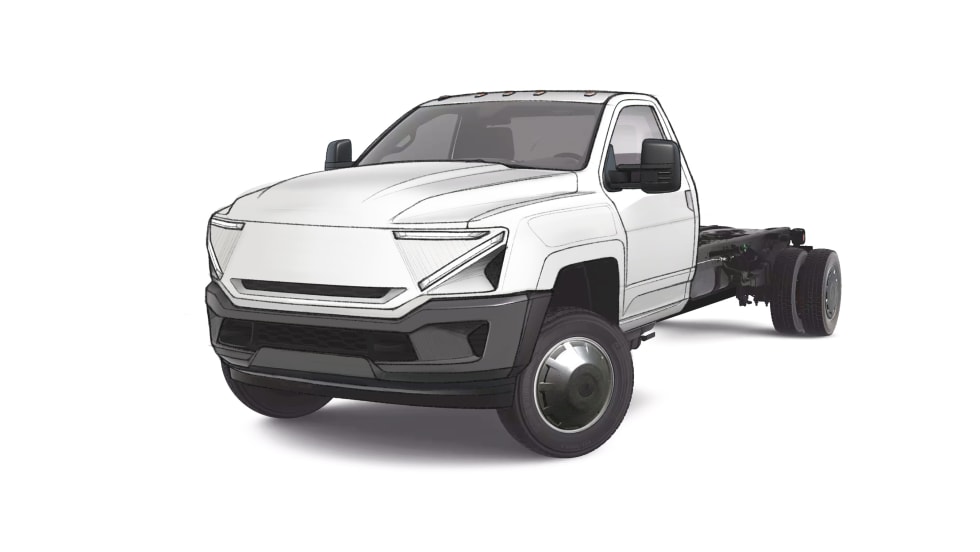
Startup ZMD Motors Developing Electric Conversion for Ram 5500 Work Trucks
Detroit-based company says it has begun early development of a system to convert internal combustion Ram 5500 chassis-cab trucks to electric power.
Read More →
U.S. EV Adoption Is Climbing, but Commercial and Passenger Markets Diverge
New industry group data revealed that light-duty electric vehicle sales are hitting record market share and volumes, while commercial EV volume dipped. What’s driving the fluctuations?
Read More →
How To Upfit Electric Work Trucks and Vans
The biggest challenge lies in balancing additional equipment and accessories with EV battery capacity and range.
Read More →
How Fleets Can Adjust Approaches To EV Adoption
With the expiration of federal incentives, EV success now hinges less on government policy and more on discounts, battery tech progress, increased range, and broader infrastructure.
Read More →
Despite World Troubles, Forward Thinking Guides Fleets
Fleet operators shared their challenges during an annual conference that embraced the latest advances across all aspects of running private- and public-sector vehicles.
Read More →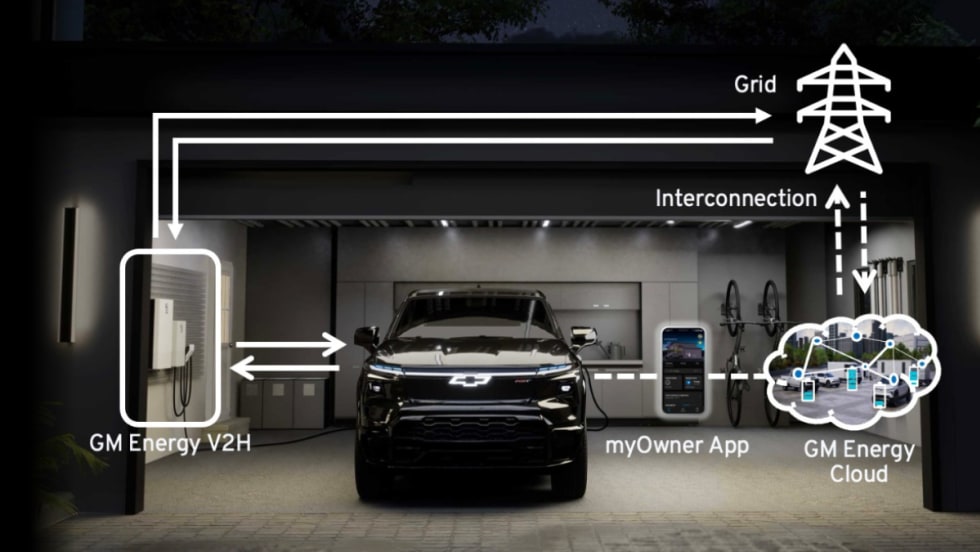
GM Energy Details Partnerships and Targets for Public Charging Build-Out
EVgo, Pilot, ChargePoint and IONNA named; goal is 35k GM-invested DC stalls by 2030, with customer-experience upgrades at sites.
Read More →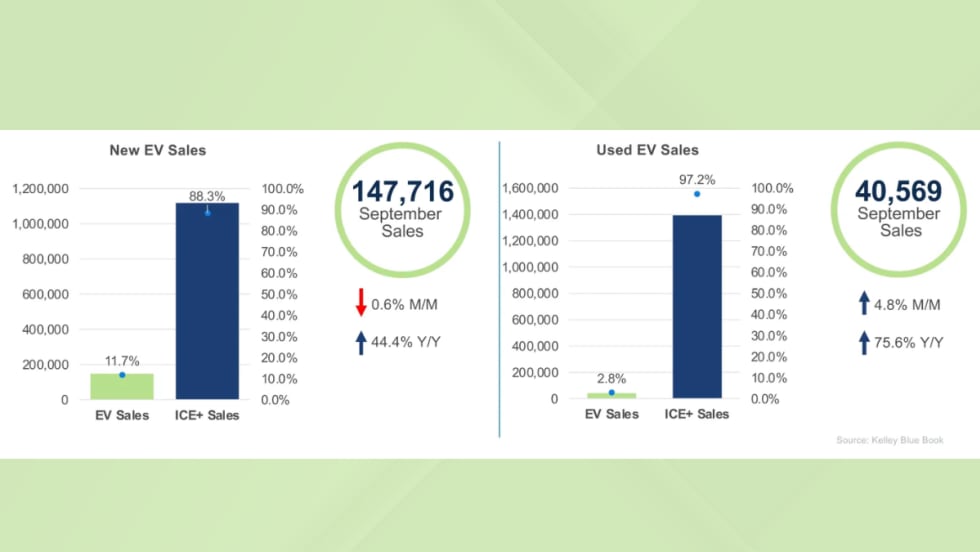
Q3 Electric Vehicles Sales Hit Record High
EV buyers took advantage of the final federal tax credit days, while average prices edged up for new EVs and continued to decline for used models.
Read More →