




El Pollo Loco Restaurant Chain Goes Green
El Pollo Loco’s new, attention-getting ZAP electric vehicles not only promote business, but also demonstrate the company’s environmental efforts to the general public.
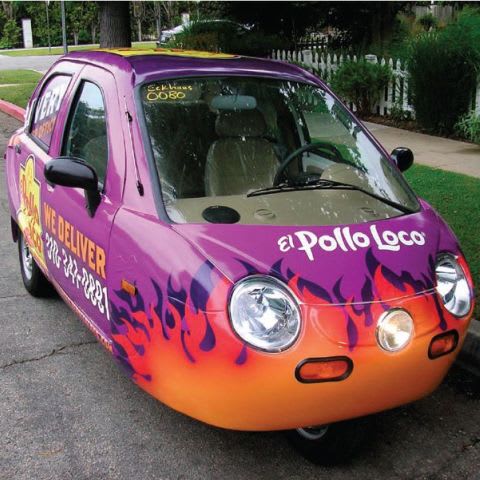
For the El Pollo Loco restaurant chain, going green is proving a smart business move. The 410-unit restaurant chain has been experimenting with deploying electric cars to make deliveries.
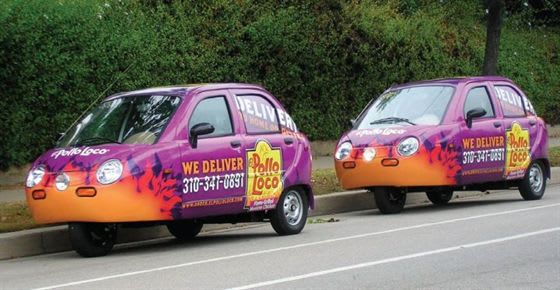
Julie Weeks, vice president of communications, said that for the past few months, a franchise that services the neighborhoods of Beverly Hills and Century City in Los Angeles has been using two Xebra electric vehicles from Santa Rosa, Calif.-based ZAP for its deliveries.
Electric vehicles have exhibited several advantages for El Pollo Loco, according to Weeks. Some are practical, while others are marketing dividends. Nonetheless, these cars offer many benefits, Weeks noted.
Size. The small size of the three-wheeled vehicles makes it easy for drivers to find parking spaces quickly — definitely important when making hot food deliveries.
Maneuverability. The Xebras are easy to maneuver throughout crowded city streets.
Gas savings. The all-electric vehicles don’t use gasoline — an advantage at a time when a gallon of fuel is hovering around the $4 level.
Easy advertising. With the vehicles covered in decals promoting El Pollo Loco restaurants driving around in public, people see them and notice the company’s logo, Weeks said. California is a leading state in the green movement and being associated with good environmental citizenship doesn’t hurt the chain’s image with the public, she said.
Mark Landouw, director of operation services for El Pollo Loco, said delivery people have been stopped and questioned by members of the public about the electric cars. While it’s great for promoting El Pollo Loco, it can be a bit of a problem when trying to make sure food gets to the customer while it’s still hot.
Once the decision was made to try electric vehicles, actually getting them took longer than expected, Landouw said. It took about four months to get the units from China.
Still a Little Green
Weeks said the company decided to test the use of electric vehicles at the Century City/Beverly Hills, Calif. restaurant for a number of reasons. One is the territory served by the restaurant is relatively small and has a high-density population. The vehicles, which cost $12,000 a piece, aren’t freeway-legal, so having a small delivery area works best.
“Most of the deliveries are made in a two- to three-mile radius,” said Brad Pinkerton, director of marketing development for El Pollo Loco. “The electric cars don’t have to go that fast or that far to make deliveries.”
Using electric vehicles is new for the company, Landouw said. Company officials are still working out all the kinks in their deployment.
“Our biggest fear is the unknown,” Landouw said. “This is out on the edge right now. We don’t have a basic understanding of what to do if something breaks down. But they’re a lot like golf carts, so we go to the golf cart people for repairs. You can’t take one of these vehicles to the corner mechanic. You need different people to check the wiring and do repairs.”
The Beverly Hills/Century City franchise was also chosen to test the ZAP units is because it doesn’t offer sit-down service, just take-out and delivery.
Landouw said the restaurant has been averaging about 30 deliveries per day, and the vehicles travel between 30 and 40 miles. The batteries are charged using a standard 110-volt source.
ZAP offers an “express charger,” Landouw said. But the company felt one wasn’t needed, given the miles driven per day. The batteries are fully charged overnight during an eight-hour period. They also recharge while in use during the day, when battery power levels reach 50 percent of power used.
The State of California classifies the vehicles as motorcycles because they have three wheels and no airbags. The ZAP units do, however, have seat belts. Drivers don’t need much training to operate the ZAP vehicles, but they must make a few adjustments, Landouw said.
“There’s no gear shift,” Landouw said. “Drivers must press a button to reverse. Because it’s not an internal combustion vehicle, there’s no sound when the engine engages, so the biggest problem has been drivers sitting there not knowing the car has started.”
Drivers also must be careful when making turns, Landouw said. Because of the vehicles’ weight, the vehicles don’t actually tip over, but they do tilt, so curves must be taken relatively slowly. Drivers must also watch out for potholes, as the car can be shaken up if they hit one.
Landouw said they’re still in the testing phase, expected to last another year. Even if the test proves successful, it may not be used at all franchise locations, Weeks said. Some franchises rely on freeways to make deliveries, and others have a territory much larger than the Beverly Hills/Century City location.
“So far the cars, which are wrapped in our brand, have gotten the attention of the public and have proven practical in their use,” Weeks said. “I would say so far, they’ve been a big success.”
More Green Fleet
New Propane Autogas Program Offers Fleet Compensation
Qualified commercial fleets can receive $7,500 per eligible propane autogas vehicle and up to $10,000 for new refueling site prep. Learn how the program works and see whether your fleet qualifies.
Read More →
EV Charging Use Is Outpacing Infrastructure Growth
ChargePoint’s 2026 Charging Forward Report points to rising charger use, higher-powered charging, commercial vehicle electrification, and energy-management technology. Here’s what fleets should know.
Read More →
Merchants Fleet Reports 290M EV Miles as Fleets Navigate Changing Electrification Market
From millions in operating savings to hundreds of millions of EV miles, Merchants Fleet’s latest report reveals what’s working and what’s changing in fleet electrification.
Read More →
The EV Breakdown Nobody's Talking About: Why Most Electric Vehicle Roadside Calls Aren't Mechanical Failures
Here's why EV breakdowns are widely misunderstood.
Read More →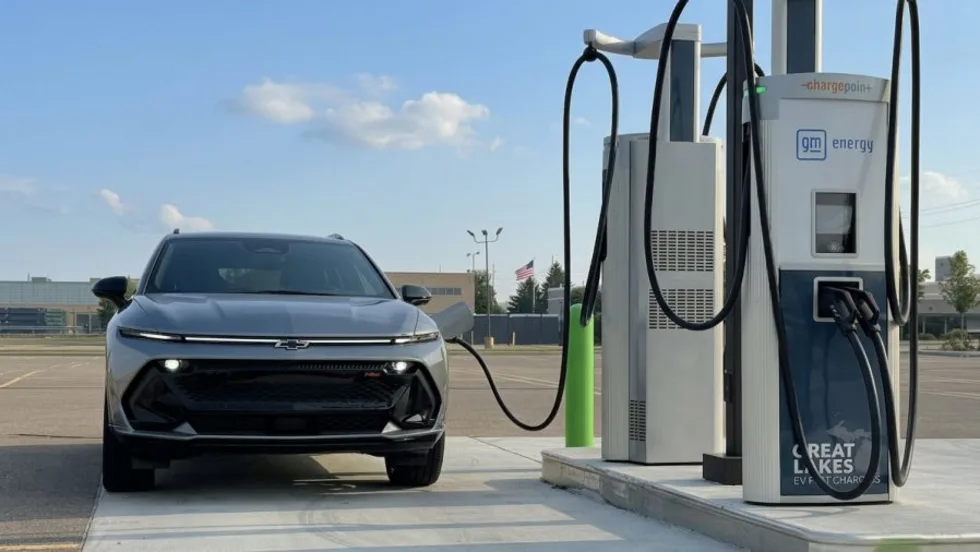
ChargePoint Now Available in Energy Pass
ChargePoint and additional planned charging network integrations were added to GM's Energy Pass.
Read More →
First Look: Slate Auto's Electric Fleet Pickup
Could an affordable, modular EV pickup make electrification more practical for fleets?
Read More →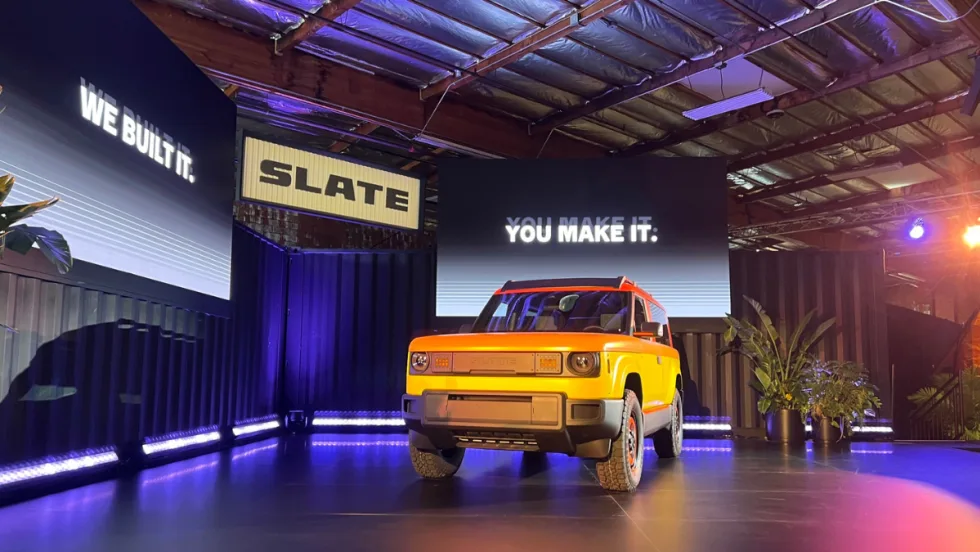
Slate Debuts Colorful, Unique EV Models
A recent media and client event, studded with electric vehicles dressed up on platforms, planted a new position for the manufacturer in the wider EV market. Fleets will find cost-saving advantages.
Read More →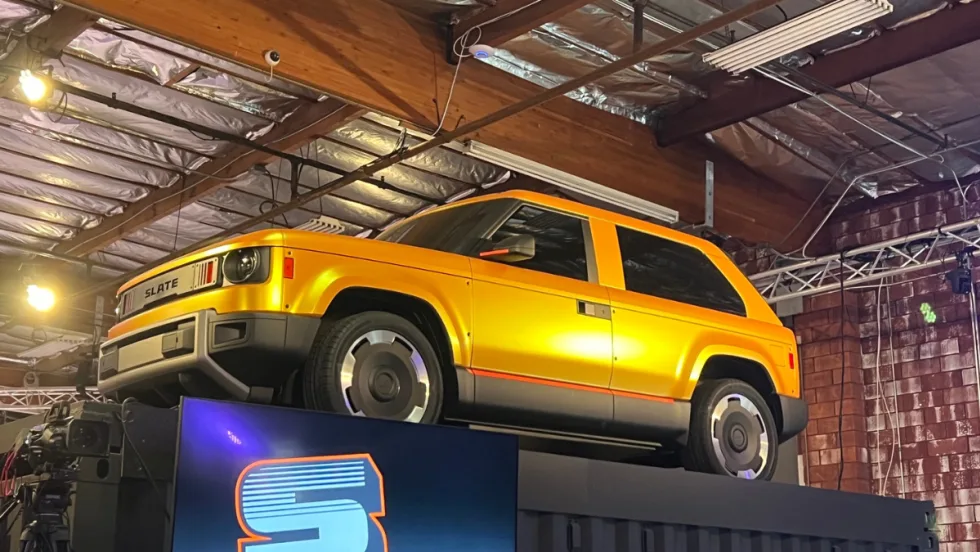
Slate Electric SUV, Pickup Switchable Model Aims For Light-Duty Fleets
Everything about this EV is counterintuitive and understated, making it stand out from the crowd.
Read More →
Inspiration Mobility Acquires Key Electrada Assets
Inspiration Mobility Group has acquired select assets of Electrada, adding the fleet electrification provider's team, technology, and charging infrastructure development capabilities to its energy management business.
Read More →