




Florida Fuel Tanks Fail to Comply with Upgrade Deadline
TAMPA, FL - Nearly 4,700 fuel storage tanks operated by gas stations, governments, and businesses in Florida must be upgraded by the end of March or face shutdown.
TAMPA, FL - Nearly 4,700 fuel storage tanks operated by gas stations, governments, and businesses in Florida must be upgraded by the end of March or face shutdown, according to the St. Petersburg Times.
To protect drinking water, the state of Florida required owners to upgrade the tanks from single-wall protection to double walls - or permanently close them out. The deadline was Jan. 1. However, nearly 600 Tampa Bay area tanks still need upgrades at almost 200 locations, most of them fuel stations, according to a database by the Florida Department of Environmental Protection (DEP), reported the Times.
Now the state agency will give owners until March to upgrade or close off the tanks - or face fines starting in April.
Most of Florida's drinking water comes from groundwater that could be harmed by a leaking tank. The requirements are supposed to keep taxpayers from having to pay the cleanup costs after leaks taint soil and water.
The state won't fine owners if they have contracts for upgrades that will be done by March 31, or if they agree to consent orders if they need more time.
Upgrades can run up to $300,000, said Pat Moricca, president of the gas retailers group, which is a costly fee during recession, he said.
The Times said the DEP also created a list of preapproved contractors to speed the work.
Former Gov. Martinez said he couldn't explain why the deadline passed with so many tanks failing the state standard, according to the Times.
More Fuel
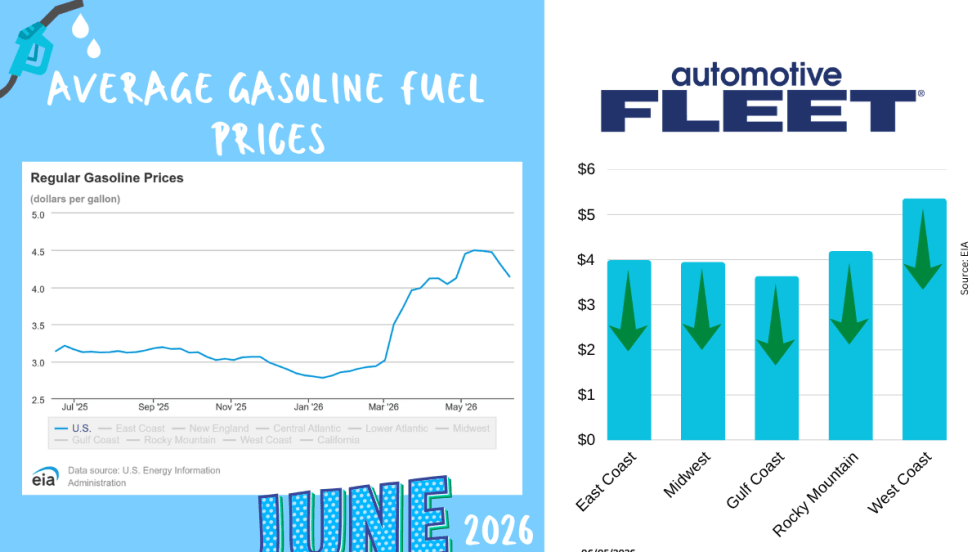
June Fuel Update: Prices Continue to Fall
While prices have continued to decline for four straight weeks, the next weeks don't look as promising.
Read More →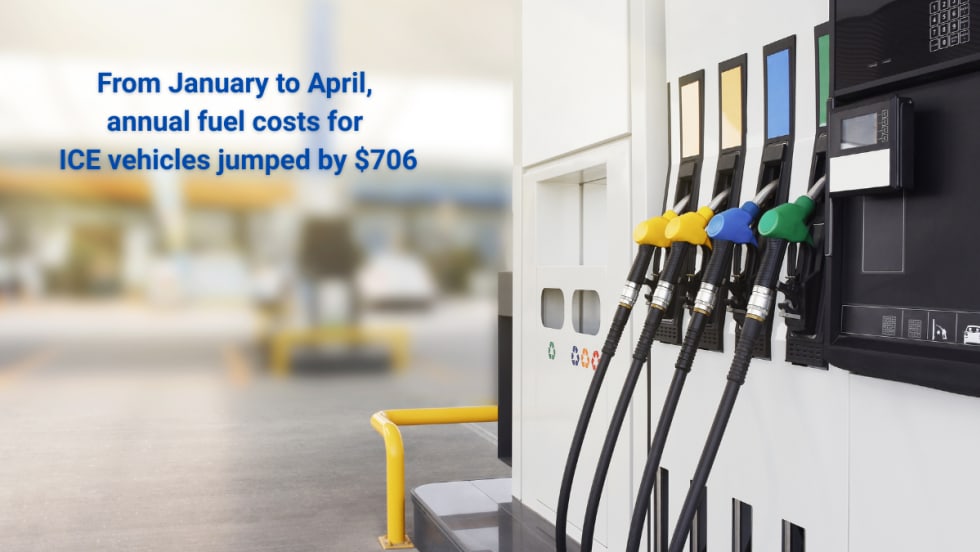
Study: How 2026's Gas Price Hikes Affect Different Vehicle Types
New data from iSeeCars reveals how rising fuel costs have affected different vehicle segments as gasoline prices climbed nearly 46% over the past four months.
Read More →
Are You Tracking Your Fleet's True Total Cost of Ownership?
Bobit Business Media surveyed 190 fleet professionals and found that while most fleets are tracking costs, fragmented systems and data gaps are keeping true TCO visibility out of reach. With rising pressure to control spend in an increasingly volatile environment, the gap between what fleets think they know and what the data actually shows is wider than you might expect. See how your peers are managing costs today and where the industry still has room to improve.
Read More →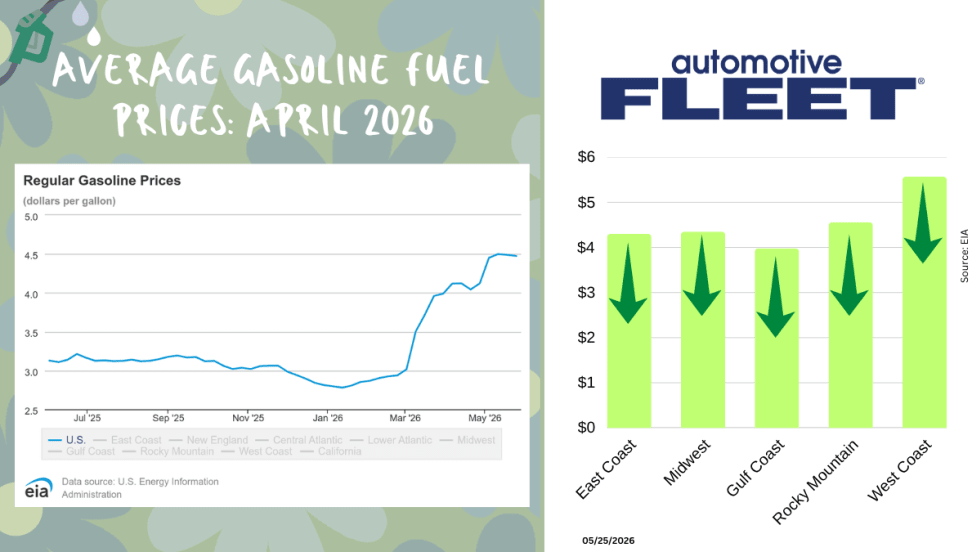
May Fuel Update: All Regions Experience Declines
Gas prices are finally easing in much of the country, but experts warn global tensions could quickly reverse the trend as the national average remains well above last month’s levels.
Read More →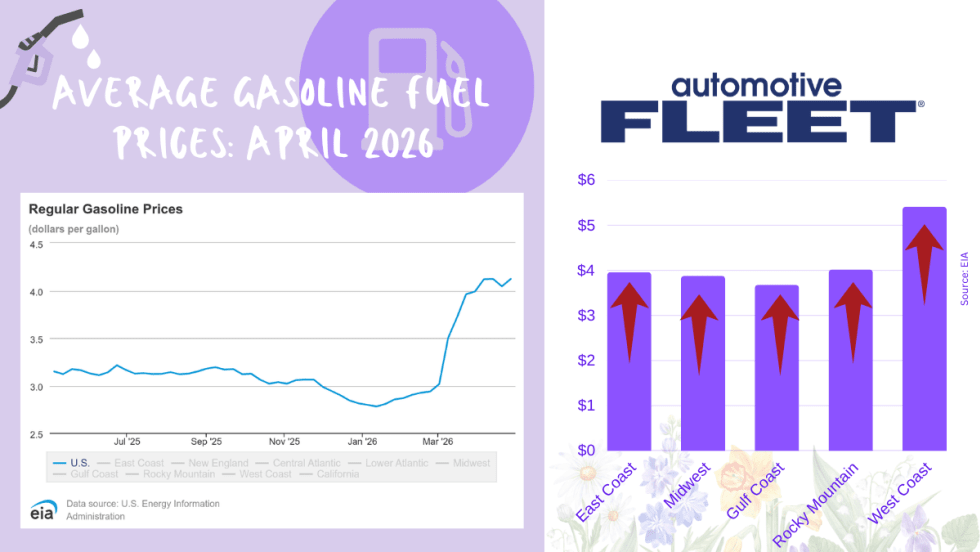
April Fuel Update: Prices Climb Above $4 as Spring Surge Accelerates
National average jumps to $4.04 per gallon, up sharply from last year, with West Coast prices topping $5 and further increases expected amid rising oil tensions.
Read More →
Tips from Fleet Managers on Saving Fuel Costs
Fleet leaders share practical strategies to reduce fuel spend through smarter policy, routing, and driver guidance.
Read More →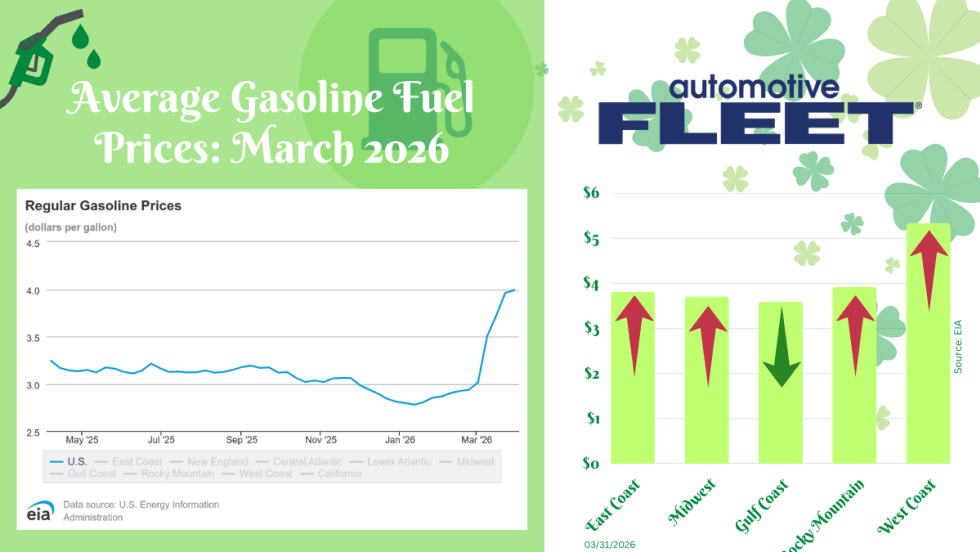
March Fuel Update: Prices Settle With a $4 Average
Fuel prices significantly slowed this week, but a $4 national average is still expected.
Read More →
Bob Adamsky on Fuel Volatility: “Don’t Panic — Have a Plan”
With oil prices rising again, AWP Safety’s fleet manager shares how to respond to rising fuel costs and how the right strategy can turn fuel spikes into cost-saving opportunities.
Read More →
Oil Market Turbulence Is Complicating Fleet Cost Planning
Rapid swings in crude oil prices driven by the conflict in the Middle East could create longer-term cost pressures for fleets, affecting fuel prices, supply chains, and vehicle strategy, says NTEA’s Andrew Wrobel.
Read More →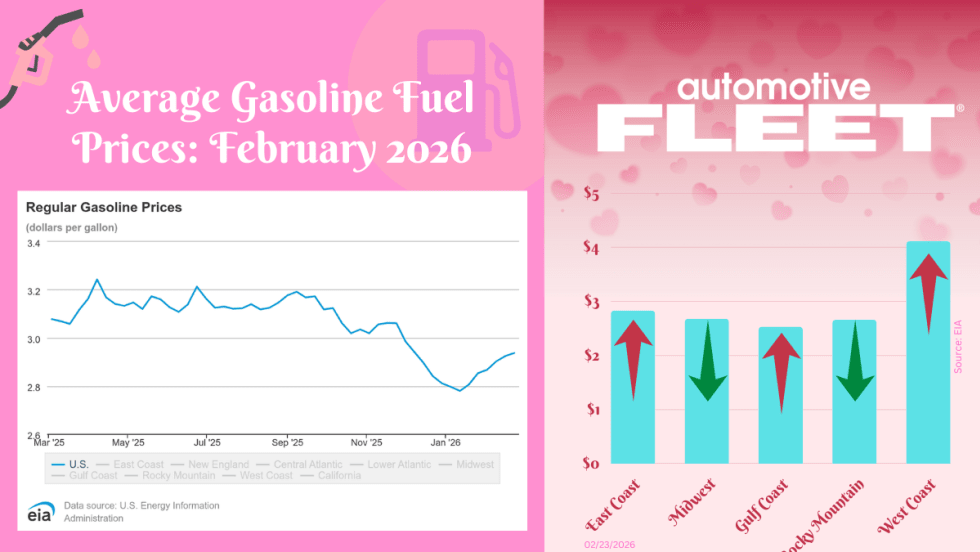
February Fuel Update: Prices Inch Higher for Third Week in a Row
The final February fuel update reveals prices continuing to inch higher for the third week in a row.
Read More →