




Auto Club Warns Drivers About Procrastinating that Trip to the Pump
LOS ANGELES --- With gasoline prices over $4 a gallon, some drivers may be more likely to procrastinate those trips to the pump. But motorists who allow their vehicle's fuel tank to run near empty risk being stranded on the road and damaging expensive car parts, the Automobile Club of Southern California warns.
LOS ANGELES --- With gasoline prices over $4 a gallon, some drivers may be more likely to procrastinate those trips to the pump. But motorists who allow their vehicle's fuel tank to run near empty risk being stranded on the road and damaging expensive car parts, the Automobile Club of Southern California warns.
To date, the Auto Club has not observed an increase in the number of Southern California members calling for roadside assistance because of an empty fuel tank. But the organization still wants to remind motorists that running a vehicle's fuel tank dry is not only hazardous and inconvenient, but could present costly mechanical problems down the road, said Steve Mazor, manager of the Auto Club's Automotive Research Center.
Running your vehicle on low may cause sediment in the bottom of the tank to clog the fuel pump pickup, the fuel filter or the fuel injectors, he added.
"Letting the vehicle's level of fuel run down to empty may cause the electric fuel pump inside the tank to overheat," said Mazor. "The cost to replace this one component alone can be $500 or more in parts and labor."
Vehicles using diesel fuel have additional needs after running out of fuel. A special "priming" procedure to get fuel to the pump may require the services of an automotive technician.
Additional safety tips for motorists include:
-- Keep an eye on the fuel gauge; don’t let it run down to less than a quarter of a tank.
-- Be alert when your mileage drops so you can take corrective action to restore your vehicle’s fuel economy.
-- Don't touch or pump the gas pedal repeatedly when trying to start a vehicle that's run out of fuel.
-- Drive as fuel-efficiently as possible.
-- If you do run out of gasoline, pull off the highway or freeway as far to the right as possible. Call for help, or call the Auto Club for help if you're a member.
To help motorists prepare their vehicle and summer road trip, and also manage high gas prices, the Auto Club is offering a fuel saver inspection through July 31 at participating AAA-approved auto repair facilities. The fuel saver inspection is a general vehicle and visual under-the-hood inspection. Find the nearest participating AAA-approved auto repair facility online or call (800) 713-0003.
More Fuel
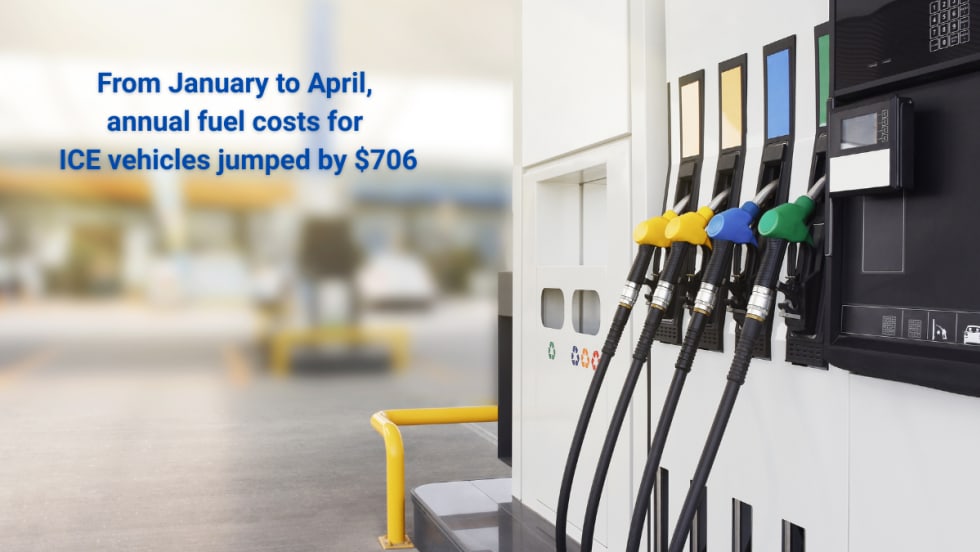
Study: How 2026's Gas Price Hikes Affect Different Vehicle Types
New data from iSeeCars reveals how rising fuel costs have affected different vehicle segments as gasoline prices climbed nearly 46% over the past four months.
Read More →
Are You Tracking Your Fleet's True Total Cost of Ownership?
Bobit Business Media surveyed 190 fleet professionals and found that while most fleets are tracking costs, fragmented systems and data gaps are keeping true TCO visibility out of reach. With rising pressure to control spend in an increasingly volatile environment, the gap between what fleets think they know and what the data actually shows is wider than you might expect. See how your peers are managing costs today and where the industry still has room to improve.
Read More →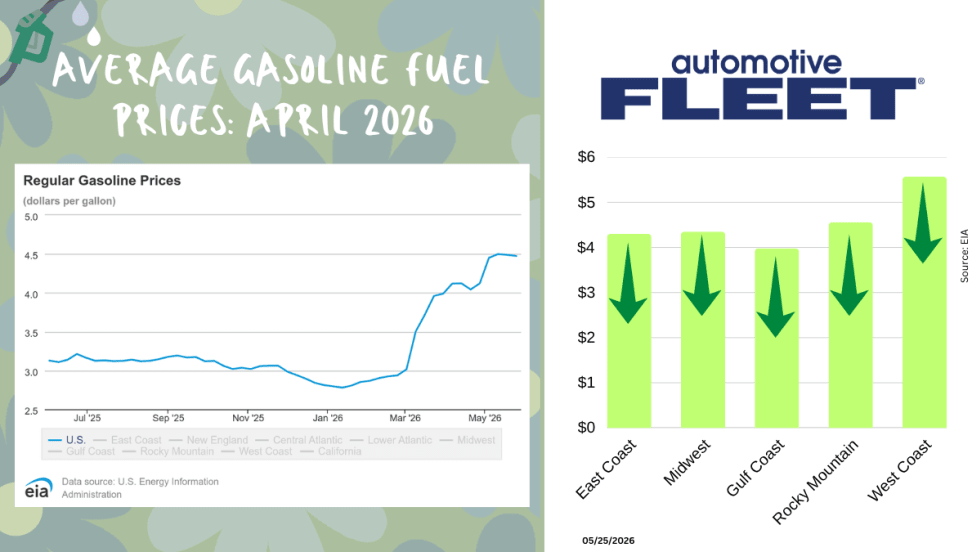
May Fuel Update: All Regions Experience Declines
Gas prices are finally easing in much of the country, but experts warn global tensions could quickly reverse the trend as the national average remains well above last month’s levels.
Read More →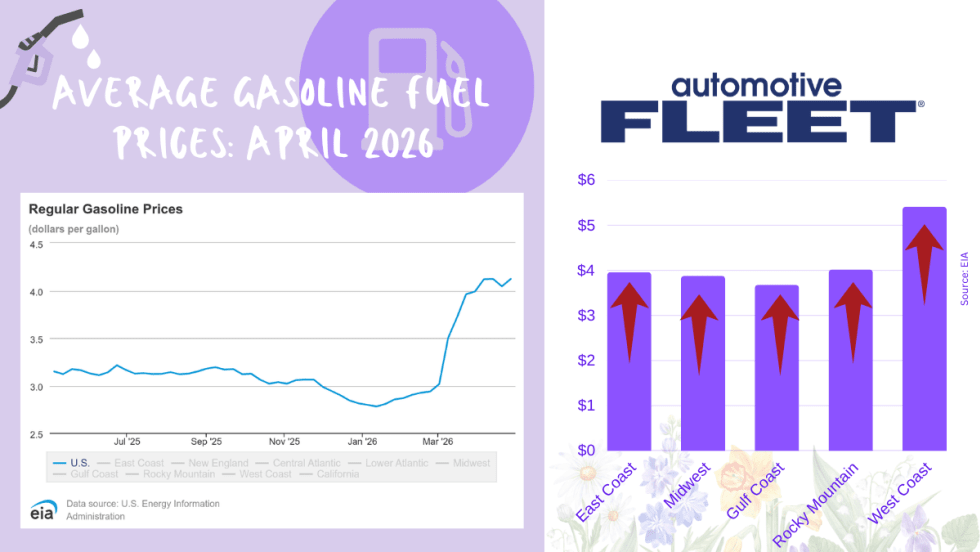
April Fuel Update: Prices Climb Above $4 as Spring Surge Accelerates
National average jumps to $4.04 per gallon, up sharply from last year, with West Coast prices topping $5 and further increases expected amid rising oil tensions.
Read More →
Tips from Fleet Managers on Saving Fuel Costs
Fleet leaders share practical strategies to reduce fuel spend through smarter policy, routing, and driver guidance.
Read More →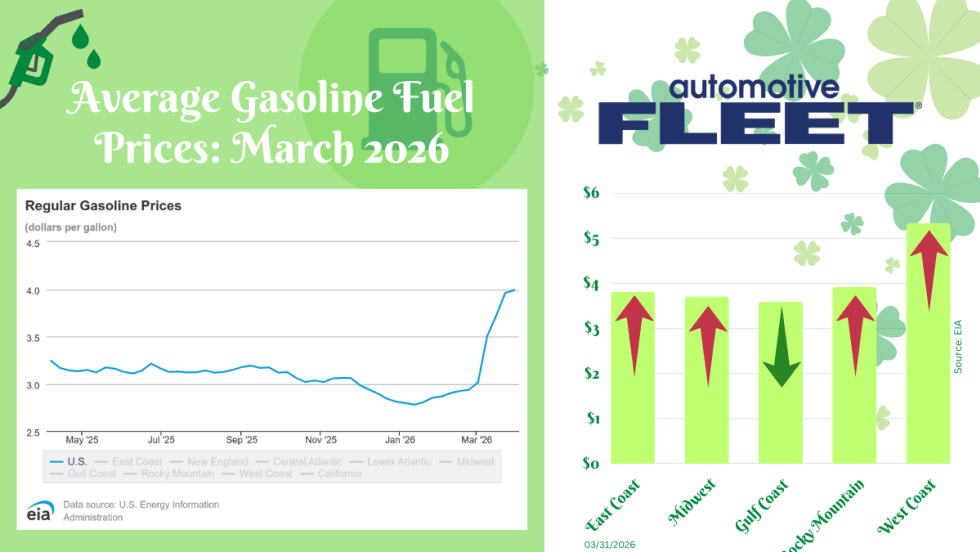
March Fuel Update: Prices Settle With a $4 Average
Fuel prices significantly slowed this week, but a $4 national average is still expected.
Read More →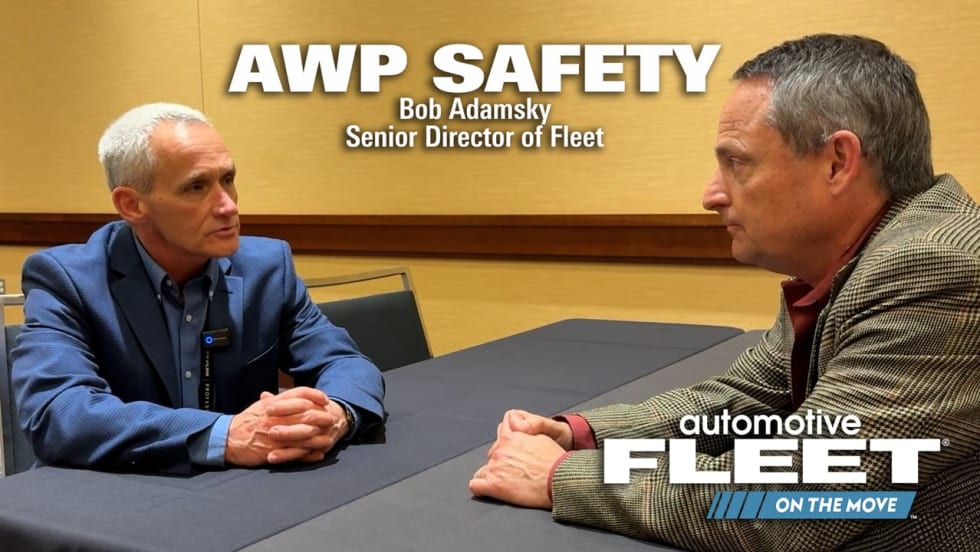
Bob Adamsky on Fuel Volatility: “Don’t Panic — Have a Plan”
With oil prices rising again, AWP Safety’s fleet manager shares how to respond to rising fuel costs and how the right strategy can turn fuel spikes into cost-saving opportunities.
Read More →
Oil Market Turbulence Is Complicating Fleet Cost Planning
Rapid swings in crude oil prices driven by the conflict in the Middle East could create longer-term cost pressures for fleets, affecting fuel prices, supply chains, and vehicle strategy, says NTEA’s Andrew Wrobel.
Read More →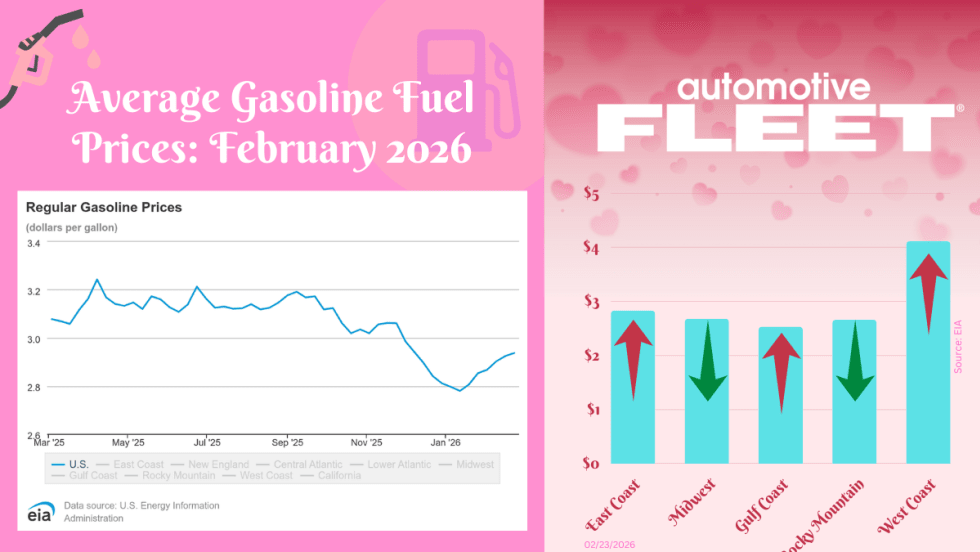
February Fuel Update: Prices Inch Higher for Third Week in a Row
The final February fuel update reveals prices continuing to inch higher for the third week in a row.
Read More →
The 2026 Fuel Economy Guide: Updated Cost and Efficiency Benchmarks for Fleets
Fleet managers can use the DOE’s 2026 Fuel Economy Guide to benchmark MPG across powertrain types using side-by-side vehicle ratings and compare new model-year options.
Read More →