




Privileged to Serve
Rita Harris is using the skills and experience gained from her 20-plus years serving in the U.S. military to help build up Vertex Pharmaceuticals’ fleet program.
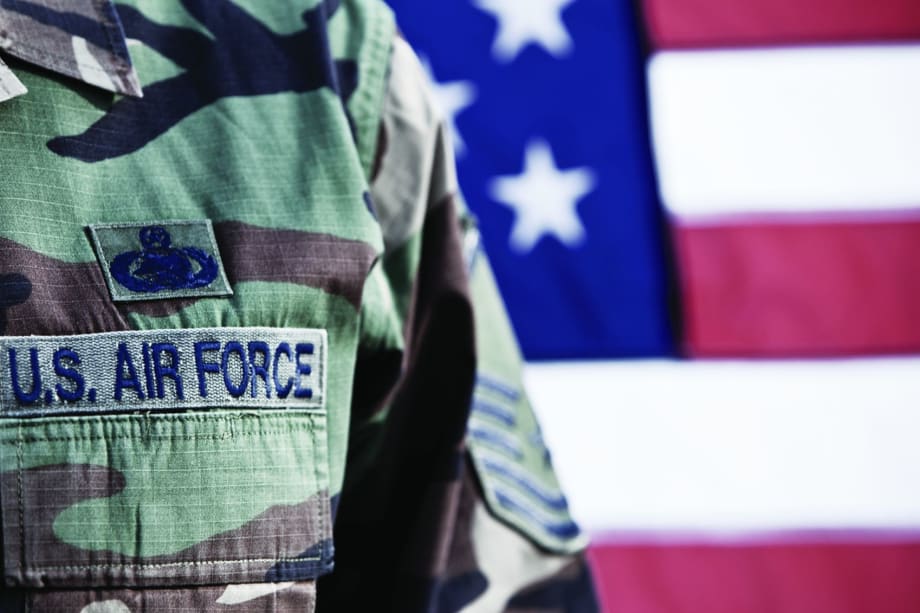
The Air Force and Army helped Rita Harris develop strong leadership and communication skills that she has carried on in her current civilian role as fleet manager for Vertex Pharmaceuticals.
The Air Force and Army helped Rita Harris develop strong leadership and communication skills that she has carried on in her current civilian role as fleet manager for Vertex Pharmaceuticals.
People working with Rita Harris at Vertex Pharmaceuticals can see that there is something “military” about her. She goes about her duties in a disciplined way, and she adapts to change well.
“A lot of people sense my military background because of my organizational abilities,” said Harris, fleet manager for the Massachusetts-based pharmaceuticals company.
Harris retired from her second career in the U.S. Air Force in September. A non-commissioned officer (NCO), she finished her last two-week stretch in the Azores Islands, which belong to Portugal and are located about 1,200 miles from the Canadian island of Newfoundland.
Harris originally started out her military career in the Army, joining right out of high school at 17. She described the experience as “similar to going off to college, but with less freedom.”
But, she wasn’t a stranger to military life growing up. One of her brothers served in the Vietnam War, and another served in the Air Force. After high school, Harris decided to postpone college, so she could do something “adventurous” and travel and have new experiences. “I didn’t think it would be a 20-year career,” she said.
Embarking on a Journey
Harris set off for basic training at the Army’s Fort Gordon in Augusta, Ga., after her high school graduation. Basic training was somewhat of a shock for the young Harris. It’s very structured, with every waking moment accounted for. After an early-morning run every day, she and the other recruits were trained in throwing hand grenades and handling M-16 rifles.
“It’s the first time I ever handled a weapon,” she said. “It was intimidating, but pretty cool.”
Technical training came next, and Harris served as a telecommunications specialist, setting up devices in the field so military members could communicate with each other. “That was my primary military occupational specialty,” she said.
She then set off for her first duty station, in Ft. Hood, Texas. Soon afterward, she was assigned to Mannheim, Germany. As part of her goal to be promoted from the specialist rank to sergeant, she was required to participate in instructor training before she left her Mannheim assignment. Her job was to teach soldiers map reading and leadership skills, and she was promoted in the early 1980s. She continued as an instructor after returning to Fort Gordon.
Harris’ full-time active-duty Army career ended in 1985, and she took a break after her son was born. Around 1986 she entered the private sector, working in fleet management for sanofi-aventis (now known as sanofi), a pharmaceutical company in Bridgewater, N.J. She had worked in the private sector for 10 years when she returned to the military, switching branches to the Air Force Reserve. Reflecting her civilian role, she worked in vehicle maintenance and analysis for the Air Force.
“It was similar to what I do now at Vertex,” she said. “But, the military is different than the civilian world. The Air Force owns its vehicles and doesn’t lease them through a fleet management company like Vertex does.”
Harris worked for sanofi-aventis through different mergers for 21 years before moving to her current position at Vertex about two and a half years ago. She helped build Vertex’s fleet program from the ground up, continuing to use the communications skills she partly learned during her military service.
“I can communicate with all different levels of people in the organization,” she said.
More Operations

Fleet Has a Talent Pipeline Problem. What Comes Next? | AF News Recap
Where will fleet’s next generation of leaders come from? This week, we’re looking at the industry’s talent pipeline, what certification can add to a fleet career, how to build an award-worthy track record, and the return of Automotive Fleet’s Personal Use Survey.
Read More →
Smith System Launches Driver Risk Management Program
Fleets have more driver data than ever, but identifying risky behavior doesn't necessarily correct it. Smith System's new Driver Risk Management program combines monitoring, training, and follow-up coaching to help fleets connect risk signals with driver intervention.
Read More →
Automotive Fleet Opens 2026 Personal Use Survey for Commercial Fleet Managers
Less than two weeks left! Commercial and corporate fleet managers are invited to share how their organizations handle company vehicle personal-use policies, charges, and driver eligibility.
Read More →
From AI Prompts to AI-Generated Safety Songs | AF News Recap
Can better prompts make AI more useful for fleet managers? This week, we’re breaking down smarter fleet analysis, an AI-assisted experiment that turned safety training into music, and what happened to fuel prices in August.
Read More →
How to Write Better AI Prompts for Fleet Analysis
Include these six elements in your fleet prompts to generate more relevant analysis and accurate answers.
Read More →
Fleet Meets: Eric Kilgore
This edition of the Fleet Meets series features one of the industry's best leaders driving multi-market and national operations.
Read More →
Why Reactive Fleet Management Is Becoming Too Expensive to Sustain
Research highlights a growing need for proactive management strategies to address rising costs in fleet operations effectively.
Read More →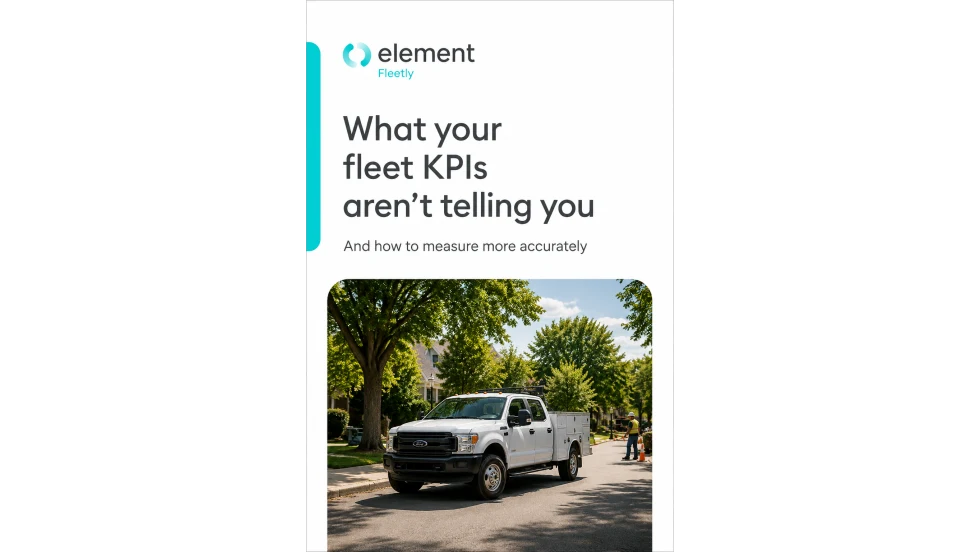
What Your Fleet KPIs Aren’t Telling You
Tracking fleet metrics is only useful when the data leads to better decisions. This guide helps fleet leaders assess cost, utilization, and downtime more accurately, identify performance gaps, and prioritize the actions that can improve operational results.
Read More →
Hidden in Plain Sight: Fleet Compliance Risks
Fleet compliance isn't just about having policies — it's about consistently enforcing them. This practical guide reveals six hidden compliance risks common in public sector and shared fleet operations and outlines proven strategies to improve visibility, accountability, and audit readiness
Read More →
Turning Fleet Payment Data into Executive Insights
Does data alone drive results in operations?
Read More →