




Saab’s Future Product Offerings
With an infusion of funding and ambitious plans for new models, Saab is looking toward the future with product offerings that include a brand-new, next-generation platform.

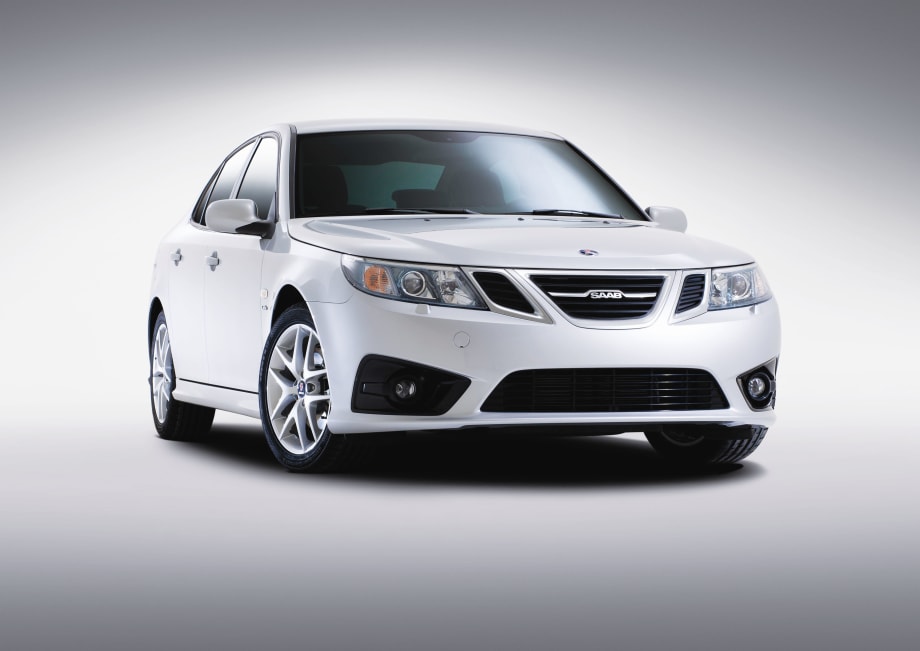
The MY-2012 Saab 9-3 Griffin range has new front bumpers, "ice block" headlamps, and a Griffin badge. Shown in this Sport Sedan.
Photo courtesy: Saab Automotive AB

The MY-2012 Saab 9-3 Griffin range has new front bumpers,
Since Dutch automaker Spyker Cars N.V. bought Saab from General Motors in February, Saab has been working on developing partnerships with manufacturers for major components. With a recent infusion of funding and ambitious plans for new models, Saab is looking toward the future with its product offerings.
Getting Back into Fleet
Saab's 9-3 is its most popular fleet product, according to John Gaydash, fleet and sales operations director for Saab. "It's probably the most logical choice for most fleets," he said, adding that it did particularly well in the pharmaceutical industry. "I think the primary reason was because the 9-3 was considered a premium European import and was attractive to the pharmaceutical companies from the perspective of offering to their 'road warriors' a vehicle that was more upscale," Gaydash said.
Saab announced the MY-2012 9-3 Griffin lineup at the Geneva Motor Show in March. The lineup features a new 2.0L four-cylinder turbo engine - the same engine used in base 9-5 vehicle configuration, and includes direct injection, variable cam-phasing, twin-scroll turbo, E-85 capability in front-wheel-drive variants, and improved fuel economy over the previous engine, according to Saab. The 9-3 Griffin also features a new 6-speed automatic transmission and various interior and exterior changes (including standard equipment additions) from the previous model year.
Saab launched the 9-5, a brand-new, full-size sedan in the fall of 2010. The company will introduce the MY-2012 version this fall. In addition, production of its 9-4X crossover vehicle was expected to begin May 16 (as of press time), available starting at the end of June. Gaydash said he has seen some fleet interest in utilizing the 9-5 sedan and 9-4X vehicle in executive fleets.
Preparing for the Future
The automaker currently has plans in process for a next-generation 9-3 sedan on an all-new platform, planned for MY-2013. "That will be our first product since we've separated from GM, and it's our own unique platform," Gaydash said. The new platform will include engines provided by BMW, and potentially the E-power (all-electric) technology currently being tested in Europe.
The new platform will become the base platform for all next-generation product offerings, including the 9-3 station wagon and convertible, 9-4X, and 9-5 vehicles. 'We'll bring those products out over the next several years after we launch the new 9-3 in the fall of 2012," Gaydash said.
In preparing for the future, Saab has partnered with American Axle to manufacture an electric AWD system and ZF Chassis System to supply front sub-frames and complete rear axle assemblies for future vehicles.
In early May, the automaker made several announcements that bode well for its future: acquiring short-term funding from Gemini Investment Bank and the addition of Tim Colbeck, previously with Subaru, as president and COO for Saab Cars North America.
More Operations

A buyer's guide to fleet management software in 2027
Buying fleet management software in 2027 means looking beyond features and price. As fleet operations, technology and expectations evolve, this guide explores what today’s fleet professionals should consider when choosing a system that can deliver value now and adapt to what comes next.
Read More →
What Will Shape the Next Era of Fleet Management?
EVs, AI, and autonomous vehicles are reshaping fleet management. Discover what’s ahead—and how fleet leaders can prepare for the next era.
Read More →
How Fleets Can Recruit and Train Veterans for Technician Roles
Here's how the technician shortage has affected uptime for fleets, and what to do about it.
Read More →

Avis Budget Group Deploys Neology Toll Management Technology Across Major Brands
Neology’s neoFleet platform will manage toll transactions and toll-authority operations for vehicles across Avis, Budget, Payless, Budget Truck and Zipcar.
Read More →
Fleet Personal-Use Charges Edge Higher in 2026
Nearly eight in 10 surveyed fleets allow personal use of company vehicles, while just over half of respondents report charging employees for the privilege.
Read More →
The Future of Fleet + What’s Changing Right Now | AF News Recap
Could developments overseas offer a preview of what’s coming for U.S. fleets? This week, we’re looking at the future of AI, autonomy, and electrification, plus Ford Pro’s new certified pre-owned program, smarter vehicle offboarding, and a new way for fleets to manage toll expenses.
Read More →
How to Handle Vehicle Offboarding
What do fleet managers need to do when a driver leaves?
Read More →
Fleet Manager’s Ultimate Playbook: Navigating the New Standard in OEM Connectivity
Rising operating costs, driver safety concerns, and unplanned downtime are putting unprecedented pressure on modern fleets. Discover how fleet managers use embedded OEM connectivity and real-time vehicle data to cut TCO, prevent downtime, and protect drivers without aftermarket telematics hardware.
Read More →
U.S. Bank Adds Verra Mobility Toll Management to Voyager Fleet Platform
The integration allows U.S. Bank Voyager fleet customers to manage toll payments and violations alongside fuel, EV charging and maintenance expenses.
Read More →
ADAS Prevents Crashes. But Repairs Cost More | AF News Recap
ADAS-equipped vehicles may crash less often, but they can cost more when they do. This week, we’re breaking down what that tradeoff means for fleets, plus Subaru’s first Forester Wilderness Hybrid, Nissan’s new e-POWER Rogue, and why Calstart has become Catalyst Mobility.
Read More →