


 MENU
 SEARCHMENUSEARCH
Loading data...

Dean Foods’ vice president of transportation has modernized the milk products fleet by improving safety, increasing efficiency, and adding alternative-fuel vehicles.
Read More →
Continued stability in crude oil prices, along with longer oil drain intervals, are helping to offset the higher cost of synthetic motor oils that are now required by more automotive OEMs.
Read More →Some California drivers are now paying more than $3 a gallon as the state fuel prices reflect the highest gasoline charges in the country.
Read More →In a spin-off of the “What Would Jesus Drive” anti-sport utility vehicle effort, a Michigan interfaith group has urged Gov. Jennifer Granholm to replace the state’s 6,934-vehicle fleet with fuel-efficient cars to save millions of dollars and significantly reduce emissions.
Read More →Xata Corp. said that Penske Truck Leasing Co. would offer the Xatanet Web-based fleet reporting system to its lease customers in North America.
Read More →The 2025 CAFE rules will have a dramatic impact on the types of future vehicles in fleet operations. Currently, no OEM can meet the 2025 CAFE standard of 54.5 mpg, which will double the average EPA-rated fuel economy for all OEMs selling vehicles in the U.S. in less than two decades. Today, only a handful of models get 39 mpg or more. To achieve this standard, the government plans to incentivize the use of advanced technologies, such as hybrid powertrains and vehicle electrification.
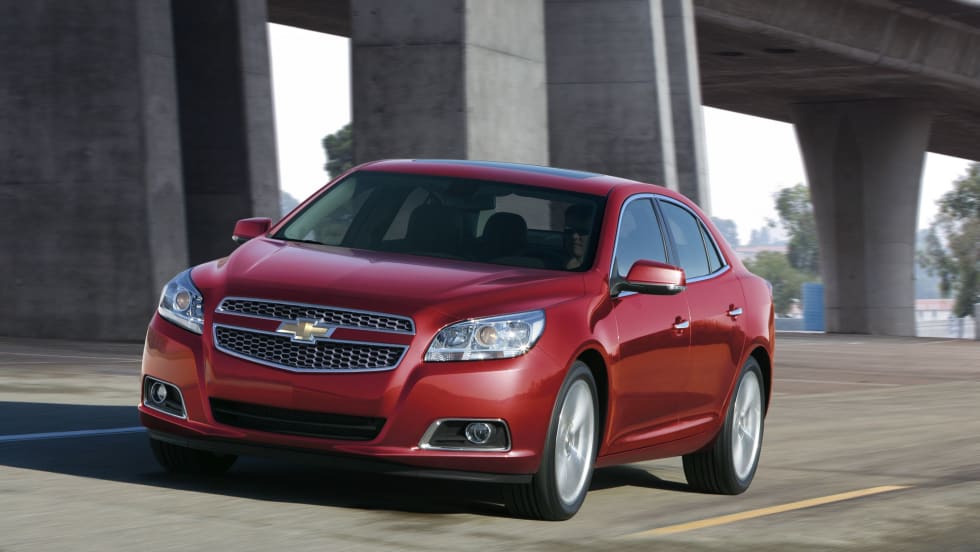
Read More →DETROIT – General Motors provided details on its 2013-MY Chevrolet Malibu sedan, which features an all-new 2.0L turbocharged engine. This model’s engine can produce 259 hp, has peak torque of 260 lb. ft., and has EPA-estimated fuel economy ratings of 31 city, 30 highway mpg.
Read More →