




Defining the Size of the ‘Fleet’ Market Isn’t Always as Easy as it Looks
'Automotive Fleet' defines a fleet as any commercial or public entity that operates 15 or more vehicles or buys 10 or more vehicles in a single calendar-year.

By now most of you should have received Automotive Fleet’s annual Fact Book. As usual it’s a treasure trove of data and information about the fleet market. But you might have noticed that a few of our traditional charts and graphs are no longer included. Some of the information is missing because we no longer have access to it (Thanks, IHS!), and some is missing because we are working hard to make sure everything we include in the Fact Book is as accurate as possible.
One data point that we regularly struggle with is determining the size of the market. And by market I mean fleets that operate light- and medium-duty vehicles in the U.S. That simple sentence contains a couple of very important words that sometimes have distinct definitions. When we say “fleet,” we don’t mean anyone who has more than one vehicle. “Fleet,” as we use the term, means any commercial or public entity that operates 15 or more vehicles or buys 10 or more vehicles in a single calendar-year. That’s a specific definition that most of the OEMs came up with years ago to define eligibility for fleet incentives. The next critical part of the sentence is “light- and medium-duty vehicles,” which, as far as we’re concerned, means any motor vehicle under 19,500 pounds. That’s everything from the increasingly rare sub-compact fleet vehicle up to the F-550s, TerraStars, and Ram 5500s that dominate our roads and keep our country moving on a daily basis.
So, now that we’ve defined the market, just how big is it do you ask? Well, in an average year, public and private sector “fleets” purchase about 900,000 vehicles. Somewhere between 75%-80% of those vehicles are trucks or vans. And, at any given time, the total population of fleet vehicles in our market is about 3 million commercially owned vehicles and about 1.5 million government-owned vehicles. So that’s a pretty substantial market. We have well over 20,000 entities that qualify as a “fleet” within our borders operating those vehicles.
There are another million or so commercial and public-sector entities that operate vehicles but don’t otherwise qualify as a fleet. Those entities purchase close to 1 million units per year and operate another 5 million vehicles on our roads. That’s Joe the Plumber and Bob the Builder and Larry’s Landscaping. They are a part of our market, but they don’t qualify for fleet incentives, and they don’t use fleet management services for the most part — so we don’t include them in most of our calculations.
Over 5% of all the vehicles sold in the U.S. each year wind up in a commercial or public fleet. Our little corner of the universe is responsible for $27 billion in vehicle sales. And that doesn’t even include the tires, oil, fuel, fleet services, and license and title expenses associated with those vehicles. It’s a huge market, maybe not quite as huge as some of our suppliers would like, but still we do more than our fair share to keep the wheels turning on the American economy.
If you disagree, let me know.
More Blog Posts

Getting a PhD in Fleet
COVID-19 has changed how fleets connect with each other but that doesn’t mean you have to give up the opportunity to grow, learn, and get better at managing your fleet.
Read More →
All Charged Up
There is an avalanche of new electric vehicles slated to hit the market in the next couple years. There are over 100 new models slated to hit by 2022 from the Big Three, the major imports, and from a lot of new start-ups.
Read More →
Fleet on the Rebound
Most of the key players in the fleet market are either stuck at home or working in an office but unable to travel. So we’re changing our business model to help maintain the flow of information until things get back to the way they were.
Read More →
Undertaking the Complexities of Fleet
Staying on top of industry trends to keep up with the intricacies of fleet can be a full-time job all by itself, and to be a top performing fleet requires a little forward thinking and anticipation.
Read More →
The Real Transportation Revolution
The fleet market is leading the charge on making real gains in efficiency and safety with telematics, in-cab video, and safety technologies that are available today.
Read More →
Stay Out of My Lane
Let’s get a framework in place and a legislative plan that allows us to develop autonomous vehicle technologies without putting lives at risk in the short term.
Read More →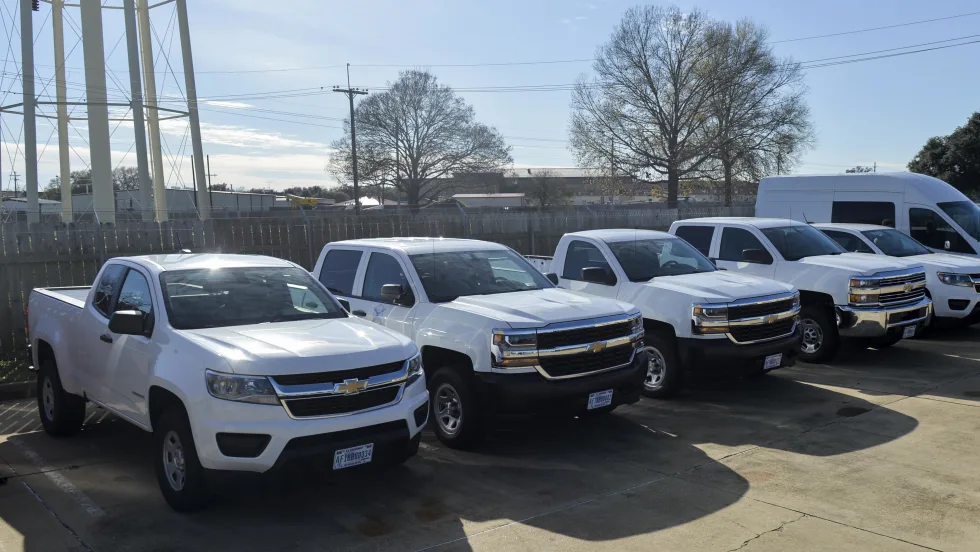
Wrapping Up Another Year
Thanks to the strong economy that the U.S. is enjoying, U.S. commercial companies have been able to invest more money into their fleets, and strong fleet sales are a reflection of that.
Read More →
AFLA's New Canadian Conference Continues Growth Tradition
Fleets know how valuable of a resource that AFLA conferences can be, and the upcoming summit in Canada will serve as another wealth of knowledge that the association has delivered for decades.
Read More →
The Next Chapter
It’s impossible to attend great fleet events like AFLA and not get caught up in why is has helped make the industry so great, but equally exciting is seeing how much the association is ready to take on the evolving industry that is fleet.
Read More →
Fleet Ground Zero
You are missing out on some potentially game changing information when you don’t get out to meet regularly with your peers.
Read More →