




Toyota's 2018 C-HR Enters Subcompact SUV Market
Toyota's 2018 C-HR will compete in the growing subcompact SUV category as a lifestyle-oriented crossover coupe with a stylish, sporty look and an eye toward safety.
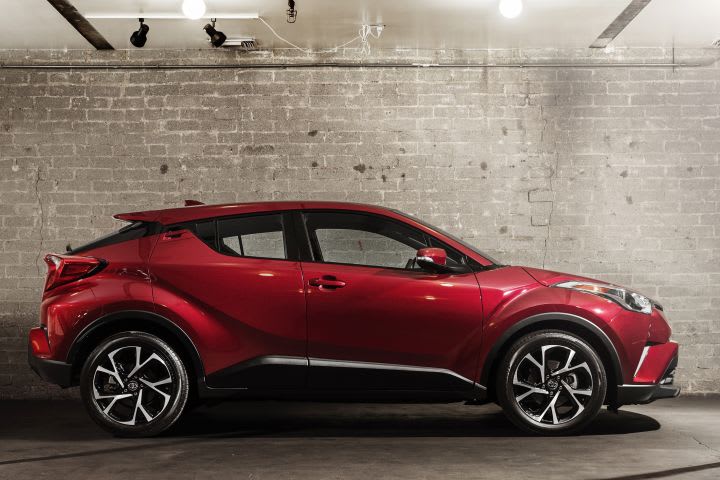
Photo of 2018 C-HR courtesy of Toyota.
Photo of 2018 C-HR courtesy of Toyota.
Toyota's 2018 C-HR will compete in the growing subcompact SUV category as a lifestyle-oriented crossover with a stylish, sporty look and an eye toward safety.
The C-HR, which stands for Coupe High-Rider, debuted on Nov. 17 ahead of the Los Angeles Auto Show at the AutoMobility trade show. Despite its name, the vehicle has five doors.
A 2.0L four-cylinder engine powers the vehicle. It produces 144 hp and 140 lb.-ft. of torque, and sends power to a front-wheel drivetrain through a continuously variable transmission.
Toyota will offer the C-HR in two trim grades, including the XLE and XLE Premium with standard equipment that includes 18-inch alloy wheels, dual-zone climate control, bucket seating, a 7-inch audi display, and the Toyota Safety Sense P (TSS-P) package.
In addition to TSS-P, the vehicle includes 10 standard airbags, standard Hill-Start Assist Control (HAC) and rear backup camera, as well as available Blind Spot Monitor with Rear Cross Traffic Alert, which are only available on the XLE Premium grade.
The vehicle is based on a concept car Toyota first showed two years ago. It will arrive at dealerships in the spring.
More Operations

90% Use Telematics. Are Fleets Getting Safer? | AF News Recap
This week, we're breaking down which industries have the highest rates, how Jamie McKay manages 2,400 vehicles, what's happening with the 2027 fleet awards, and why software-defined vehicles could introduce new costs.
Read More →
What's Best Handled by an FMC, and What's Better Done Directly?
Fleet managers continue to rely on FMCs for essential services but are taking a closer look at where working directly with suppliers can improve efficiency and responsiveness.
Read More →
Fleet Meets: Erin Gilchrist
Meet Erin Gilchrist, the inaugural Mike Antich Spirit of Fleet Award winner, as she shares insights on leadership, mentorship, the power of industry connections, and why people remain at the heart of fleet's future.
Read More →

How 2026 Fleet Visionary Jamie McKay Manages 2,400 Vehicles Across 37 States
How do you keep 2,400 vehicles running across 37 states? Fleet Visionary Award winner Jamie McKay shares how collaboration, flexibility, and a few simple strategies help her tackle fleet management challenges at Aptive Pest Control.
Read More →
Managing Fleet Costs in an Era of Permanent Volatility
Fleet operating costs have risen more than 20% since 2020, raising a key question: When does extending a vehicle's service life stop making financial sense?
Read More →
The Next Evolution of Fleet Management: Autonomous Operations
This opening keynote session at the Fleet Forward Conference highlights the future of autonomous driving for fleets.
Read More →
How to Reduce the Total Cost of Risk From Catalytic Converter Theft
A stolen catalytic converter can cost fleets far more in downtime and lost productivity than in repairs. A total-cost-of-risk approach can help fleet managers quantify their exposure and prioritize theft prevention.
Read More →
Personal-Use Charges Rise as Vehicle Values Fall | AF News Recap
Personal-use charges are climbing, wholesale used-vehicle values are declining, and commercial fleet sales growth is slowing. This week, we're breaking down the latest fleet data, plus how Element Fleet Management is helping Waymo prepare for its first Canadian robotaxi market.
Read More →
Here's When You Should Make an Exception to Fleet Policy
Fleet policies are designed to create consistency, but not every driver or situation fits neatly within standard rules.
Read More →
AI-Native or AI-Acquired: What Should Fleet Managers Look for in an AI Platform?
Six questions can help fleet managers look beyond AI marketing claims to evaluate integration, data access, and real-world operational performance.
Read More →