




GM Unveils All-New 2014-MY Chevrolet Impala in New York
NEW YORK - GM said it plans to offer three models of the 2014 Impala, the LS, LT and LTZ. The automaker is building the Impala at GM’s Detroit-Hamtramck, Mich., and Oshawa, Ontario facilities and plans to announce pricing at a later date.
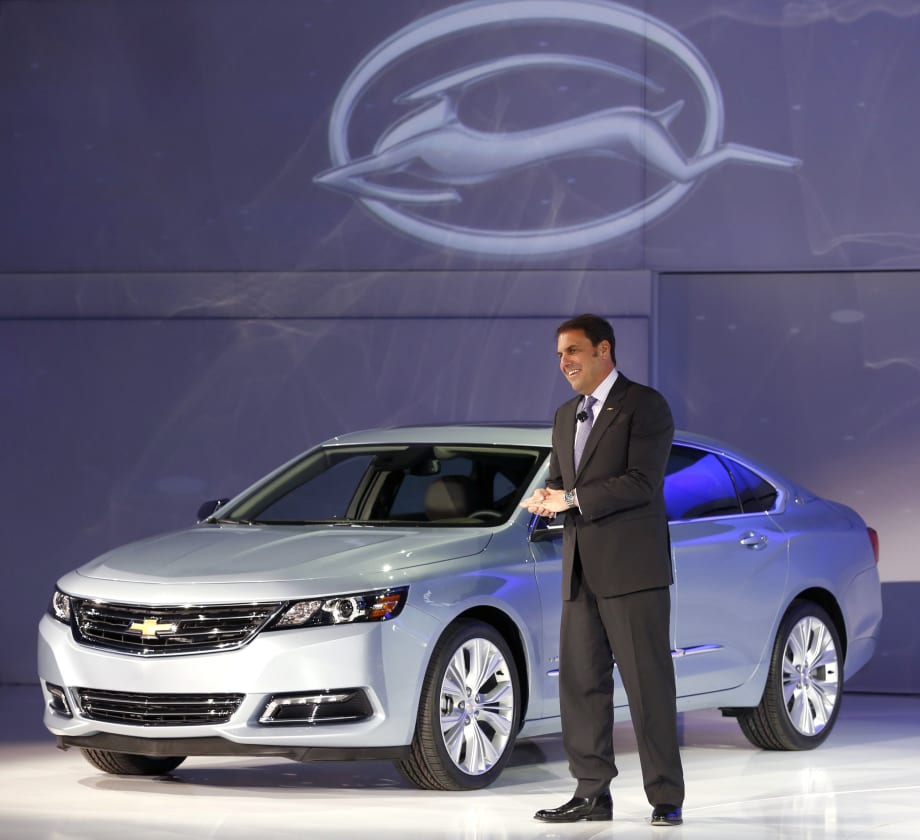
GM's Mark Reuss at the Impala unveiling.
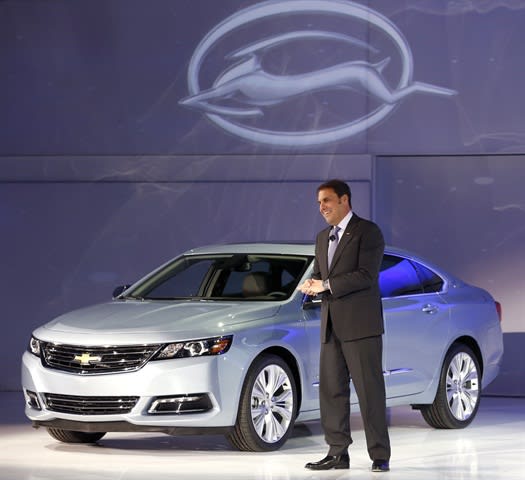
GM's Mark Reuss at the Impala unveiling.
NEW YORK – General Motors brought the next generation of its Chevrolet Impala, the 2014 model-year edition, to the New York International Auto Show. The automaker said this all-new model will go on sale in early 2013, and that it “completes the transformation of its North American passenger car lineup.”
GM said it plans to offer three models of the 2014 Impala, the LS, LT and LTZ. The automaker is building the Impala at GM’s Detroit-Hamtramck, Mich., and Oshawa, Ontario facilities and plans to announce pricing at a later date.
You can view a photo gallery with more images of the 2014-MY Impala here.
Before we get into the details, here’s an overview of the key features in the all-new Impala.
An all-new exterior design
Three engine options: a V-6, a new four-cylinder engine, and a four-cylinder engine paired with GM’s eAssist technology
An all-new interior
Chevrolet’s MyLink, which includes Bluetooth, audio streaming, and an available navigation system
Many safety features, including 10 standard airbags, OnStar, and a range of new driver assistance-based safety technologies
Now, to the specifics:
Performance
The all-new Impala’s three powertrain choices feature direct injection and include an Ecotec 2.5L four-cylinder engine capable of producing 195 hp, an Ecotec 2.4L engine with eAssist capable of producing 182 hp (GM said it expects this engine to get 35 mpg), and a 3.6L V-6 that can produce 303 hp. Each engine is matched with a six-speed transmission. GM hasn’t yet announced fuel economy numbers for the 2.4L with eAssist or the V-6.
GM said the 2014 Impala uses a MacPherson-strut front suspension and four-link rear suspension, along with an isolated front cradle and hydraulic ride bushing. Also, all the new Impala models feature an electric variable-assist steering system, which the automaker said helps reduce fuel use by using energy only when the driver turns the steering wheel.
Exterior
GM’s Chevrolet brand said the Impala’s design features a “wind-swept profile that suggests motion,” and that it tailored the available wheels to the body to provide the right stance. Up front, low-profile projector-beam headlamps (or HID headlamps and LED daytime running lamps on the LTZ model) “sweep around the corners.” A power dome hood is designed to emphasize performance, and the rear fenders acknowledge previous Impala designs, according to the automaker.
Interior
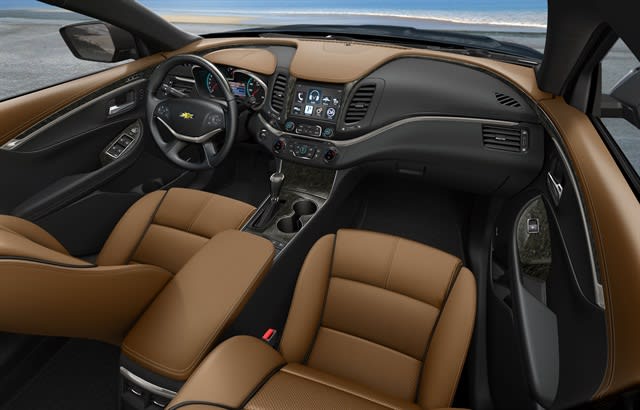
Inside, the 2014-MY Impala features Chevrolet’s dual-cockpit interior design. The instrument panel comes with an instrument cluster that features a 4.2-inch color display. The display lets users reconfigure the information displayed in the driver information center area. The 8-inch touchscreen, with concealed storage behind it, is paired with the available Chevrolet MyLink infotainment system. MyLink provides Bluetooth hands-free phone operation, audio streaming, and available navigation.
Chevrolet focused on creating a quiet cabin environment. The seats feature high-quality fabric, Ultrasuede and perforated leather and are bolstered for added comfort, according to GM. Occupants can fold the rear-seat head restraints to improve visibility when driving without passengers in the back seat.
Safety
The 2014-MY Impala features 10 airbags as standard. One new feature, a first in a Chevrolet vehicle, is full-speed-range adaptive cruise control, which uses radar to sense traffic in front of the vehicle and adjust its speed, including stopping and accelerating again. Another new first for a Chevrolet vehicle is collision mitigation braking, which uses radar to detect a potential crash, alerts the driver if one is about to occur, and brakes if the driver can’t react in time or doesn’t react. Other features include camera-based forward collision alert and lane-departure warning systems; a sensor-based side blind zone alert system; and rear cross traffic alert (which uses the radar sensors of the blind zone alert). The 2014-MY Impala also offers OnStar.
More Operations

Here's When You Should Make an Exception to Fleet Policy
Fleet policies are designed to create consistency, but not every driver or situation fits neatly within standard rules.
Read More →
AI-Native or AI-Acquired: What Should Fleet Managers Look for in an AI Platform?
Six questions can help fleet managers look beyond AI marketing claims to evaluate integration, data access, and real-world operational performance.
Read More →
A buyer's guide to fleet management software in 2027
Buying fleet management software in 2027 means looking beyond features and price. As fleet operations, technology and expectations evolve, this guide explores what today’s fleet professionals should consider when choosing a system that can deliver value now and adapt to what comes next.
Read More →

What Will Shape the Next Era of Fleet Management?
EVs, AI, and autonomous vehicles are reshaping fleet management. Discover what’s ahead—and how fleet leaders can prepare for the next era.
Read More →
How Fleets Can Recruit and Train Veterans for Technician Roles
Here's how the technician shortage has affected uptime for fleets, and what to do about it.
Read More →
Avis Budget Group Deploys Neology Toll Management Technology Across Major Brands
Neology’s neoFleet platform will manage toll transactions and toll-authority operations for vehicles across Avis, Budget, Payless, Budget Truck and Zipcar.
Read More →
Fleet Personal-Use Charges Edge Higher in 2026
Nearly eight in 10 surveyed fleets allow personal use of company vehicles, while just over half of respondents report charging employees for the privilege.
Read More →
The Future of Fleet + What’s Changing Right Now | AF News Recap
Could developments overseas offer a preview of what’s coming for U.S. fleets? This week, we’re looking at the future of AI, autonomy, and electrification, plus Ford Pro’s new certified pre-owned program, smarter vehicle offboarding, and a new way for fleets to manage toll expenses.
Read More →
How to Handle Vehicle Offboarding
What do fleet managers need to do when a driver leaves?
Read More →
Fleet Manager’s Ultimate Playbook: Navigating the New Standard in OEM Connectivity
Rising operating costs, driver safety concerns, and unplanned downtime are putting unprecedented pressure on modern fleets. Discover how fleet managers use embedded OEM connectivity and real-time vehicle data to cut TCO, prevent downtime, and protect drivers without aftermarket telematics hardware.
Read More →