




Crashes Account for 41% of Work-Related Accidental Deaths
Overall, the leading cause of accidental death in the U.S. is poisonings -- including drug overdoses -- according to a new report from the National Safety Council.

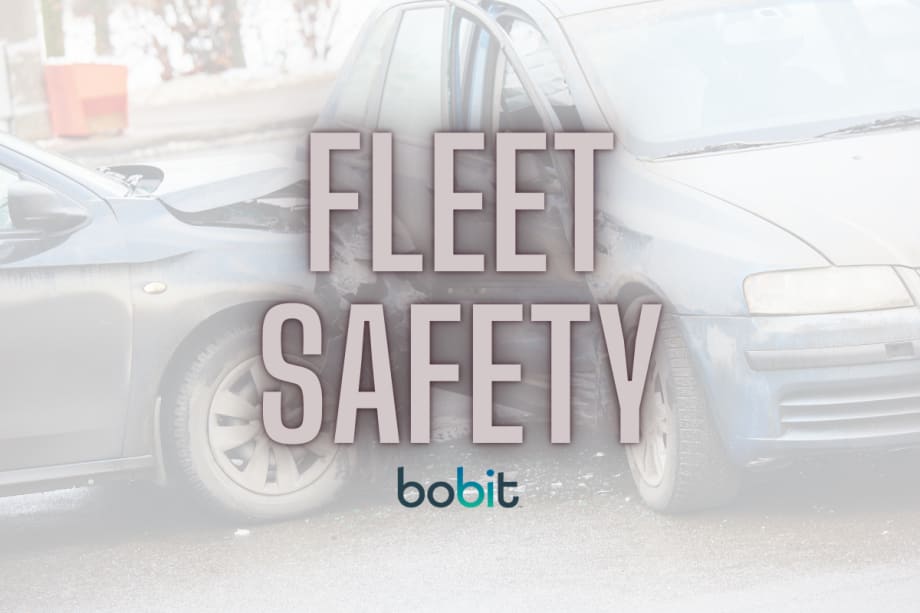
Transportation-related accidents accounted for 41% of work-related fatalities in the U.S. in 2015, according to the National Safety Council's latest report.
Photo: Bobit
Transportation-related accidents accounted for 41% of work-related fatalities in the U.S. in 2015, according to a new report from the National Safety Council. That same year, an estimated 478,000 injuries in the workplace likely involved fatigue or sleep problems.
The findings are included in the National Safety Council’s 2017 edition of Injury Facts, an annual publication that analyzes the most recent available data on preventable injuries and deaths in the U.S.
Overall, preventable deaths in the U.S. reached an all-time high in 2015, researchers concluded. More than 146,500 Americans died from such causes as drug overdoses, motor vehicle crashes, falls, choking and drowning.
“Approximately 58,000 fewer people would have died in 2015 if the preventable death rate had kept pace with the improving overall fatality rate,” the National Safety Council said in a summary of the report. Preventable incidents as a cause of death trailed only heart disease, cancer and chronic lower respiratory disease. Accidental deaths outpaced fatalities caused by strokes, diabetes and Alzheimer’s disease.
Poisonings were the leading cause of accidental deaths in 24 states and Washington, D.C. These poisonings included prescription opioid overdoses. The drug overdose epidemic has directly driven the overall rise in preventable deaths, the National Safety Council said. An American’s lifetime odds of dying from a poisoning are one in 96. The lifetime odds of dying in a motor vehicle crash are one in 114.
The annual societal cost of preventable injuries is $886.4 billion — the equivalent of 52 cents for every dollar an American spends on food, according to researchers. The National Safety Council hopes the data in the 2017 edition of Injury Facts will help future prevention efforts.
“Good data help us make good decisions, and Injury Facts gives us a roadmap for eliminating preventable deaths in our lifetime,” said Ken Kolosh, statistics manager and Injury Facts author at the National Safety Council. “We hope government officials, business leaders, safety professionals and anyone working to make the world a safer place will use Injury Facts to shape decision making and inform injury prevention efforts.”
More Safety
What’s Next for Fleet? Safety, AI & Industry Recognition | AF News Recap
Could your company's culture be encouraging distracted driving? This week, we're exploring how workplace expectations affect driver safety, what AI, EVs, and autonomous vehicles could mean for the future of fleet management, and how fleet professionals can strengthen their award nominations.
Read More →
Does Your Fleet's Culture Encourage Distracted Driving?
What happens when the people responsible for enforcing safety rules are the ones setting the wrong example? The answer may reveal why some of the biggest risks to fleet drivers have little to do with what's written in the employee handbook.
Read More →
Fleet Manager’s Ultimate Playbook: Navigating the New Standard in OEM Connectivity
Rising operating costs, driver safety concerns, and unplanned downtime are putting unprecedented pressure on modern fleets. Discover how fleet managers use embedded OEM connectivity and real-time vehicle data to cut TCO, prevent downtime, and protect drivers without aftermarket telematics hardware.
Read More →
From Driver Well-Being to EV Charging | AF News Recap
Mental health belongs in the fleet safety conversation. This week, we’re looking at five ways fleets can support employee well-being before a crisis, plus Holman’s expansion in Mexico, new one-day Fleet Forward passes, and why EV charging demand is outpacing infrastructure growth.
Read More →
Nexar-Nauto Merger Aims to Give Fleets Better Safety Intelligence Through Larger Driving Dataset
Stefan Heck tells Automotive Fleet that combining more than 10 billion miles of driving history with Nexar's AI models will give fleets deeper insights into driver risk and roadway conditions than either company could provide independently.
Read More →
Don't Wait for a Crisis: 5 Ways to Build Mental Health Into Your Fleet Safety Program
For Suicide Prevention Month, fleet and safety leaders have an opportunity to put mental health where it belongs: at the center of workplace safety.
Read More →
How Camera Data Can Strengthen a Fleet’s Insurance Renewal
Insights from a commercial insurance carrier and a broker show how fleets can turn video telematic data, driver coaching, and improved claims results into a stronger case at insurance renewal.
Read More →
The Safest Fleets Aren’t the Ones with the Most Technology
You’ve made the telematics investment. Here’s how to capture the other half of its value and build the safest fleet on the road.
Read More →
Hidden in Plain Sight: Fleet Compliance Risks
Fleet compliance isn't just about having policies — it's about consistently enforcing them. This practical guide reveals six hidden compliance risks common in public sector and shared fleet operations and outlines proven strategies to improve visibility, accountability, and audit readiness
Read More →
NETS Sets 2026 Fleet Safety Benchmark Conference for Indianapolis
The Sept. 15–17 program will feature fleet benchmarking data, case studies, emerging technologies, and implementation strategies while running alongside the NSC Safety Congress & Expo.
Read More →