




Delivery Fleet's Van Reaches 500,000 Miles
Delivery fleets are always on the road, putting miles on their vehicles faster than most other vocational fleets. While newer vehicles are extending lifecycles beyond previous models, one fleet van hit the half-million-mile mark.

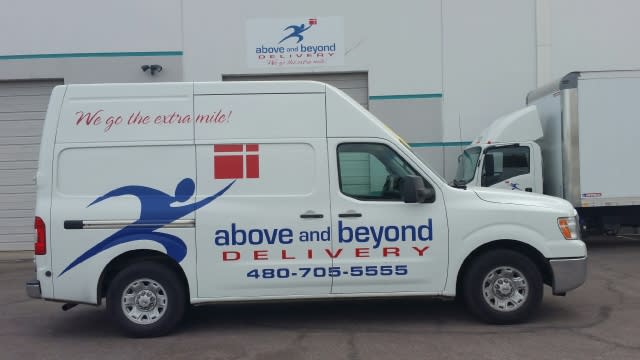
After adding it to the delivery fleet, the 2012 model-year Nissan NV3500 traveled more than 550,000 miles.
Photo courtesy of Above and Beyond Transportation
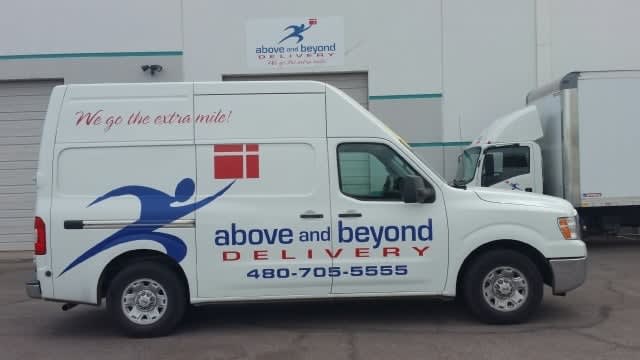
After adding it to the delivery fleet, the 2012 model-year Nissan NV3500 traveled more than 550,000 miles. (Photo: Above and Beyond Transportation)
With customers depending on the company to make on-time deliveries, Above and Beyond Delivery must have a solid vehicle fleet ready to do its job, and go above-and-beyond the call of duty.
Providing such services as delivery, last-mile warehousing, platinum cargo logistics, as well as operating a semi-truck division, the company depends on its vehicles to last. The fleet of 41 vehicles includes 20 Nissan NV3500 vans, eight semi-trucks, eight 16- to 26-foot trucks, and five 12-foot box trucks.
One major vehicle success story revolves around a Nissan NV3500 van.
Saving from Extended Lifecycles
Above and Beyond purchased the 2012 model-year Nissan NV3500 new.
“Nissan launched the NV as a purpose-built vehicle for the U.S. market. We believe the body-on-frame design of our vehicle is key to our durability and reliability success we have, even in difficult high-mileage applications, such as those in which Above and Beyond operates,” said Mark Namuth, senior manager, Fleet & Commercial Sales for Nissan North America.
Since adding it to the delivery fleet, the van has traveled more than 550,000 miles. While most of its fleet vehicles range between 40,000 to 80,000 miles, they do have a few units that have hit 200,000-250,000 miles, units that run seven days a week, year round, but the half-million mile mark was a milestone.
“This was the first time we used a Nissan vehicle. We had previously used other trucks and were having to turn them in at 100,000 miles, or move them to a different route where we could continue using the vehicle,” said Jorge Aguirre, operations manager for Above and Beyond Delivery.
The vehicle hit the milestone in only two years, and was turned in with 562,000 miles on it. “But, I’m confident we could have run it another year,” Aguirre said.
Making a Vehicle Last
The delivery fleet performed an aggressive maintenance schedule on the van, doing oil changes every seven to eight days, with tire rotations at each change.
“We did two sets of front brake changes, the front brakes at 208,271 miles and the full set at 414,995 miles. We did the front brakes again at 485,600 miles,” Aguirre explained. “We also changed the alternator and battery at 382,690 miles, and the A/C blower at 494,184 miles.”
But, otherwise, the vehicle did not need any other major maintenance or repair jobs. “Nissan is a great product and we are super happy with the high-roof Nissan NV3500. Our drivers are happy with the layout — they don’t have to crouch down to get to their freight.”
The drivers are also enjoying the safety benefits of the vehicle. “The van is also safe. One of our Nissan vans had a head-on collision with a tractor-trailer and the driver was able to walk out, and the engine still worked!” Aguirre said.
Nissan knows its vans can live up to the test but cautions, “As with all vans, the basic principle is to job-rate your vehicle and make sure you have the right vehicle for your application. Specifically referring to payloads, just because a vehicle can hold 6,000 pounds of cargo doesn’t mean you can load it that way. Ensuring payloads are water level loaded and in alignment with the vehicle’s GVWR is one key to longer-living vans of all makes,” said Namuth of Nissan North America.
The Bottom Line
While extending vehicle lifecycles should be carefully researched, and maintenance schedules should be under constant upkeep, it is possible to push a vehicle beyond expectations.
“This experience has shown us that some vehicles’ life expectancy is longer than you think, and with others you know that at 100,000 miles you will be switching out the engine and transmission,” Aguirre said.
Originally posted on Work Truck Online
More Vehicle Research
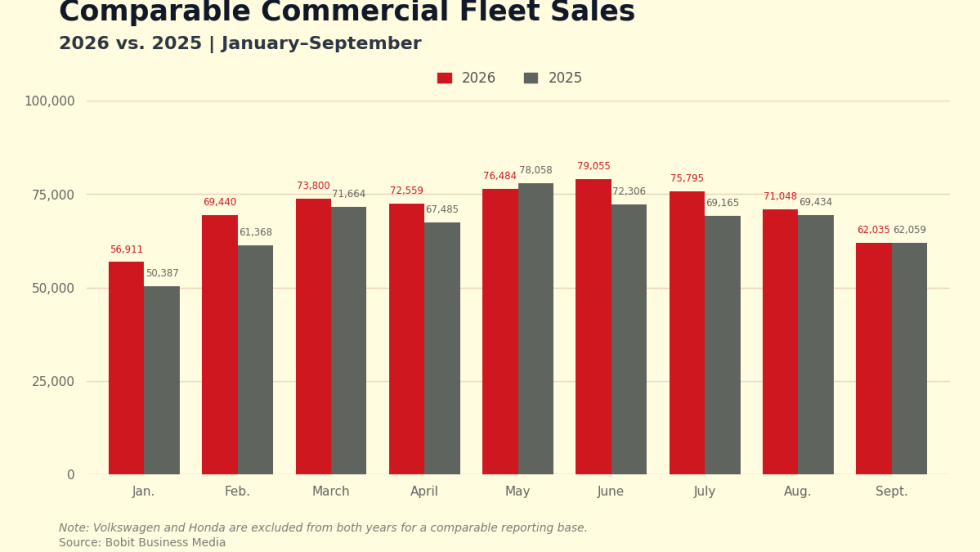
Commercial Fleet Sales Rise 5.8% Through September 2026
September commercial fleet sales were essentially unchanged from a year earlier, slowing year-to-date growth while keeping volume ahead of 2025.
Read More →
Hall of Fame Inductee: John Dmochowsky
The longtime Mondelēz International fleet executive joins the Automotive Fleet Hall of Fame.
Read More →
Hall of Fame Inductee: Lee Miller
After more than four decades at Boehringer Ingelheim, Lee Miller leaves a legacy built on fleet expertise.
Read More →
Hall of Fame Inductee: Mark F. Petersen
From managing fleets of thousands of vehicles to advancing safety and mentoring fellow professionals, Mark F. Petersen made his mark across both the corporate and supplier sides of fleet.
Read More →
When Charger Downtime Becomes a Fleet Availability Problem
As EV deployments move beyond pilot programs, charger reliability can directly affect vehicle readiness, driver productivity and route scheduling.
Read More →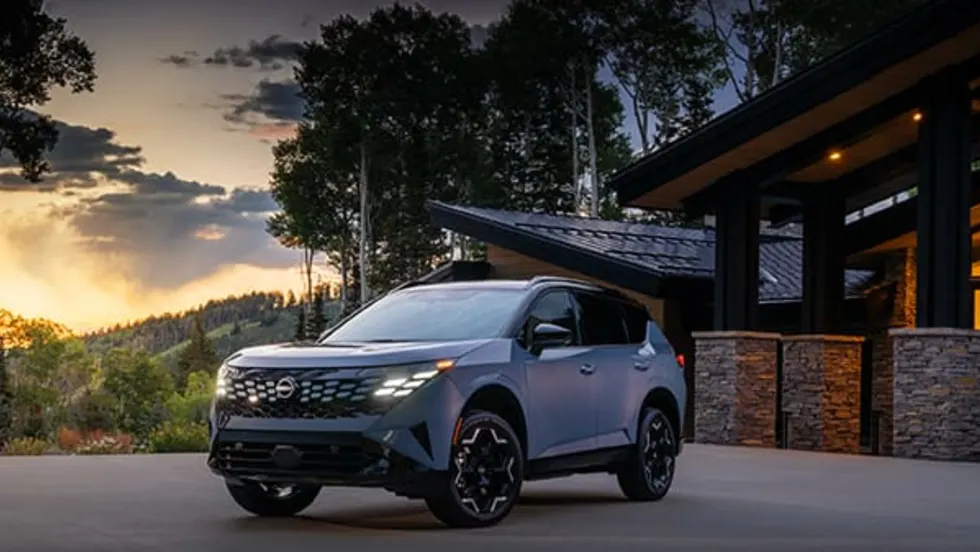
2027 Nissan Rogue Hybrid Adds e-POWER, Standard AWD
The new Rogue Hybrid uses Nissan’s e-POWER system with dual electric motors, offers an estimated 40 mpg and starts at $35,490.
Read More →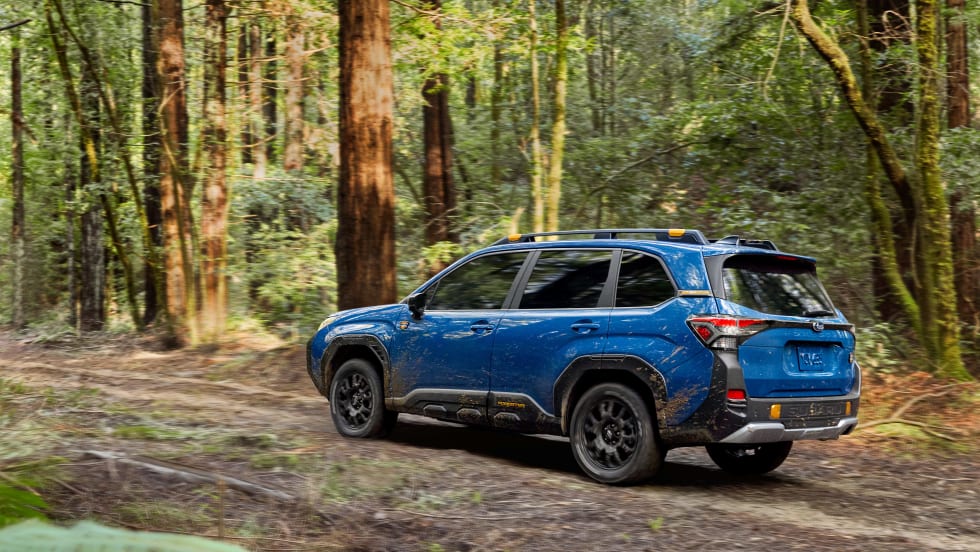
2027 Subaru Forester Adds First Wilderness Hybrid
The 2027 Forester lineup starts at $29,995 and adds a Wilderness Hybrid with 194 combined horsepower and 9.3 inches of ground clearance.
Read More →
EV Realty Names Henrik Holland President as Charging Platform Expands
The former Prologis Mobility and Shell executive will help expand EV Realty’s truck charging business and move its power-first infrastructure model into autonomous vehicle depots and other fleet sectors.
Read More →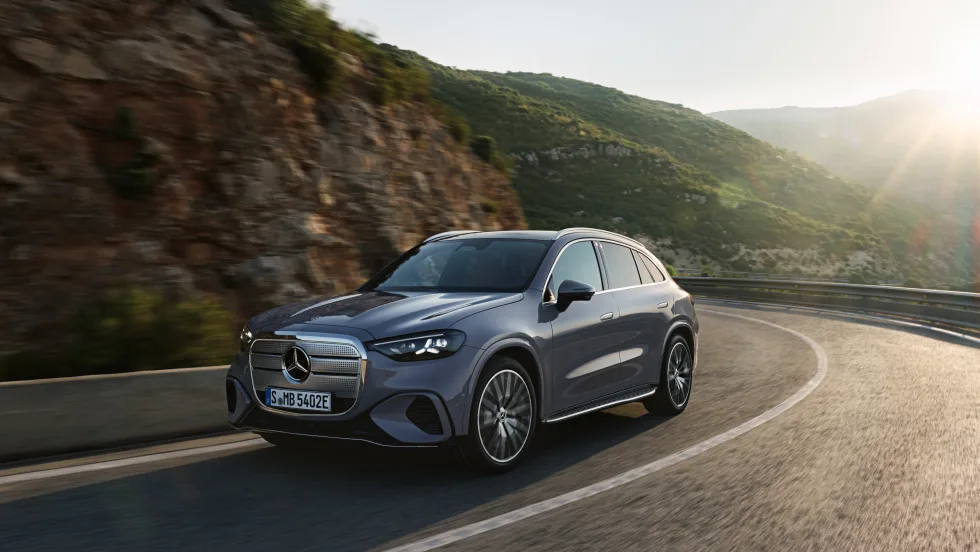
Mercedes-Benz Introduces Electric GLC With Up to 350 Miles of Range
The GLC 400 4MATIC Electric features an 800-volt architecture, 330-kW DC fast charging and a 94-kWh battery, along with Mercedes-Benz's new MB.OS operating system.
Read More →
Fleet Has a Talent Pipeline Problem, not a Talent Problem
Where will the next generation of fleet leaders come from, and what does the industry need to do differently to find them?
Read More →