




Overview: Indian Fleet Market
The Indian economy has been experiencing dramatic growth. “But, what is impressive is that 95 percent of the growth in India is due to internal growth,” said John Carter, managing director for ORIX Australia & New Zealand. “It is almost all internal growth.”
The Indian economy has been experiencing dramatic growth. “But, what is impressive is that 95 percent of the growth in India is due to internal growth,” said John Carter, managing director for ORIX Australia & New Zealand. “It is almost all internal growth.”
One of the key challenges in India is inflation. “Inflation is running at 10 percent in India,” said Carter, who recently took over responsibility for all ORIX fleet activities in India. “Fuel has experienced a 7- to 8-percent increase in price. Food inflation is even higher, running at 30 percent.”
Some economists predict that by 2020, India will become the fourth largest car market in the world.
“The Indian car market, which was growing 20-30 percent in previous years, has experienced a year of relatively flat growth. In fact, between June and October 2011, volumes came down over the prior year. There has been a 50-percent growth in the luxury segment (Audi, BMW, and Mercedes-Benz), but, compared to China, volumes are not significant in this category. The main reasons for the slowdown in growth are high interest rates, high inflation, and a sharp rise in fuel prices. In particular, there has been a shift toward a preference for diesel cars, which still benefit from a greater degree of government subsidy. Next year is also expected to remain flat in terms of market growth,” said Suvajit Karmakar, country head – sales & marketing for ALD Automotive in India.
There are 28 states in India. “A truck has to register in every province,” Carter said.
“India has complex regulations with regard to vehicle pricing, taxes, registration, and usage, and rules differ in each of its 28 states and seven union territories. In each state, there are different VAT rates and rules applicable, and there are complexities in the formalities required for registration, transfer, and sale of cars. Unlike Europe, leased vehicles must be registered in the name of the lessee (as the lessee has physical possession of the vehicle during the lease term), whereas the legal ownership continues to be with the lessor. Furthermore, a car registered in one state must ideally be used and sold in the same state to avoid double taxation and other complexities,” Karmakar said. “The Indian car leasing market is about 15 years old, with nearly 10 players operating in the market.”
However, there is much room for the fleet leasing market to grow in India in relation to the overall size of the automotive market.
“The car leasing market is, to a large extent, not proportional to the growth of the car market in the retail sector. Also, the corporate fleet market has not grown to the same extent as the retail market,” Karmakar said.
The composition of the fleet market in India is similar to that found in other regions, such as Europe and Australia.
“The corporate car market in India can be broadly divided into two segments. First, where the car is provided as a perk or as a tax-saving device and, second, where the car is a requirement for staff to carry out their duties efficiently (tool for trade),” Karmakar said. “The perk segment today occupies the major part of the corporate fleet market, where the company primarily facilitates a structure whereby an employee can take a car and save tax as the cost outflow for the car comes from the employee’s pre-tax salary. The tool-for-trade segment is a comparatively newer and smaller segment, but provides a strong opportunity for growth, especially for leasing companies. In India, for most companies, the field staff is still reliant on their own methods of transport, such as public transportation or personal vehicles, including two-wheelers and cars.”
--By Mike Antich
More Global Fleet
Holman Takes Full Ownership of ARIZA in Mexico
Holman is bringing its Mexican fleet management operation fully under its own brand after more than 30 years as a joint venture. The change gives multinational fleet customers a single Holman operation across the U.S., Canada, and Mexico.
Read More →
Proven Ways to Reduce Work Truck Downtime
The age-old problem of downtime will always be a reality, but with new strategies at hand, fleets have more ways to keep trucks on the road longer.
Read More →
The Top 300 Commercial Fleets
The Top 300 Commercial Fleets: See the List
Read More →

Cameras, Safety and Insurance: From Reactive Claims to Real-Time Prevention (Part 2 of 2)
Part Two: Commercial auto remains one of the most challenging and costly lines of coverage for fleet operators and insurers alike. Continue learning more about how to effectively address these issues from Onur Aksan, Enterprise Business Development Executive, Geotab
Read More →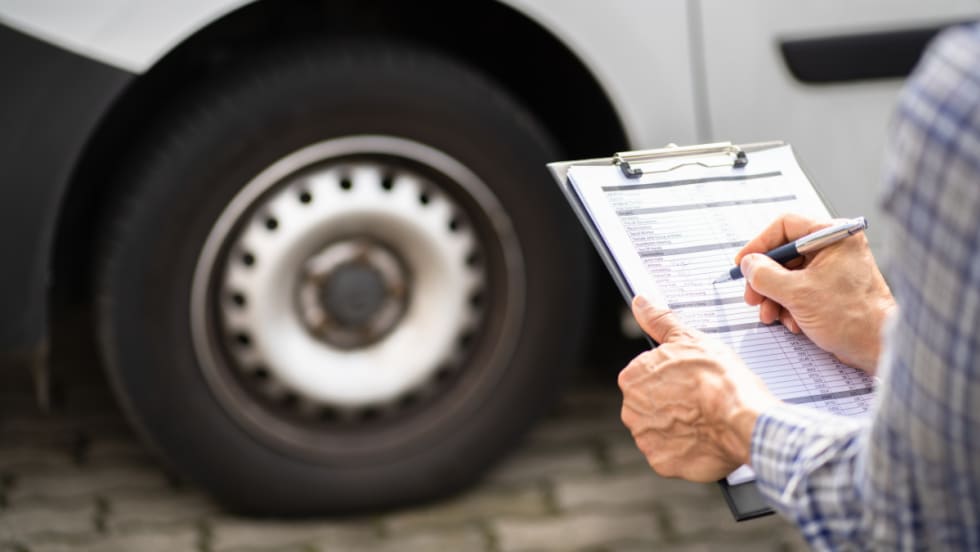
Cameras, Safety and Insurance: From Reactive Claims to Real-time Prevention
Commercial auto remains one of the most challenging and costly lines of coverage for fleet operators and insurers alike. Learn more about how to effectively address these issues from Onur Aksan, Enterprise Business Development Executive, Geotab.
Read More →
Fleet Costs Are Rising: Here’s How Leaders Are Responding
Fleet leaders are under pressure to reduce costs, adapt to economic uncertainty, and make smarter decisions. See how peers across North America are responding with real data, proven strategies, and forward-looking insights. Download the 2026 Market Pulse Report to benchmark your strategy and uncover where you can gain an edge.
Read More →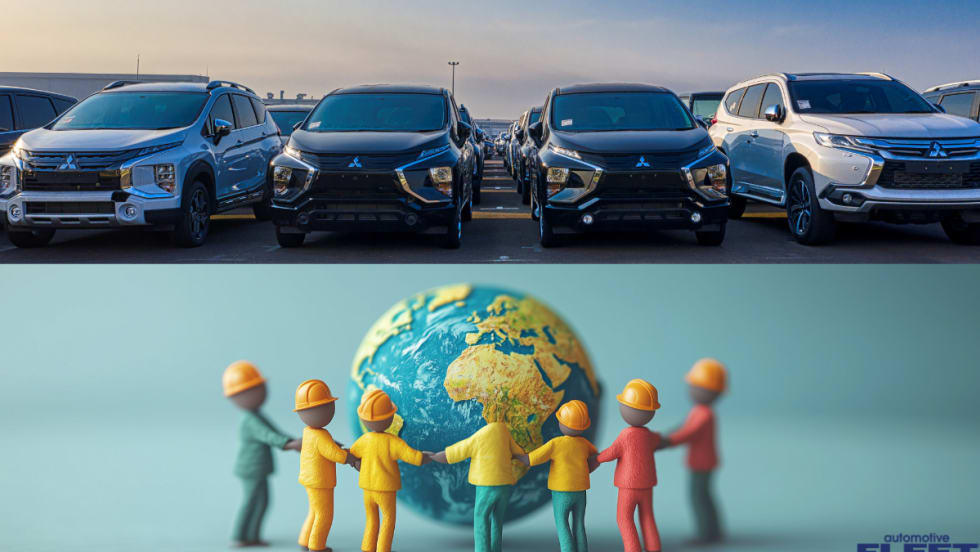
Enterprise Fleet Management Surpasses 900,000 Vehicles in U.S. & Canada
Enterprise Mobility connects with mobility solutions around the globe
Read More →
Automotive Fleet's Guide to Fleet Electrification
Unlock the secrets to a successful transition to electric fleets with Automotive Fleet's comprehensive Fleet Electrification Guide!
Read More →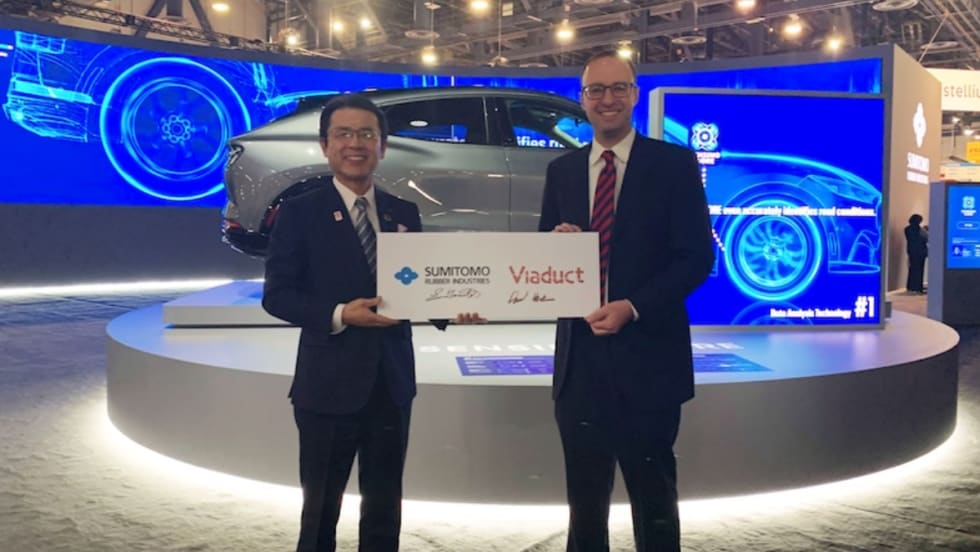
Sumitomo Rubber Industries to Acquire Viaduct
Viaduct will join Sumitomo as an independent subsidiary. Partnership strengthens global reach and accelerates AI-driven innovation for fleets and manufacturing.
Read More →