




Employees Using Company Vehicles to Moonlight as Uber Drivers
A growing number of employees have been caught using their company vehicles as a tool to generate supplemental personal income for themselves.The fastest-growing trend in unauthorized usage of company vehicles is working as an Uber or Lyft driver. But using company vehicles to moonlight goes far beyond Uber and Lyft.

Personal use of company-provided vehicles is a long-accepted practice at most companies. But, lately, a growing number of employees have been caught using their company vehicles as a tool to generate supplemental personal income for themselves.
This is not a new phenomenon, but, anecdotally, there appears to be a recent uptick in this activity. I am increasingly hearing from fleet managers about employees who are using company vehicles to moonlight for a second job. The fastest-growing trend in unauthorized usage of company vehicles is working as an Uber or Lyft driver. But using company vehicles to moonlight goes far beyond Uber and Lyft. Other moonlighting activities involving unauthorized use of a company vehicle include those employed in part-time direct sales, such as Avon, or for pizza delivery by children of employees, who, as a family member, are authorized to drive a company vehicle.
Nor is this phenomenon restricted to passenger cars, service technicians have been known to use company vans to moonlight for their personal business. One common example are employees working for companies involved in landscaping, plumbing, or home improvement, and how they make a deal with prospective customers after a job estimate was rejected because of price. Unscrupulous employees will offer to do the job at a lower price, on their personal time, often using corporate assets, such as the company vehicle and the tools it carries. Another example occurs in Snow Belt areas involving employees with access to snow plows, and who use these corporate or municipal assets to clear out snow-bound neighbors for a personal fee.
These incidents should raise all kinds of red flags in the minds of fleet managers, such as the heightened risk of vicarious liability or negligent entrustment exposure, not to mention the negative impact on brand image, along with unnecessary wear and tear to a vehicle and reduced resale value due to higher mileage.
Control Use of Corporate Asset with Fleet Policy
The best way to address the issue of moonlighting that involves corporate assets is through fleet policy that specifies permitted usage. Fleet policy should include:
Prohibition of loaning the vehicle to unauthorized users, hiring it out to others, using it in any livery operations, or any other enterprise not approved by the company.
Prohibition of attaching equipment, such as trailers, snowplows, winches, or luggage carriers for personal business.
Prohibition of towing of trailers, boats, or campers.
Prohibition of overloading vehicles or transporting more passengers than available safety belts.
It is important to make fleet policy flexible enough to cover various situations, especially new trends, such as e-ride-hailing services. If fleet policy lists prohibited vehicle uses, be sure to include the qualifying phrase, “including, but not limited to.”
Fleet Policy needs to be Recommunicated
It important to impress upon employees there will be accountability and possible repercussions for unauthorized use of company vehicles. For instance, require drivers to sign a statement that lists the restricted uses of company vehicles with the acknowledgement that the employee driver understands and agrees to follow company policy. Because different policy violations may call for different consequences, don’t be too specific unless specificity is required. For example, fleet policy can simply state, “Unauthorized personal use of a company vehicle may result in loss of vehicle privileges, or more serious discipline up to and including discharge.”
One important safeguard of fleet policy is to reduce respondeat superior liability. The term “respondeat superior” is a legal concept that, in this context, essentially states, “As long as an employee is using a company vehicle to perform work for the company, the company can be held responsible if the employee gets into an accident with that vehicle.” Therefore, if policy prohibits employees from using vehicles for specific types of personal use, and, for example, an employee gets into an accident while moonlighting, a company can use this fleet policy rule to argue it is not liable for the accident.
Preventing an employee from obtaining outside secondary employment is typically not legal. Instead, employers should focus their attention on areas of legitimate business concern when addressing the matter of outside employment. Conflict of Interest policies, typically developed by HR, are standard components of employee handbooks and cover many of the areas concerning employees’ secondary employment. There are several important stipulations covered in a Conflict of Interest Policy that are applicable to prohibiting the personal use of company-provided vehicles for personal gain, such as:
Employment with the company is considered primary employment.
Company time and materials are not to be used for non-company endeavors.
No fleet policy can be 100% successful in preventing employees from abusing personal use privileges, but, it can inhibit them and spell out the consequences of doing so. Fleet policies are crucial to operating a well-managed fleet. As the fleet manager, you need to not only communicate fleet policy to employees, but, more importantly, you need to recommunicate it on a regular basis. When it comes to fleet policy, there is no such thing as being redundant.
Let me know what you think.
mike.antich@bobit.com
More Blog Posts
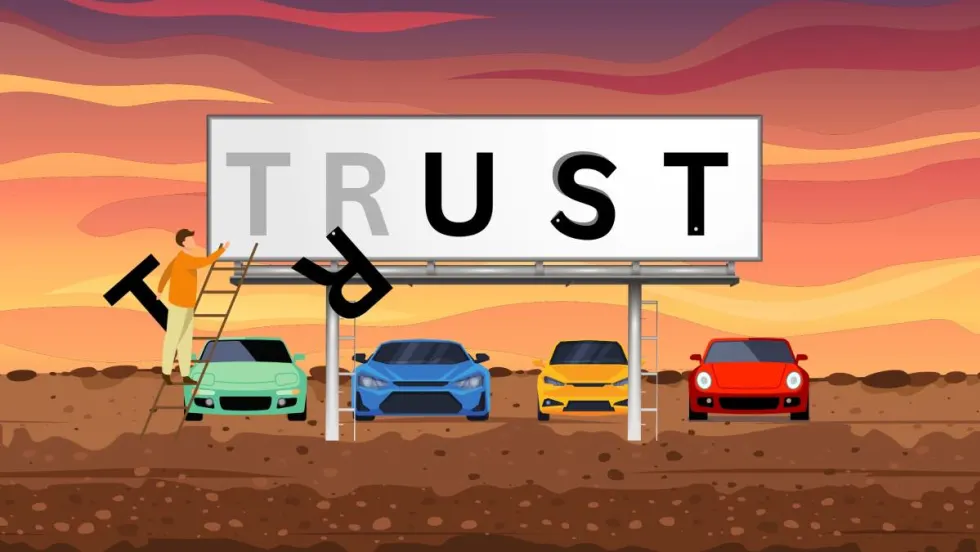
Fleets Want Trust Restored with Suppliers
During this period of ongoing supply constraints, the trust that fleet managers had with OEMs, upfitters, and dealers has been strained. Fleet managers say they have had too many experiences over the past three years coping with erroneous information, adjusting to multiple price increases, and feeling betrayed by inadequate transparency from suppliers.
Read More →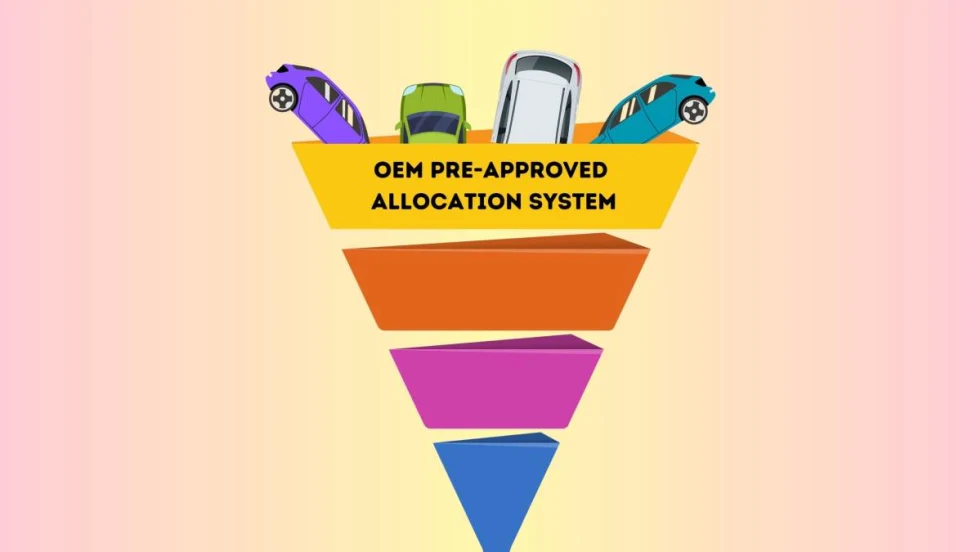
Scheduled Replacement Cycles Are Becoming a Distant Memory
The ongoing difficulty in sourcing replacement vehicles is forcing companies to extend the service lives of vehicles that are unable to be replaced, which, inevitably, increases unscheduled maintenance expenses.
Read More →
Fleet Simplification is the Antidote to Asset Variability
Fleet simplification identifies asset functions to uncover commonality among the equipment and assets. Simplification increases operational efficiency as end-users become accustomed to the controls, displays, and operation of less diverse units.
Read More →
The Dangers of Static Fleet Policies
A fleet policy is a living document, flexible enough to adapt to evolving business priorities, developing industry trends, and changing industry best practices and standards.
Read More →
Short-Term vs. Long-Term Cost Reductions
Corporate procurement staff are often driven by short-term, immediate cost reductions. However, a longer perspective to soft cost savings is critical because fixating on short-term results will hurt a company in the long run.
Read More →
Uptick in Unscheduled Maintenance Increasing Vehicle Downtime
Fleet data analysis can identify recurring downtime issues. It’s important to determine the root causes of downtime so procedures can be developed to minimize such problems.
Read More →
Eliminate Needless Curb Weight to Maximize ICE & EV Efficiencies
Vehicle weight relates directly to fuel economy. In today’s era of electrification, there is also a direct correlation between vehicle weight and battery range.
Read More →
Tech Dependence Risks Dumbing Down Fleet Manager Expertise
The line between creative thinking and problem solving and doing what the data indicates is thin. To lead in fleet management, you need to balance understanding the fundamentals and embracing what smart technology offers.
Read More →
Leverage the Synergy of Safe Driving to Achieve Sustainability and Cost Goals
Safe driving, emission reductions, and cost containment can all be achieved at the same time.
Read More →
The Playbook for Fleet Manager Success
There are many paths to success — most of them involve being flexible, open-minded, and willing to learn.
Read More →