




Osram Sylvania Moves to Vehicles With Four-Cylinder Engines to Reduce Emissions
DANVERS, MA – Lighting products company Osram Sylvania has made major changes to its fleet of vehicles in the U.S. in order to meet corporate emissions reductions goals.
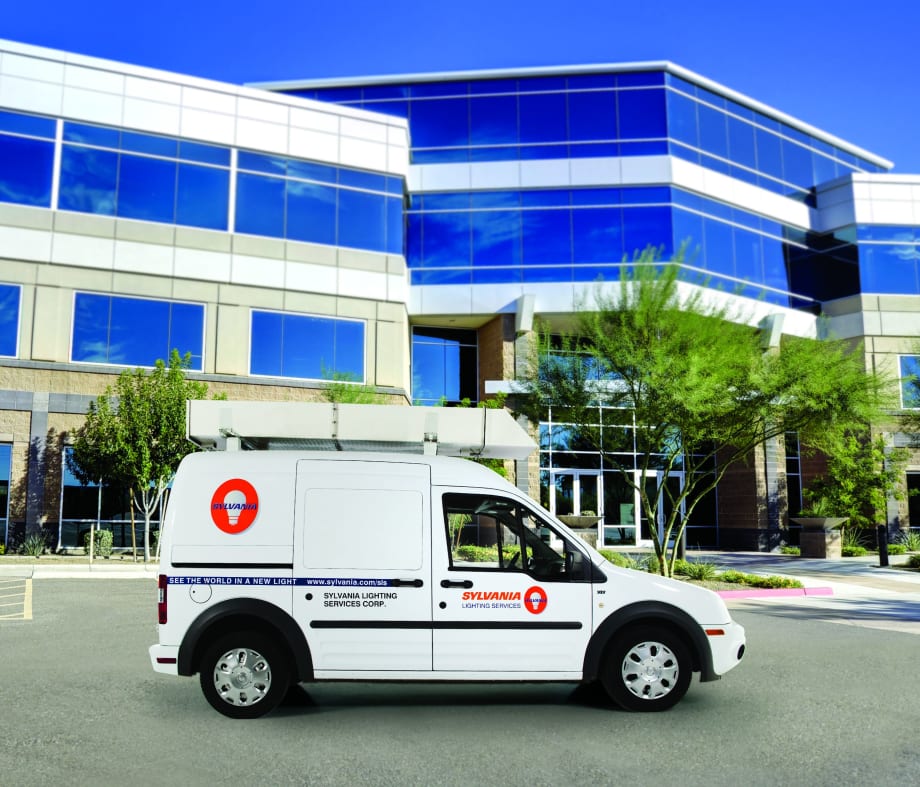
One of the company's Sylvania Lighting Services fleet vehicles.
One of the company's Sylvania Lighting Services fleet vehicles.
DANVERS, MA – Lighting products company Osram Sylvania has made major changes to its fleet of vehicles in the U.S. in order to meet corporate emissions reductions goals. Overall, the company has successfully reduced its corporate absolute greenhouse gas emissions by 20% since 2006. Originally, Osram Sylvania had pledged to reduce its corporate greenhouse gas emissions by 10% between 2006 and 2011.
The majority of Osram Sylvania's fleet resides within Sylvania Lighting Services (SLS), the company’s lighting services and maintenance division. Part of the company’s improvement effort involved changing its fleet composition significantly. This included replacing vehicles with larger displacement engines with smaller engines, adding clean diesel-certified vehicles to its fleet, and implementing a corporate-wide program to reduce idling and speeding.
Osram Sylvania has a total of 1,180 vehicles, according to Jennifer Dolin, manager of sustainability and environmental affairs. Out of that total, 800 are service vehicles (375 bucket trucks, 375 vans and utility vehicles, 30 box trucks, and 20 large aerial/crane trucks), and the rest consist of 80 pickup trucks in a motor pool and 300 SmartWay certified passenger vehicles for SLS and all corporate sales divisions.
Dolin explained that it replaced 75% of its full size eight-cylinder pickup trucks over the last 4 years and plans to replace the remaining 25% this year, all with smaller four-cylinder pickup trucks. The company also replaces 8 - 10% of its service fleet each year in order to cycle out older, inefficient models, replacing them with new, certified clean-idle vehicles and those that don’t need to idle when operating an aerial device. For the aerial trucks, Osram Sylvania is using a direct drive battery system, which eliminates the need for Power Take Off and any need to idle while operating the aerial device.
The company also has programs and training for its drivers that are designed to reduce emissions.
“We have a strict company vehicle speed limit policy in place and educate our drivers on regular scheduled fleet/safety meetings,” Dolin explained. “We also have an anti-idling policy in place in addition to educating our drivers on federal/state and local regulations/ordinances for vehicle idling.”
Osram Sylvania was recognized in 2011 by the U.S. Department of Energy’s National Clean Fleets partnership for its efforts to reduce emissions.
By Greg Basich
More Fuel
Fuel Prices Surge in September | September Fuel Update
September brought major fuel price swings, including diesel crossing $6 a gallon. Here’s how gas and diesel prices changed throughout the month, and where they stood heading into October.
Read More →
Turning Fleet Payment Data into Executive Insights
Ramel Lindsay of U.S. Bank Voyager discusses how fleets can transform payment and transaction data into actionable intelligence to reduce costs, improve oversight, and support executive decision-making.
Read More →
Why the IRS Raised Its Mileage Rate in the Middle of 2026
Fuel-price volatility drove the rare increase to 76 cents per mile, the fifth midyear adjustment since 2000.
Read More →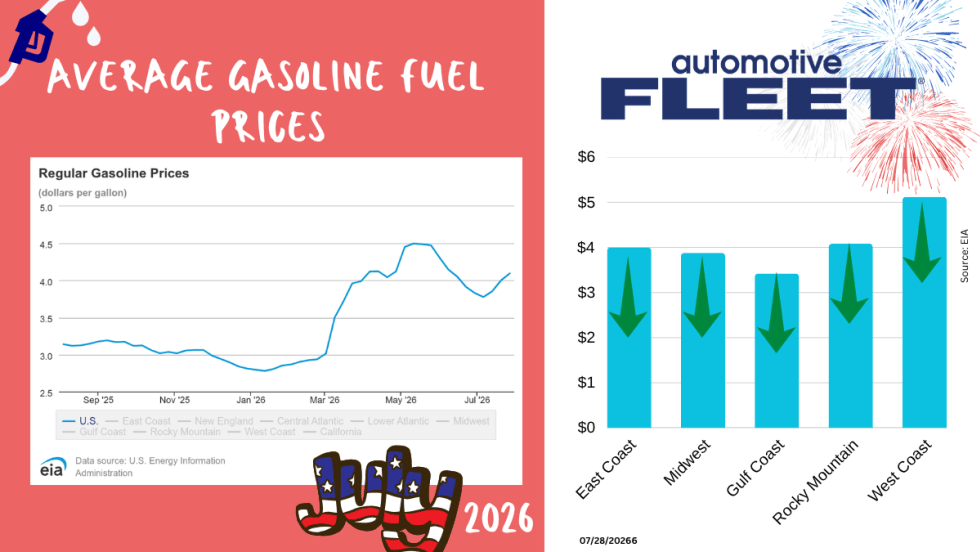
July Fuel Update: Prices Keep Rising in Light of More Conflict
Gas prices continue to rise as more and more conflicts do, too.
Read More →
Bob Adamsky on Fuel Volatility: "Don't Panic, Have a Plan."
When it comes to up and down fuel prices, Adamsky has a message for fleets: “Don’t panic.”
Read More →
How Fleets Can Gain Control of Non-Fuel Spend
Fuel often gets the spotlight, but non-fuel expenses can have a major impact on fleet costs. Ramel Lindsay of U.S. Bank Voyager discusses how fleets can gain better visibility and control over these often-overlooked expenditures.
Read More →
Fuel is Just the Start: How Middle East Tensions are Driving Up Fleet Maintenance Costs
The Middle East conflict is doing more than pushing up fuel prices. It’s also raising the cost of key maintenance products your fleet depends on, from motor oil to tires to windshield wipers. Here’s what you need to know about this budget-busting situation.
Read More →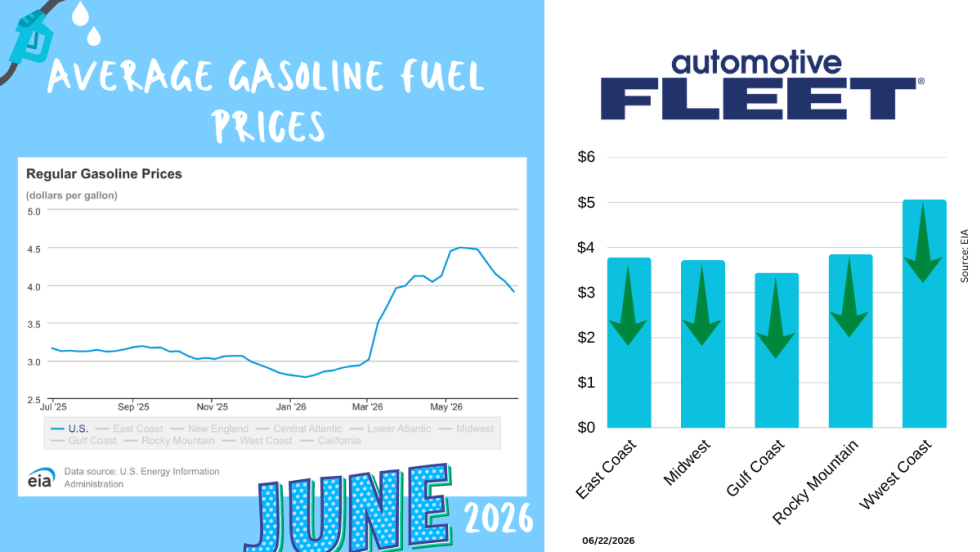
June Fuel Update: Prices Fall Below $4
Drivers are finally getting some relief at the pump. The national average gas price has dropped below $4 a gallon for the first time in months, with prices falling in 47 states as oil markets react to developments in U.S.-Iran negotiations.
Read More →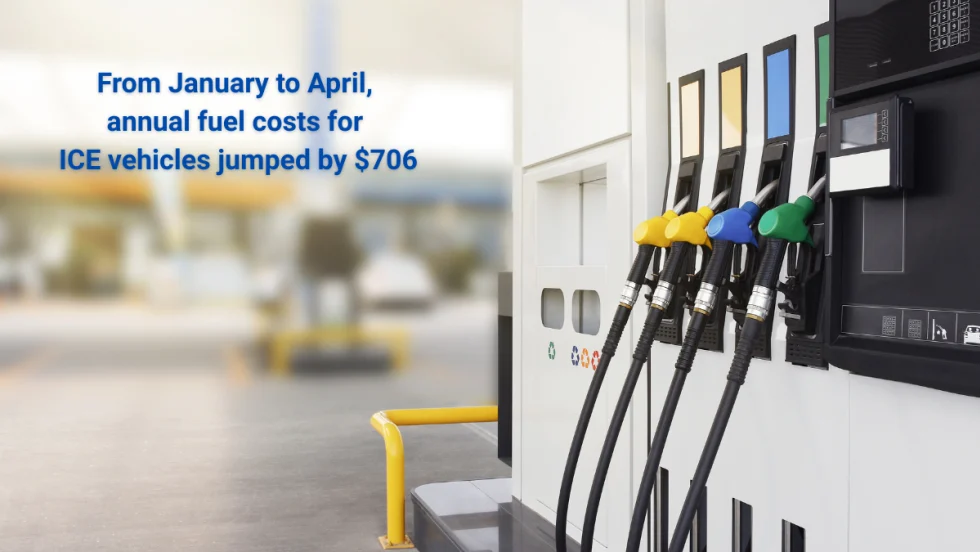
Study: How 2026's Gas Price Hikes Affect Different Vehicle Types
New data from iSeeCars reveals how rising fuel costs have affected different vehicle segments as gasoline prices climbed nearly 46% over the past four months.
Read More →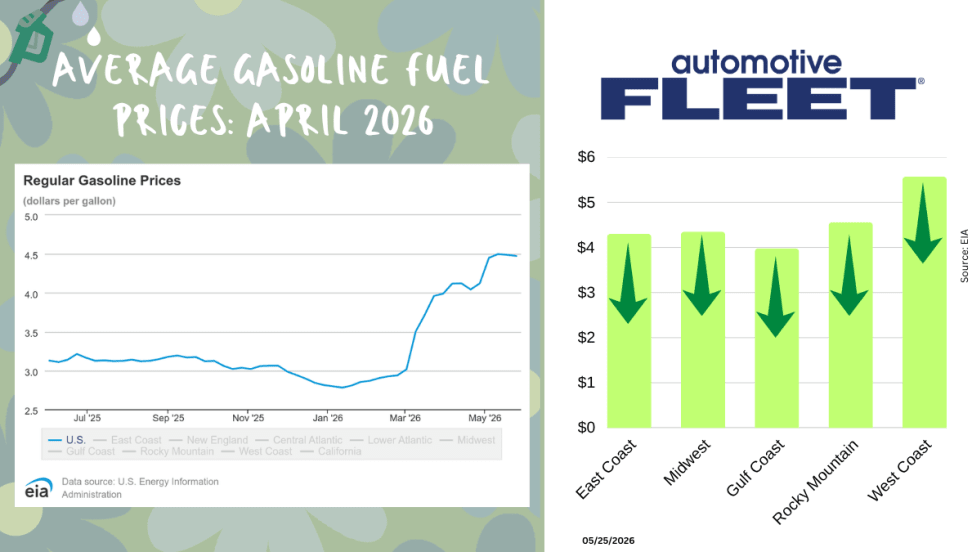
May Fuel Update: All Regions Experience Declines
Gas prices are finally easing in much of the country, but experts warn global tensions could quickly reverse the trend as the national average remains well above last month’s levels.
Read More →