





elated: COVID-19 Offers Opportunity to Make a Dent in the Technician Shortage
Post COVID-19 Fleet Initiatives to Focus on Cost Reduction & Utilization
Although we’re still in the midst of the pandemic, a glimpse of its impact on fleet management in a post-COVID-19 world is emerging.
April 6, 2020
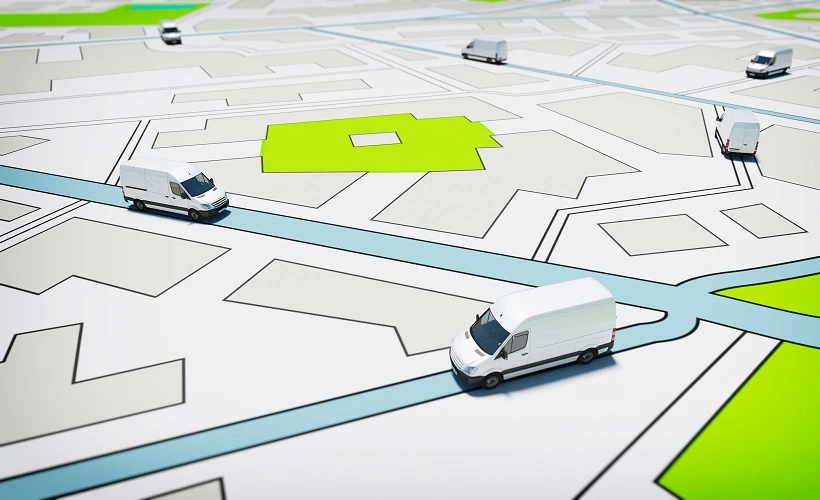
Photo: alphaspirit
5 min to read
A “black swan event” is a metaphor to describe an event that unexpectedly changes an existing paradigm. One example of a Black Swan event of yesteryear was the unexpected OPEC Oil Embargo of 1973, which ushered an era of vehicle and engine downsizing that continues to this day, fundamentally changing the types of vehicles operated by fleets. I would classify the COVID-19 pandemic as another Black Swan event that was not predicted, with a global impact that is affecting the people of 182 countries.
Although we’re still in the midst of the pandemic, a glimpse of its impact on fleet management in a post-COVID-19 world is emerging. The shelter-in-place mandates directing employees to work from home has brought about an increase in the use of web-enabled enterprise conferencing tools, such as Microsoft Teams, Google Hangouts, and Zoom, as well as a spike in online ordering and last-mile deliveries.
Many of these work-from-home policies will most likely persist as a more mainstream business practice; as will the growing preference to buy online a wide spectrum of goods and products. Similarly, the trend to telemedicine and videoconferencing, in the long-term, will have an impact on the size of fleets operated within the health-care and pharmaceutical industries.
Once the pandemic subsidizes, your fleet management strategy must be proactive and not reactive. I believe there will be a renewed and even stronger pressure from management to keep a lid on fleet costs.
While this pandemic-induced business slowdown has put temporary downward pressure on fleet expenses, such as fuel, accident management, and tolls, veteran fleet managers who have implemented numerous cost saving initiatives will tell you that savings are more difficult to find with the law of diminishing returns taking hold. They point out that most excess costs have already been wrung out of the operation.
Total Fleet Costs are Proportional to Fleet Size
There will continue to be uncertainty and complications affecting business operations following the aftermath of COVID-19 pandemic. Proactively, you need to reassess your fleet’s business model. The best place to start is with a vehicle utilization study.
A fleet’s total cost is directly proportional to the total number of vehicles in operation, which drives all fixed and operating costs, such as fuel, replacement tire expenses, depreciation, accident repair costs, etc. If you can reduce overall fleet size, all other cost categories will decrease correspondingly.
One of the best explanations about the relationship between fleet size and fleet cost was provided to me by the City of Philadelphia, which, during a 2004-2005 fleet reduction initiative, it quantified this relationship into an equation. It was explained to me that fleet size is the super-variable driving overall costs. The aggregate fleet costs (FC) can be represented by the below equation:
FC = [A + R/M + F + I/O] x #V
(FC = fleet costs, A = acquisition expenditures, R/M = repair/maintenance costs, F = fuel costs, I/O = indirect/overhead costs, and #V = number of vehicles.)
The equation is calculated for each vehicle class (using averages for the four variables) and then summed to determine aggregate fleet costs. Regardless of how well costs are managed and efficiencies generated for the first four variables, total fleet costs will always be proportional to the overall fleet size.
However, utilization strategies do vary by industry and are being impacted differently by the pandemic. For instance, many industries transport work crews in a single vehicle to a job site. At many fleets, there is ongoing deliberations about social distancing concerns about the merits of transporting multi-member work crews in a single vehicle. If the decision is made to limit the number of employees in a single vehicle, it could very well increase vehicle acquisitions and increase overall fleet size.
Downward Pressure on Resale Values
As businesses continue with shelter-in-place directives, sales activity is low, and will likely remain low through the end of May. In the short term, the supply of used vehicles will increase as a result of the temporary closure of physical auctions, combined with lower demand due to low-income consumers having limited disposable income for vehicle purchases. A large percentage of out-of-service fleet vehicles are purchased by low income buyers, many of whom have been laid off or furloughed.
The forecast is that resale prices will decline 15-20% in the wholesale market. As a result, some fleet managers are holding off on taking vehicles out of service until resale market improves. Compounding this problem is that there has been a massive decline in leisure and business travel, which has depressed vehicle rentals. Rent-a-car companies are de-fleeting to right-size their fleets commensurate to market demand. While most rental companies are storing these vehicles until rental activity increases or resale values improve, these units will add to the overall used-vehicle inventory in the wholesale market.
Adversity Proves the Value of Fleet Managers
When uncontrollable market forces disrupt fleet operations, as they are today, it takes the expertise of a professional fleet manager to mitigate the financial impact and to unravel unexpected operational complications.
Without an in-house professional fleet manager, the situation at many company would be a lot worse. It is during times of crisis that the value of a professional fleet manager is most apparent. As the pandemic recedes, fleet managers will need to proactively develop utilization strategies that will meet management directed cost reduction goals, while minimizing the impact on operational efficiencies.
Let me know what you think
Subscribe to Our Newsletter
More Blog Posts

Fleets Want Trust Restored with Suppliers
During this period of ongoing supply constraints, the trust that fleet managers had with OEMs, upfitters, and dealers has been strained. Fleet managers say they have had too many experiences over the past three years coping with erroneous information, adjusting to multiple price increases, and feeling betrayed by inadequate transparency from suppliers.
Read More →
Scheduled Replacement Cycles Are Becoming a Distant Memory
The ongoing difficulty in sourcing replacement vehicles is forcing companies to extend the service lives of vehicles that are unable to be replaced, which, inevitably, increases unscheduled maintenance expenses.
Read More →
Fleet Simplification is the Antidote to Asset Variability
Fleet simplification identifies asset functions to uncover commonality among the equipment and assets. Simplification increases operational efficiency as end-users become accustomed to the controls, displays, and operation of less diverse units.
Read More →
The Dangers of Static Fleet Policies
A fleet policy is a living document, flexible enough to adapt to evolving business priorities, developing industry trends, and changing industry best practices and standards.
Read More →
Short-Term vs. Long-Term Cost Reductions
Corporate procurement staff are often driven by short-term, immediate cost reductions. However, a longer perspective to soft cost savings is critical because fixating on short-term results will hurt a company in the long run.
Read More →
Uptick in Unscheduled Maintenance Increasing Vehicle Downtime
Fleet data analysis can identify recurring downtime issues. It’s important to determine the root causes of downtime so procedures can be developed to minimize such problems.
Read More →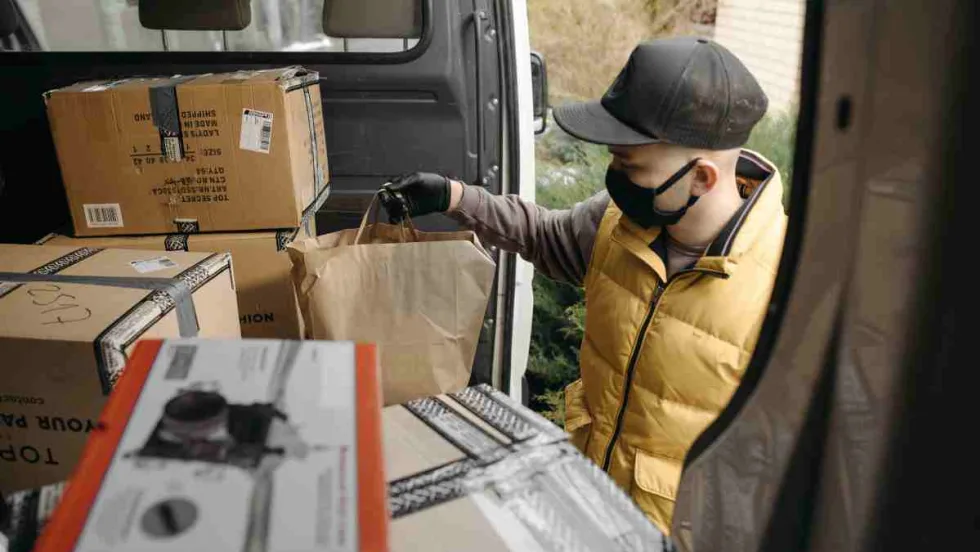
Eliminate Needless Curb Weight to Maximize ICE & EV Efficiencies
Vehicle weight relates directly to fuel economy. In today’s era of electrification, there is also a direct correlation between vehicle weight and battery range.
Read More →
Tech Dependence Risks Dumbing Down Fleet Manager Expertise
The line between creative thinking and problem solving and doing what the data indicates is thin. To lead in fleet management, you need to balance understanding the fundamentals and embracing what smart technology offers.
Read More →
Leverage the Synergy of Safe Driving to Achieve Sustainability and Cost Goals
Safe driving, emission reductions, and cost containment can all be achieved at the same time.
Read More →
The Playbook for Fleet Manager Success
There are many paths to success — most of them involve being flexible, open-minded, and willing to learn.
Read More →