




Why Did Calstart Rebrand as Catalyst Mobility?
The newly renamed nonprofit will combine with Forth in 2027 as the clean transportation nonprofit expands its programs and presence beyond California.

Automotive Fleet
- Calstart has rebranded as Catalyst Mobility as part of its strategy to enhance its impact in clean transportation.
- The nonprofit plans to merge with Forth in 2027, signaling a significant organizational development.
- The rebranding and merger aim to extend Catalyst Mobility's programs and influence beyond its original focus in California.
*Summarized by AI
After more than three decades as Calstart, the clean transportation nonprofit changed its name to Catalyst Mobility on Sept. 14.
President and CEO Michael Berube announced the name change during the Forth Roadmap Conference. He also announced that Forth, a nonprofit focused on transportation electrification, will combine with Catalyst Mobility at the beginning of 2027.
Calstart was founded in California more than 30 years ago and has since expanded its work nationally and internationally. In a Q&A with Automotive Fleet, Berube said the organization's geographic reach and the growth of the clean transportation industry influenced the name change.
“The name ‘Calstart’ no longer tells the full story — we’re no longer starting, and neither is clean transportation. The technology is ready and proven, the partnerships between industry and government are sustainable, and we are now a global organization with more influence and capacity than ever before.
With this in mind, and with inspiration from our revitalized mission and vision, we created a name that would reflect our scope and maturity in the industry.”
What Changes Under Catalyst Mobility?
Catalyst Mobility has adopted a renewed mission focused on programs, policies and technologies related to clean transportation. Berube said the name change does not represent a departure from the organization's previous work.
“Our new name and brand better reflect the scope and impact of our work today, but the purpose that has driven us from the beginning remains the same. We’re here to advance and accelerate clean transportation, to help build a future where clean, equitable, and affordable mobility solutions move all people and goods.
What’s changing is our ability to pursue that mission at a greater scale, with broader expertise, stronger partnerships, and an expanded reach.”
Forth will become part of Catalyst Mobility at the start of 2027. Forth's work includes electric vehicle and charging infrastructure programs as well as programs involving agriculture and micromobility.
The combination is expected to give the organization access to additional funding sources and expand its programs and technical assistance. Catalyst Mobility also plans to establish a regional office in Portland, Ore., where Forth is headquartered.
“By aligning our complementary strengths and missions, we are creating one of the largest and most broadly representative clean transportation organizations in the world. This new nonprofit will have greater access to diverse funding streams, while offering comprehensive programming and technical assistance on a global scale.
The combination with Forth also allows Catalyst Mobility to expand its national footprint in the Pacific Northwest with a regional office in Oregon, where Forth's headquarters is located.”
Policy Priorities Are Changing
Berube said changes in federal incentives and regulations are affecting the organization's policy priorities, while states continue to pursue their own clean transportation policies.
“This market has had a fair share of ups and downs. The federal incentive landscape has shifted, which has made the regulatory environment more challenging. At the same time, states have been propelling the industry forward by driving policy into action. In turn, our policy priorities are adjusting to that reality.”
He said the focus is on the conditions needed for fleets and businesses to adopt zero-emission transportation.
“The question is not whether zero-emission transportation will grow, but how we create the market conditions, infrastructure, and regulatory certainty necessary for American fleets and businesses to compete in that transition.”
Right-Sizing Vehicles and Charging
For commercial fleets operating Class 2b and heavier vehicles, Berube identified matching vehicles and charging infrastructure to duty cycles as an area of opportunity.
“Right-sizing the vehicle and the charging infrastructure to the actual duty cycle is one of the biggest opportunities fleets still underestimate. In most cases, operators do not need as many chargers, as high-powered chargers, or as much vehicle range as they assume they do.”
Berube identified total cost of ownership, infrastructure, policy, and outreach and education as the same four broad barriers to adoption that fleets faced three years ago. He said progress has been made within those categories.
“The four categories of barriers we faced three years ago remain the same: total cost of ownership, infrastructure, policy, and outreach and education. What has changed is the pace of progress against each of them. As vehicle technology continues to improve, those barriers will keep coming down.”
Quick Answers
Calstart rebranded as Catalyst Mobility to better reflect its expanded mission and programs in clean transportation beyond California.
*Summarized by AI
More Articles

Robots Could Be Coming to Your Job Description
Fleet managers may never oversee robotic workforces at their organizations. Some likely will. Start understanding the technology now and where you might fit in.
Read More →
Company Vehicle or Reimbursement? How Fleets Are Rethinking Assignments
As fleet costs and insurance pressures rise, fleet managers are taking a closer look at which employees need company-provided vehicles and when a reimbursement program may make more sense.
Read More →
Fleetio, ASE Launch Scholarship Program for Automotive Technicians
The second annual program will award 15 scholarships totaling $35,000 to support ASE certification, testing fees, and equipment costs.
Read More →
Can AEB Really Prevent Intersection Crashes? | AF News Recap
This week we covered the latest AEB test from AAA, a new scholarship opportunity, and Holman's huge leadership change.
Read More →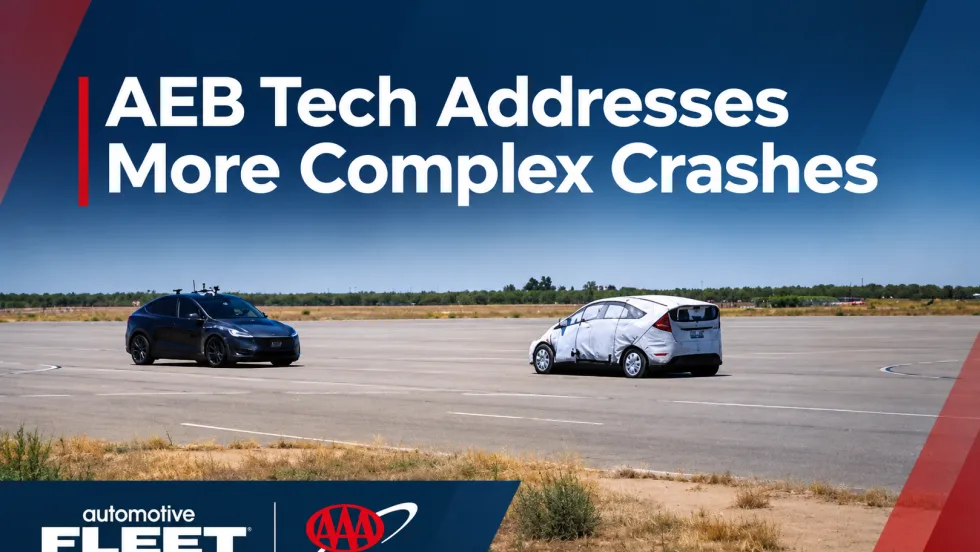
AAA Testing Finds Gaps in Intersection AEB Crash Prevention
Testing of four 2026 model-year vehicles found that automatic emergency braking prevented collisions in standardized intersection scenarios, but three vehicles failed to avoid crashes when another vehicle turned into their path.
Read More →
Everything You Need to Know About Renewable Diesel
Learn how renewable diesel works, how it differs from biodiesel, and what work truck fleets should know about costs, emissions, and performance.
Read More →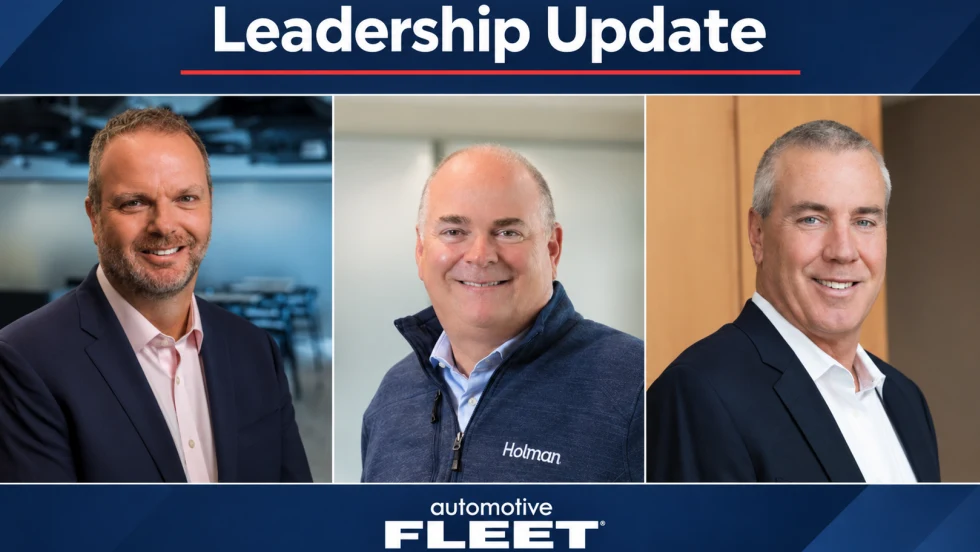
Holman Announces Fleet Leadership Changes as Bob White Retires
Nick Caller will become president of Fleet, while Mark Bryan will take on the role of executive vice president and chief operating officer of Fleet, effective Jan. 1, 2027.
Read More →
Reading the Global Signals: What AI and the Energy Transition Mean for Fleets Now
In this opening keynote of the 2026 Fleet Forward Conference, John Rossant, founder of CoMotion, How can fleet managers navigate a never-ending, changing industry landscape?
Read More →
IAASC Moves to Acquire Auction Academy, Expand Industry Leadership Development
IAASC is negotiating to acquire Auction Academy from TPC Management, with plans to expand leadership development and retain Penny Wanna as president.
Read More →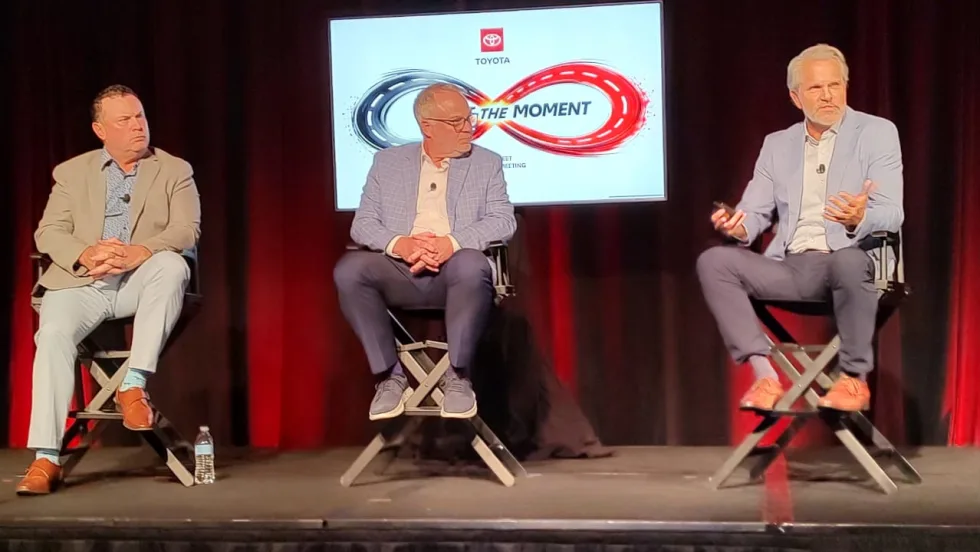
Toyota Fleet Briefs Fleet Leaders on Rapidly Growing Fleet Service Program, Successes of Hybrids, and Supply
During the annual Toyota Fleet Executive Meeting, fleet leaders learned about Toyota’s legacy of driving fuel efficiency with hybrids, its investments in U.S. production, the early success of Toyota Fleet Service Advantage, and much more.
Read More →