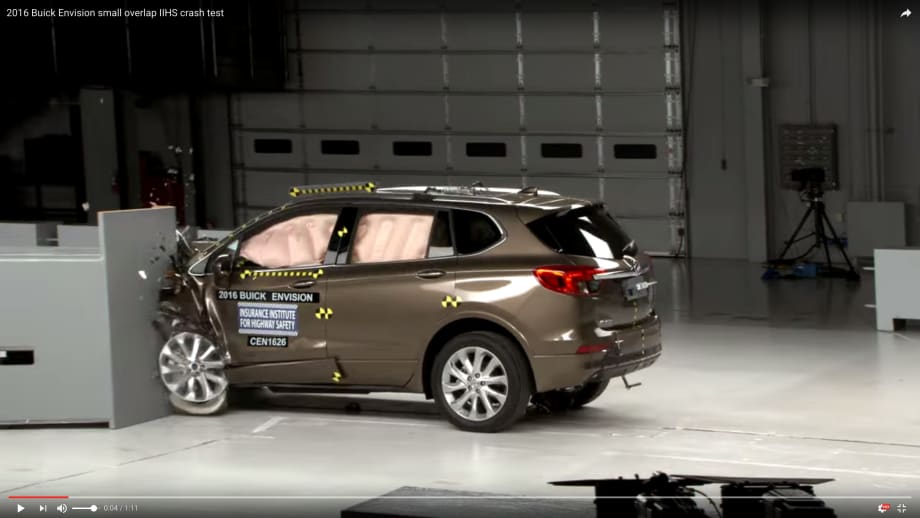
The 2016-model year Buick Envision, a new mid-size SUV, has won the Top Safety Pick+ award from the Insurance Institute for Highway Safety.
Photo: IIHS
1 min to read
The 2016-model year Buick Envision, a new mid-size SUV, has won the Top Safety Pick+ award from the Insurance Institute for Highway Safety.
The Envision is the first Chinese-built vehicle that IIHS has tested as part of its safety ratings, according to IIHS. The vehicle drew the highest possible rating of “good” across the board for crashworthiness.
Ad Loading...
To qualify for 2016 Top Safety Pick+, a vehicle must earn “good” ratings in the small overlap front, moderate overlap front, side, roof strength, and head restraint tests. The vehicle also must earn an “advanced” or “superior” rating for front crash prevention.
The Envision is available with Front Automatic Braking, an “advanced”-rated front crash prevention system. A different system, Forward Collision Alert, drew a “basic” rating.
Front Automatic Braking is optional for both 2016 and 2017 models. Forward Collision Alert is standard on all 2016 Envisions not equipped with autobrake but is optional on 2017 models.
In the IIHS 12 mph track test, the Envision with the autobrake system avoided a collision. In the 25 mph test, the vehicle’s impact speed was reduced by 9 mph. The system also includes a forward collision-warning component that meets National Highway Traffic Safety Administration criteria.
Fleet drivers face constant visual, cognitive, and environmental interruptions the moment they hit the road. From roadside chaos to mental fatigue and digital overload, today’s biggest driving risks often come from outside the vehicle itself.
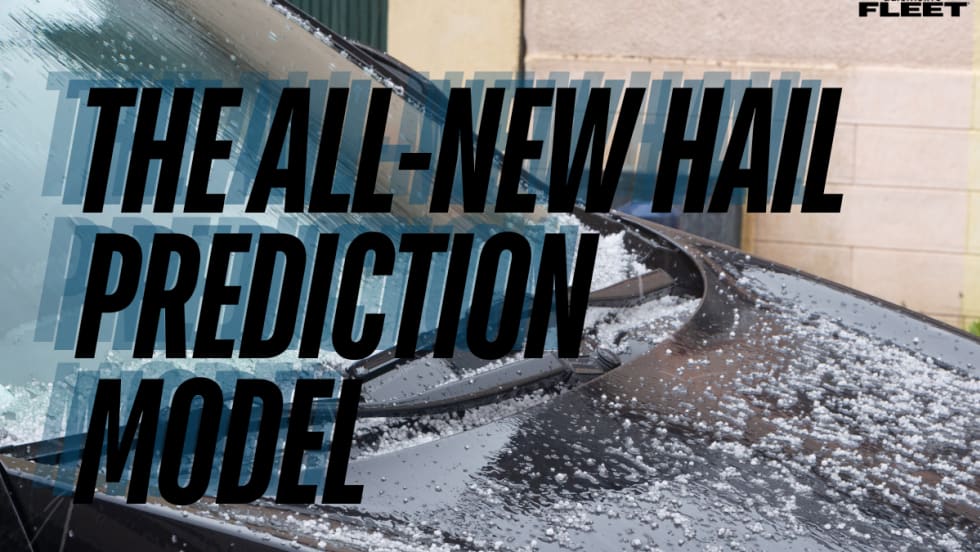
FLASH Weather AI has launched a first-of-its-kind hail prediction model capable of forecasting hail size and arrival time at 1-kilometer resolution up to 55 minutes ahead, giving fleets and insurers critical time to prepare for severe storms.
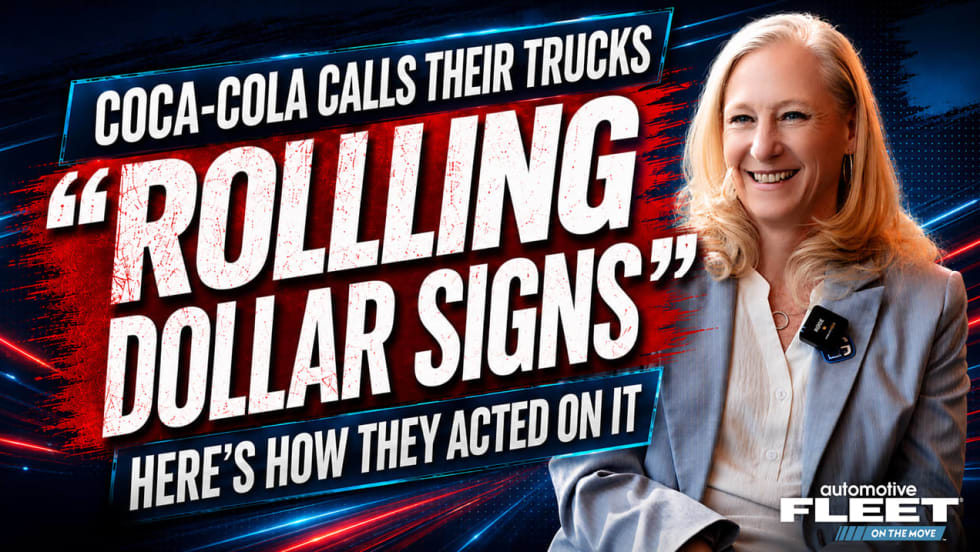
As litigation risk rises, vehicles are increasingly targeted. This Coca-Cola bottler shares how it’s reducing exposure through driver training, technology, and a proactive risk management approach.
From identity management to third-party certifications, the right technology partner should make security easier to manage. Here are the three building blocks that fleet managers need to stay in control as connected systems scale.
Distracted driving remains one of the most persistent risks in fleet operations. New approaches focus on removing mobile device use entirely while adding real-time safety support.
As distraction risks evolve, fleets are turning to smarter, more connected technologies to better understand what’s happening behind the wheel. Part 2 explores how these tools are helping identify risky behaviors and improve visibility across operations.
Distracted driving is often measured by what we can see—phones in hand, eyes off the road. But what about the distractions we can’t? A recent incident raises a bigger question about awareness, attention, and why subtle risks so often go unnoticed.