




Verizon Rolling Out Telematics Solution On 18,000 Vehicles This Year
Automotive Fleet contacted Verizon's Ken McKenney, fleet sustainability program manager for the company, to find out how it’s handling this major project and what benefits the solution will bring to Verizon's fleet.

Verizon announced late last week that it’s implementing a telematics solution in 18,000 vehicles in its fleet and that it plans to complete the rollout by the end of this year.
Automotive Fleet contacted Verizon's Ken McKenney, fleet sustainability program manager for the company, to find out how it’s handling this major project and what benefits the solution will bring to Verizon's fleet.
Verizon’s service fleet supports its fiber and wireless networks and its customers. Its service fleet has a wide range of vehicles, from class 1 sedans to class 8 tractor-trailers, according to McKenney. In terms of the fleet’s composition, it consists of class 2 through 4 vehicles, such as cargo vans, chassis cab models with different utility beds and boxes, and light aerial trucks. Other models include sedans used by management and class 5 through 8 heavy-duty trucks with aerials and digger derricks, plus class 7 and 8 box trucks and tractor-trailers. With regard to vehicle makes, the fleet is mixed, with Dodge, Ford, GM, Honda, and Toyota models on the light-duty side and Freightliner and International models on the heavy-duty side.
To manage this diverse fleet, Verizon decided to move ahead with implementing Networkfleet’s technology after it purchased auto industry supplier Hughes Telematics (which owns Networkfleet) in July of last year.
“Managing fleet assets is challenging by nature; periodic mileage collection, ensuring the vehicle remains healthy between services, and making sure the vehicle’s use warrants the capital investment are just a few key factors where the Networkfleet solution will provide benefits,” said McKenney. “Additionally, Verizon expects the implementation to increase productivity and cost efficiencies and help further reduce emissions as part of our corporate sustainability goal of decreasing our carbon footprint.”
Verizon’s McKenney said the company’s goals for the new system are wide-ranging.
“First and foremost, Verizon is looking to ensure our fleet assets are utilized often and for the intended purpose,” he said. “We’re looking to improve the health of the vehicle’s drivetrain with real-time fault code alerts. Of course idling is a big issue with all fleets and is another place to looks for cost savings.”
With this wide range, and large number, of assets to manage, McKenney said the company didn’t just start using Networkfleet right away. The company ran a pilot program in New York City, where it installed the Networkfleet 5500 device with on-board diagnostic capabilities in 260 vehicles, primarily class 2 through 4 along with a small group of heavy-duty logistics trucks.
“We saw opportunities in knowing a fault code had been set,” McKenney said. “This could allow for quick correction, returning the vehicle to high efficiency and low emission output. We saw opportunities in idle reduction and under-utilization as well. We’re still gathering data and are working with Networkfleet on ways to interpret and react to the data. It has been, and continues to be, a lot of fun.”
Once Verizon completed the pilot in New York City, the company made the decision to move forward with the broader rollout. Needless to say, adding a telematics device to each of Verizon’s 18,000 service fleet vehicles by the end of the year is a challenge. The company said Networkfleet’s existing installation network is helping Verizon complete this implementation in a timely manner.
“Verizon Fleet fully understands this scope of this challenge - it’s big,” McKenney said. “Fortunately for Verizon, Networkfleet has a very strong installation management team with experienced installation technicians in every geographic corner domestically. The Networkfleet customer service staff has also been fantastic to work with and will be core to the rollout success and we will continue to work with the installation team to make sure the rollout goes as planned.”
Many telematics solutions provide fleet managers and their employers with large amounts data, and it’s no different with Verizon. Verizon plans to make use of specific key performance metrics to help optimize routing, reduce idling reduction, and improve utilization.
“Verizon understands the responsibilities we have to both our employees that drive our vehicles and for those living in the communities we serve,” McKenney said. “Safe operation and reducing fuel consumption and emissions, while maintaining the company’s world-class networks and servicing our customers, is key. The immediate focus will be on unnecessary idling, followed by a review of rightsizing the vehicle for the evolving needs of the business for efficiencies.”
Training and changes to employee roles and responsibilities come with any new company-wide technology implementation. McKenney said the system will be transparent to the company’s drivers and therefore Verizon won’t require any more telematics-specific training for them. He went on to say that the primary employees using the Networkfleet system will be its driver management team, its fleet operations management team, and its safety organization.
“Networkfleet has a robust reporting system on the user’s web page that allows users to set up automated report delivery via e-mail,” McKenney said. “Reports can be for the entire fleet or by customizable subgroups created by the fleet manager. For high-volume fleet customers, Networkfleet offers data feeds and custom reporting. Verizon’s primary initial focus of better understanding idling habits and vehicle utilization, and how to best react to the findings will be performed by fleet staff and fleet leadership. As we learn more and other opportunities present themselves, the appropriate owner will manage the detailed review and develop the reaction plan.”
Looking beyond Verizon’s fleet, McKenney didn’t offer specifics on future plans for Networkfleet’s technology but reaffirmed the company’s commitment to the platform and its commitment to the marketplace.
“Verizon is committed to innovating in the machine-to-machine and telematics market,” McKenney said. “Networkfleet, and solutions like it, represent our vision for the market. The fleet management space is a tremendous opportunity for Verizon and we will continue work with our ecosystem of partners to serve this growing market.”
By Greg Basich
More Telematics

Building Smarter Cybersecurity Policies for Fleet Operations
As fleet operations become increasingly connected, cybersecurity can no longer be treated as an IT issue alone. Building effective policies requires a proactive approach that protects vehicles, data, and operational systems while ensuring employees, vendors, and technology partners follow consistent security standards.
Read More →
Turning Connected Vehicle Data Into Decisions That Matter
Fleet leaders have more data than ever, but turning that data into clear, actionable decisions remains a challenge. This white paper shows how leading organizations are using connected vehicle data to improve safety, reduce costs, and optimize fleet performance. Learn how to turn insight into action across your fleet.
Read More →
Cameras, Safety and Insurance: From Reactive Claims to Real-time Prevention
Commercial auto remains one of the most challenging and costly lines of coverage for fleet operators and insurers alike. Learn more about how to effectively address these issues from Onur Aksan, Enterprise Business Development Executive, Geotab.
Read More →

The Predictive Pivot: How AI and Data Are Redefining Auto Logistics in 2026
AI is no longer a luxury but the baseline for profitability in 2026. Auto haulers that adopt these tools now will quickly outpace those that use manual workflows or take a wait-and-see approach.
Read More →
How 5-Second Telematics Data Is Changing Fleet Safety
More detailed telematics data is giving fleets a clearer picture of what happens before a crash. Here’s why 5-second data matters.
Read More →
Mobilisights Rebrands as Mobilisights Connect
Stellantis is rebranding and expanding its B2B offerings, now offering software solutions for fleets through Mobilisights Connect.
Read More →
Can AI Really Make Fleet Drivers Safer?
Wheels’ David Glines explains how AI-powered coaching, connected vehicle data, and video telematics are helping fleets improve driver behavior.
Read More →
Ford Pro Telematics Introduces Asset Tracking
Ford Pro Telematics new software update allows fleet managers more control over their vehicle data and assets with customizable dashboards and data-driven search capabilities.
Read More →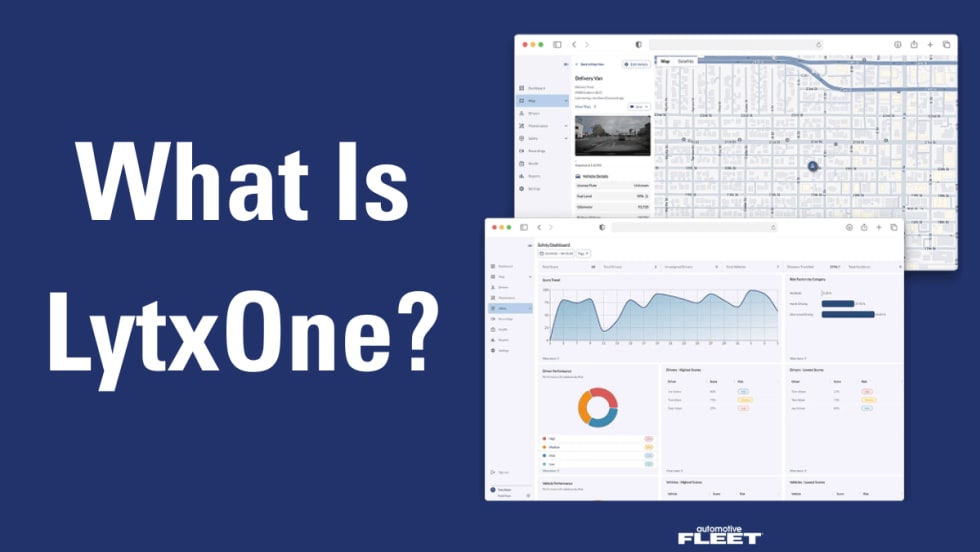
Lytx Announced LytxOne, a Unified Fleet Management Platform
Lytx recently announced the launch of LytxOne, a unified fleet management platform engineered to combine video safety, telematics, and maintenance.
Read More →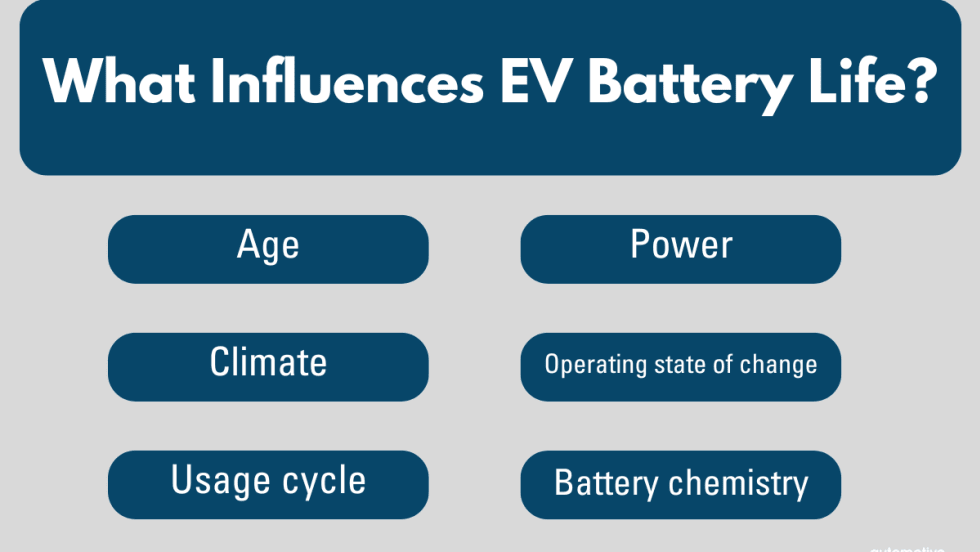
How Long Do EV Batteries Really Last?
A recent Geotab study reveals some of the factors affecting EV battery lifespan and performance.
Read More →