




ARI Named Among FORTUNE’s '100 Best Places to Work For'
Now in its 16th year, the annual list recognizes companies that seek to foster employee engagement and develop a culture of trust, cooperation and collaboration.
ARI, a leading global fleet services provider specializing in complex car and truck fleets, has been named to FORTUNE’s 2013 “100 Best Places to Work For” list. Now in its 16th year, the annual list recognizes companies that seek to foster employee engagement and develop a culture of trust, cooperation and collaboration.
“This is an incredible honor,” said Carl A. Ortell, president of ARI. “Without question, our employees are the most important part of our business and critical to our overall success, which is why we seek to create an environment that is supportive and open, provide work that is interesting and engaging, and offer opportunities for growth and development. By making this kind of investment in our employees, we know our company will be stronger and our customers will benefit.”
Listed at number 70, ARI was only one of five newcomers to the list. The company was recognized for its family-like culture, its internal employee engagement and empowerment program, Partners in Excellence®, and its emphasis on employee development.
“What makes ARI different is our people,” noted Bill Kwelty, senior vice president and Chief Quality Officer. “At the end of the day, we want to make sure ARI is more than just a place to work – we want to be the kind of company where an individual can build a satisfying and fulfilling career. We know that by doing this, we are making a solid investment in our long-term success.” The company, which has never had a layoff, has a turnover rate of just 2.7 percent.
ARI seeks to foster a supportive, community-like environment and actively nurtures the skills that support its core competencies: flexible fleet management, high-quality customer service and best-in-the-business vehicle knowledge. ARI encourages an atmosphere of teamwork by supporting programs and initiatives that foster communication and recognition, including:
Partners in Excellence (PIE): This is ARI’s internal, fleet-specific quality assurance program which, in addition to ensuring 100 percent customer satisfaction, offers rewards and bonuses for employees based on the company’s achievement of articulated performance management goals. ARI also rewards employees for savings or revenue enhancement suggestions.
Professional Development: All employees are encouraged to actively pursue new opportunities to grow and develop through advanced learning, either through the company’s unique on-site program, ARI University, or through other available educational programs or training. ARI supports a generous tuition reimbursement program which begins on the first day of employment with the company.
Community Engagement: At ARI, community service and giving back is a fundamental part of the business model. Employees at all ARI locations are permitted to take time off with pay to participate in their local United Way “Days of Caring,” and the company is very active in supporting the regional United Way chapters where it has offices. The company also works with employee committees to mobilize support for events like the Walk Now for Autism Speaks and Bike MS and partners with the American Red Cross several times a year to conduct blood drives.
A video featuring the employees of ARI discussing how they describe and feel about the company’s unique culture can be seen here: http://bit.ly/UgiV8A.
More Operations
How to Manage Conflict for Your Fleet Operations
Conflict management is becoming a core leadership skill. Here are five strategies fleet leaders should know.
Read More →
Turning Connected Vehicle Data Into Decisions That Matter
Fleet leaders have more data than ever, but turning that data into clear, actionable decisions remains a challenge. This white paper shows how leading organizations are using connected vehicle data to improve safety, reduce costs, and optimize fleet performance. Learn how to turn insight into action across your fleet.
Read More →
Cameras, Safety and Insurance: From Reactive Claims to Real-time Prevention
Commercial auto remains one of the most challenging and costly lines of coverage for fleet operators and insurers alike. Learn more about how to effectively address these issues from Onur Aksan, Enterprise Business Development Executive, Geotab.
Read More →

Are You Tracking Your Fleet's True Total Cost of Ownership?
Bobit Business Media surveyed 190 fleet professionals and found that while most fleets are tracking costs, fragmented systems and data gaps are keeping true TCO visibility out of reach. With rising pressure to control spend in an increasingly volatile environment, the gap between what fleets think they know and what the data actually shows is wider than you might expect. See how your peers are managing costs today and where the industry still has room to improve.
Read More →
Turn Fleet Data Into Smarter Decisions
Fleet leaders have access to more operational data than ever, but disconnected systems and unclear metrics often slow decision-making instead of improving it. This article outlines five practical steps fleets can take to transform fragmented data into actionable insights that improve planning, safety, utilization, and long-term performance.
Read More →
Hybrids: Electrification Without the Challenges
For fleet managers, fuel is one of the biggest line items in the budget — and it's one hybrids can shrink without changing how your people work. Download the eBook to see the numbers, understand the technology, and get a step-by-step guide to making the switch.
Read More →
How NOV Uses Telematics to Improve Fleet Safety Across 160 Locations
James Victory of NOV discusses how the company manages fleet safety, maintenance, and telematics across more than 150 locations supporting oilfield operations throughout the U.S.
Read More →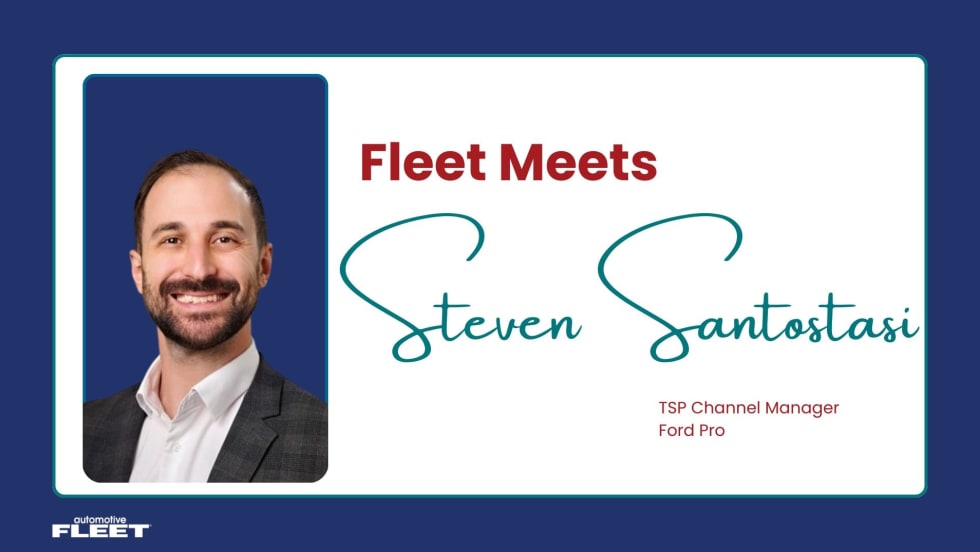
Fleet Meets: Steven Santostasi
This edition of the Fleet Meets series features Steven Santostasi, the current TSP channel manager for Ford Pro.
Read More →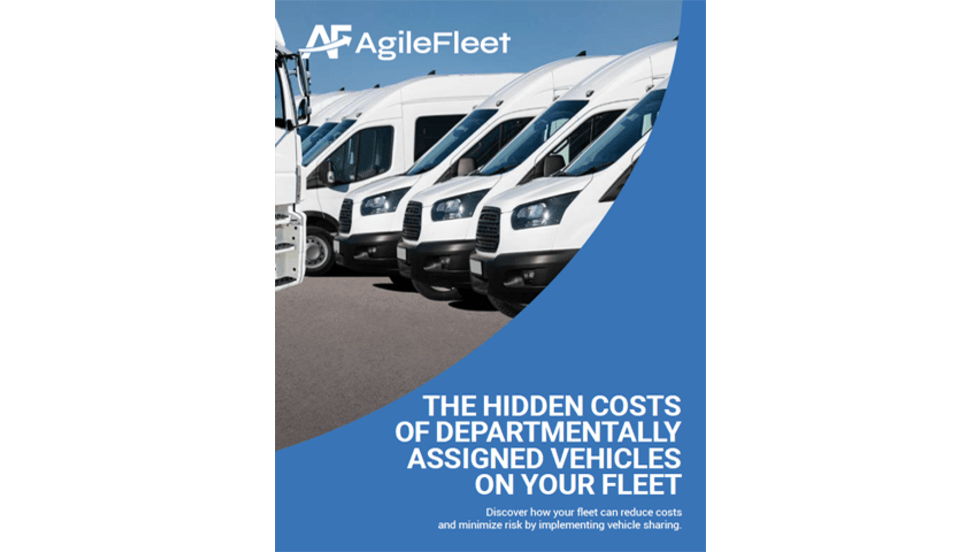
Why Fleet Managers Are Replacing Departmental Vehicles with Shared Motor Pools
Departmentally assigned vehicles often create hidden costs through underutilization, poor visibility, and increased administrative burden. This white paper explores how shared motor pool strategies help fleets reduce costs, improve accountability, and optimize vehicle utilization.
Read More →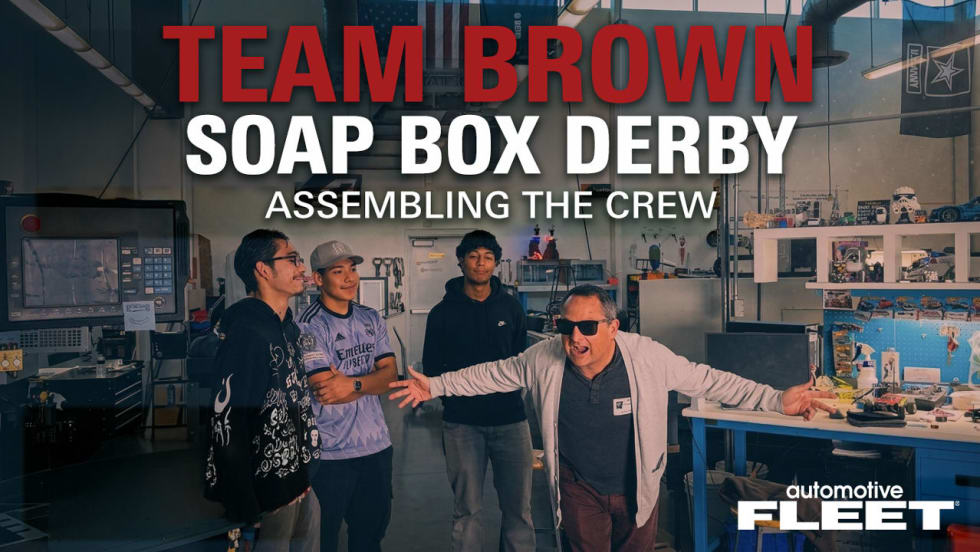
Soap Box Derby Challenge: Assembling the Crew
Meet Gabriel, Matthew, and Angel — the team helping bring this soap box derby build to life.
Read More →