




Ford Debuts Fleet Vehicle Emissions & Fuel Cost Calculator
The new tool helps customers compare vehicle fuel efficiency and sustainability based on customer-specific information and geographic region.

Fleets can maximize “green,” both in terms of fuel economy and cost savings. The Vehicle Emissions and Fuel Cost Calculator helps fleets compare vehicle fuel efficiency and consumption so they can make the most informed purchase decision possible.
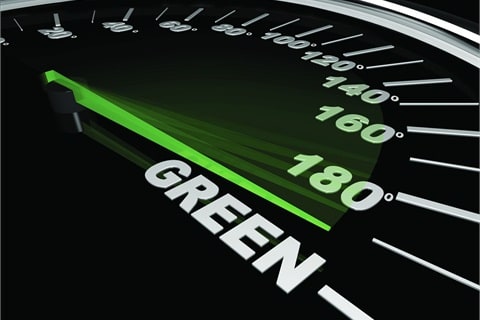
Fleets can maximize “green,” both in terms of fuel economy and cost savings. The Vehicle Emissions and Fuel Cost Calculator helps fleets compare vehicle fuel efficiency and consumption so they can make the most informed purchase decision possible.
Interested in saving on fuel costs and greening your fleet? Ford has developed a specialized new tool to help fleet managers select fuel-efficient vehicles based on specific fuel types, technologies, and operating locations.
The Vehicle Emissions and Fuel Cost Calculator incorporates critical operational information to evaluate fuel costs and emissions, providing an opportunity for fleet managers to quickly evaluate multiple vehicle and fuel options.
Customizing the Information
Ford’s Vehicle Emissions and Fuel Cost Calculator applies customer-specific information, such as vehicle type, fuel type, and individual driving patterns (city traffic or on the highway, for instance), plus the geographic region where the vehicle will be used, to generate information about the fuel efficiency and sustainability of comparable vehicles.
“This tool will help our customers make the most informed purchase decisions possible — ones that will meet their business needs, help promote energy security, and help protect the environment,” said Sandy Winkler, senior researcher with Ford Research & Advanced Engineering and developer of the tool.
For example, the tool can demonstrate how operating an electric vehicle in Portland, Ore., has different environmental ramifications from operating one in Pittsburgh. This is due to hydropower being a common source of electricity in the Pacific Northwest, reducing carbon dioxide emissions, compared with the mostly coal-based electricity used in the East Central region.
Fleet-Optimized Sustainability
The emissions calculator helps customers compare the benefits of any two vehicles, but Ford also wants take this a step further by helping customers understand more about the overall sustainability of their fleets.
The automaker is piloting the Fleet Purchase Planner, which uses mathematical optimization to provide customized purchase recommendations highlighting the best value opportunities for improving corporate sustainability. Ford continues to make sustainability a priority and is partnering with its customers to do so.
“We look for innovative analytical solutions to help our customers better understand their green vehicle technology options and identify those most beneficial on an individual customer basis,” said Daniel Reich, an operations research analyst at Ford Research & Advanced Engineering.
Customers may contact a Ford representative for more information about this proprietary program. Ford reps can create a customized analysis for fleet managers to determine the environmental impact and fuel costs of specific vehicles.
More Green Fleet

Turning Connected Vehicle Data Into Decisions That Matter
Fleet leaders have more data than ever, but turning that data into clear, actionable decisions remains a challenge. This white paper shows how leading organizations are using connected vehicle data to improve safety, reduce costs, and optimize fleet performance. Learn how to turn insight into action across your fleet.
Read More →
Are You Tracking Your Fleet's True Total Cost of Ownership?
Bobit Business Media surveyed 190 fleet professionals and found that while most fleets are tracking costs, fragmented systems and data gaps are keeping true TCO visibility out of reach. With rising pressure to control spend in an increasingly volatile environment, the gap between what fleets think they know and what the data actually shows is wider than you might expect. See how your peers are managing costs today and where the industry still has room to improve.
Read More →
Hybrids: Electrification Without the Challenges
For fleet managers, fuel is one of the biggest line items in the budget — and it's one hybrids can shrink without changing how your people work. Download the eBook to see the numbers, understand the technology, and get a step-by-step guide to making the switch.
Read More →
Startup ZMD Motors Developing Electric Conversion for Ram 5500 Work Trucks
Detroit-based company says it has begun early development of a system to convert internal combustion Ram 5500 chassis-cab trucks to electric power.
Read More →
U.S. EV Adoption Is Climbing, but Commercial and Passenger Markets Diverge
New industry group data revealed that light-duty electric vehicle sales are hitting record market share and volumes, while commercial EV volume dipped. What’s driving the fluctuations?
Read More →
How To Upfit Electric Work Trucks and Vans
The biggest challenge lies in balancing additional equipment and accessories with EV battery capacity and range.
Read More →
How Fleets Can Adjust Approaches To EV Adoption
With the expiration of federal incentives, EV success now hinges less on government policy and more on discounts, battery tech progress, increased range, and broader infrastructure.
Read More →
Despite World Troubles, Forward Thinking Guides Fleets
Fleet operators shared their challenges during an annual conference that embraced the latest advances across all aspects of running private- and public-sector vehicles.
Read More →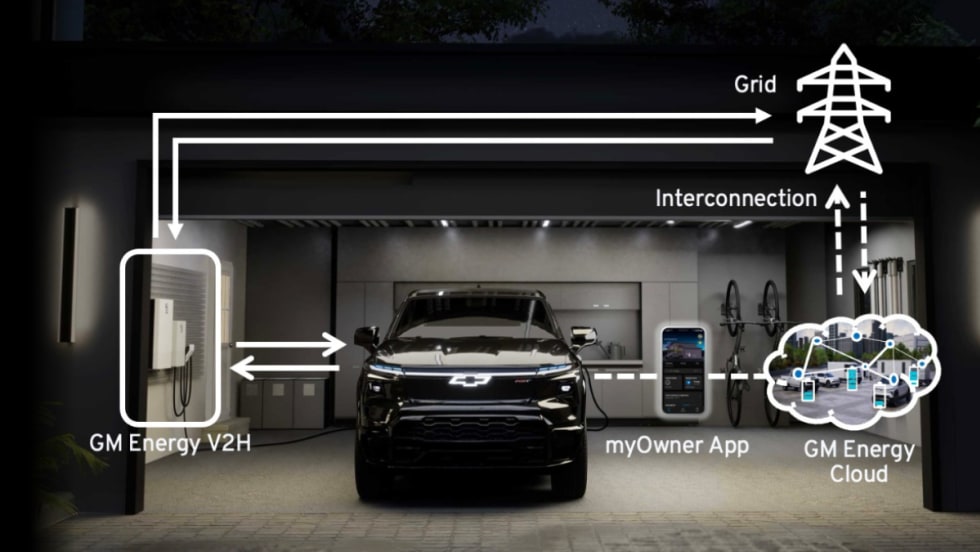
GM Energy Details Partnerships and Targets for Public Charging Build-Out
EVgo, Pilot, ChargePoint and IONNA named; goal is 35k GM-invested DC stalls by 2030, with customer-experience upgrades at sites.
Read More →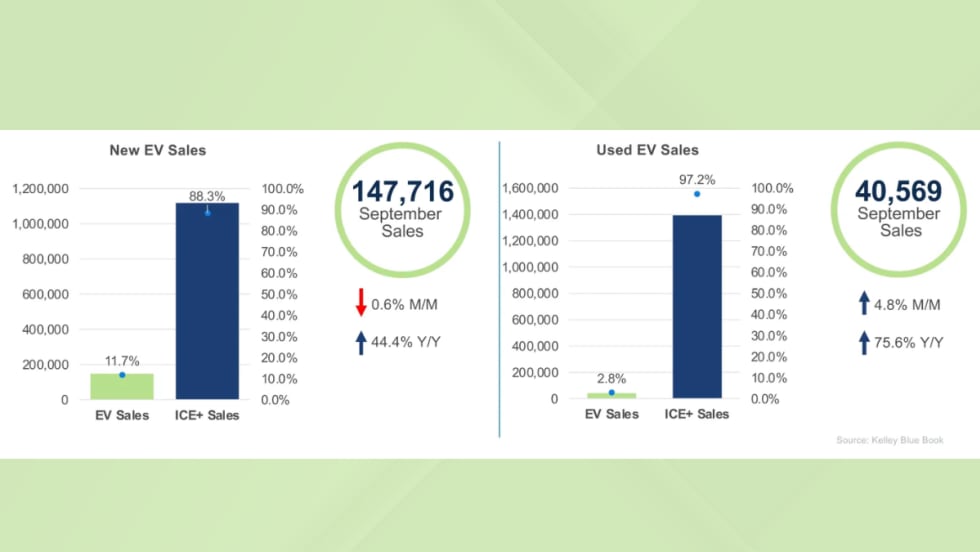
Q3 Electric Vehicles Sales Hit Record High
EV buyers took advantage of the final federal tax credit days, while average prices edged up for new EVs and continued to decline for used models.
Read More →