




What to Do After An Accident
An automobile accident can be an extremely upsetting and stressful experience. However, it’s critical for drivers to keep their composure and take certain steps immediately following a crash.
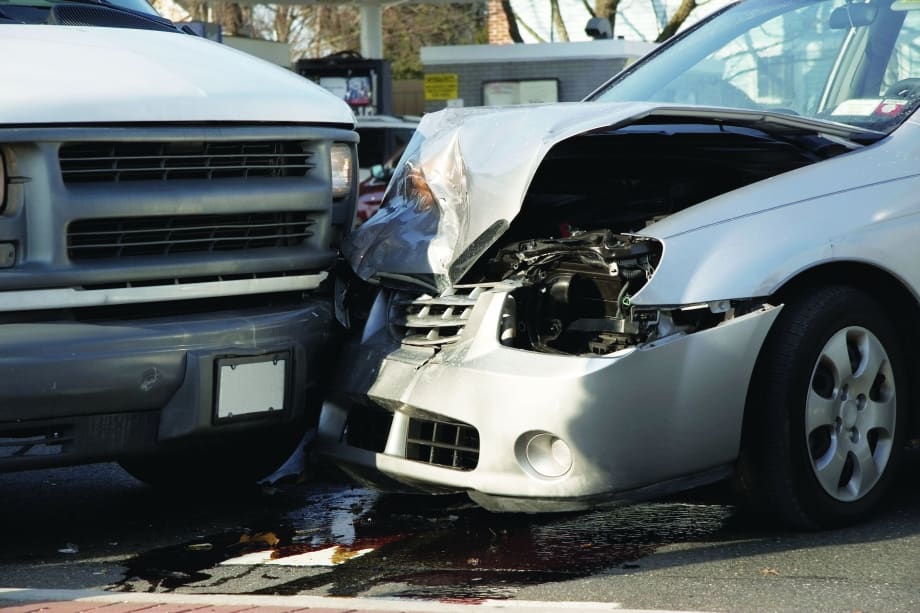
Employees driving company vehicles must abide by fleet policy at all times, especially in the event of an accident. One of the first things to do following an accident is to make sure the damage stays as minimal as possible by controlling the scene so a follow-up accident doesn’t occur.
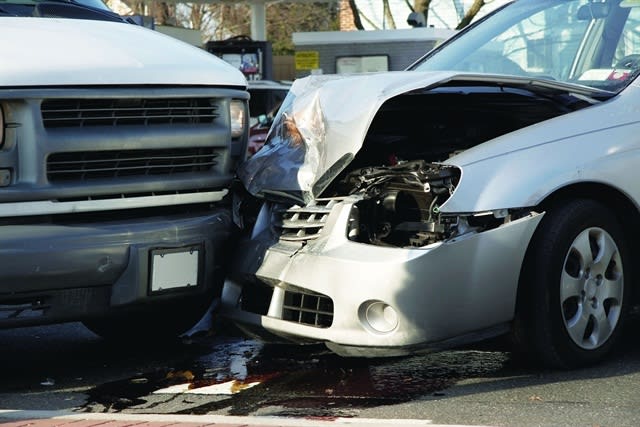
Employees driving company vehicles must abide by fleet policy at all times, especially in the event of an accident. One of the first things to do following an accident is to make sure the damage stays as minimal as possible by controlling the scene so a follow-up accident doesn’t occur.
There is no guarantee even the most skilled and experienced driver can avoid a collision. Despite evasive actions that might minimize the effects of a collision, accidents happen. Drivers must be prepared to respond appropriately and effectively. Being prepared can minimize physical and mental suffering, loss of time, legal problems, and expenses often associated with a collision. Knowing what to do in case of an accident can often mean the difference between life and death.
Fleet managers must make sure all employees driving on company business — and especially in a company vehicle — are fully aware of what steps to take in the event they are involved in an accident.
Don’t Panic and Stay Focused
There are three things to remember after an accident: Don’t panic, think of what must be done in logical order, and get help as soon as possible.
Drivers involved in an accident must be aware that the accident scene may have the potential of causing another accident. However, some jurisdictions require vehicles remain in place after an incident occurs. In any case, the driver must safely control the accident scene to prevent other traffic from colliding with the damaged vehicles.
Have drivers warn approaching traffic of the incident in either direction, or assign someone to do so. If the vehicles are disabled, set out warning flares and turn on emergency flashers and lights.
After setting up warnings, if the vehicles cannot be moved (either because they are disabled or due to the law requiring they remain in place) it is important to get as far away from the vehicles as possible. This is especially true if low visibility or heavy traffic conditions are present.
If regulations permit it, move the vehicles out of the traffic flow, making sure to note, and if possible photograph, their original locations for the accident report.
Contact the Authorities
Under all circumstances, the police must be called as soon as possible. The police may indicate when and if an officer will arrive. Be patient and follow their instructions.
Under some circumstances, such as non-injury and a low-dollar repair estimate to the vehicles, the officer may direct the driver to go directly to the police station to file a report. Drivers should carefully note all instructions given and obtain the name and badge number of the officer, either at the scene or on the phone.
Paramedics or an ambulance must be called immediately for anyone injured in the collision. Injured persons should not be moved unnecessarily, as doing so may increase the severity of their injuries.
If the collision involves an unattended vehicle, the owner must be notified. If that is not immediately possible, a note should be attached to the vehicle with the driver’s contact information. Police should be notified immediately and be informed of the steps the driver has taken.
[PAGEBREAK]
Complete an Accident Report
To ensure the accident report is as complete as possible, drivers should document as much information about any injured person, including the extent of injuries and the roles played by each individual involved in the accident.
Information must be exchanged with the driver of the other vehicle, including name, address, and vehicle registration number. Write down all pertinent information from the vehicle registration card and the driver’s license. Also, record information about the other driver’s insurance company and policy number.
Take down the names, addresses, phone numbers, and other pertinent information of all involved parties or witnesses. Note the date, exact time and location, and include the positions of the involved vehicles, direction of travel prior to the collision, traffic, weather and highway conditions, and anything that may have contributed to the accident.
Every accident must have a written report record, because a state may suspend a driver’s license for failure to file a written report. Keep an accident report form in the car in case of a collision.
Accident report forms are available from law enforcement agencies and insurance companies. Some states even have downloadable forms on Department of Transportation (DOT) websites.
A Few Points to Remember
Don’t overlook the possibility of using a cell phone’s camera, or carrying a disposable camera in case of an accident to take photographs of the vehicles involved in the accident to preclude the possibility of subsequent disputes as to the extent of damage resulting from the collision.
It is important drivers know what to say during a collision follow-up. Drivers should not argue, accuse, or sign statements or documents other than those the police may require, or admit fault. Individuals have the right to consult an attorney before saying anything.
Above all, employees should understand and follow the fleet’s accident policy requirements.
The Bottom Line
To summarize, have drivers follow these steps when involved in an accident:
● Control the accident scene and ensure oncoming traffic will not collide with the crashed vehicle(s).
● Determine whether vehicles can be moved, and, if possible, photograph the vehicles and accident scene prior to moving anything.
● Contact the authorities as soon as possible and follow their instructions completely.
● Provide assistance, if required, to anyone injured in the collision, but do not move people unnecessarily.
● Get as much information about all parties involved in the accident as possible, including registration information, ID details, and insurance information. Exchange information with the driver of the other vehicle.
● Complete an accident report according to fleet policy.
● Know what — and what not — to say to the authorities during a collision follow-up.
More Safety

Nominations Open for 2026 Fleet Safety Award
Nominations have officially opened for the 2026 Fleet Safety Award Winner.
Read More →
Turning Connected Vehicle Data Into Decisions That Matter
Fleet leaders have more data than ever, but turning that data into clear, actionable decisions remains a challenge. This white paper shows how leading organizations are using connected vehicle data to improve safety, reduce costs, and optimize fleet performance. Learn how to turn insight into action across your fleet.
Read More →
Cameras, Safety and Insurance: From Reactive Claims to Real-time Prevention
Commercial auto remains one of the most challenging and costly lines of coverage for fleet operators and insurers alike. Learn more about how to effectively address these issues from Onur Aksan, Enterprise Business Development Executive, Geotab.
Read More →

NAFA Fleet Safety Symposium to Collocate With 2026 Fleet Forward Conference
The daylong certificate program will precede the Fleet Forward Conference at the Gaylord National Harbor in Maryland.
Read More →
The Distractions You Can’t Turn Off: What Drivers Face Outside the Vehicle
Fleet drivers face constant visual, cognitive, and environmental interruptions the moment they hit the road. From roadside chaos to mental fatigue and digital overload, today’s biggest driving risks often come from outside the vehicle itself.
Read More →
FLASH Weather AI Launches First Deep-Learning Hail Prediction Model With High-Resolution Forecasting
FLASH Weather AI has launched a first-of-its-kind hail prediction model capable of forecasting hail size and arrival time at 1-kilometer resolution up to 55 minutes ahead, giving fleets and insurers critical time to prepare for severe storms.
Read More →
How Coca-Cola United Protects Its Fleet from Growing Legal Risk
As litigation risk rises, vehicles are increasingly targeted. This Coca-Cola bottler shares how it’s reducing exposure through driver training, technology, and a proactive risk management approach.
Read More →
How to Speak the Same Language on Fleet Safety
Drivers, supervisors, and data often speak different safety “languages.” Getting on the same page will drive better results.
Read More →
Fleet Cybersecurity 101: What You Need from Your Technology Vendors
From identity management to third-party certifications, the right technology partner should make security easier to manage. Here are the three building blocks that fleet managers need to stay in control as connected systems scale.
Read More →
Reducing Risk by Eliminating Phone Use Behind the Wheel
Distracted driving remains one of the most persistent risks in fleet operations. New approaches focus on removing mobile device use entirely while adding real-time safety support.
Read More →