




DOT Underscores Tire Safety as Summer Approaches
WASHINGTON - In a consumer advisory launched June 2, the U.S. Department of Transportation urged all motorists to inspect their tires for proper inflation and signs of tread wear and damage before driving in hot weather.
WASHINGTON - In a consumer advisory launched June 2, the U.S. Department of Transportation urged all motorists to inspect their tires for proper inflation and signs of tread wear and damage before driving in hot weather.
The consumer advisory coincides with National Tire Safety Week, June 5-11, and comes at a time when driving increases with the kick-off of the summer travel season.
"As the weather warms up, it's especially important for drivers to ensure their tires are properly inflated," Transportation Secretary Ray LaHood said. "For your safety and the safety of others on the road, inspect your tires regularly and maintain the proper inflation."
The latest data from the DOT's National Highway Traffic Safety Administration show that over the five-year period from 2005 to 2009, nearly 3,400 people died, and an estimated 116,000 were injured, in tire-related crashes.
While it's true improperly maintained tires can contribute to a crash at any time of year, it is particularly critical for motorists to check tires during hot weather, NHTSA Administrator David Strickland warned. "Underinflated tires spinning on hot asphalt for extended periods of time can be a recipe for disaster."
The DOT urges motorists to check their tire pressure before long trips and to inspect tires periodically. Motorists should also be aware that aging tires and hot weather can be a potentially deadly combination, as older tires are more susceptible to heat stress, especially if they are not properly inflated. Motorists should check the tire sidewall to see how old their tires are, and check with the tire manufacturer or the vehicle owner's manual for recommendations on how often to change tires.
Properly inflated tires will also improve a vehicle's fuel. According to the Department of Energy's fueleconomy.gov Web site, under-inflated tires can lower gas mileage by 0.3 percent for every 1 PSI (pound per square inch) drop in pressure of all four tires.
For example, for a vehicle with a fuel-economy rating of 30 miles per gallon and a 35 PSI tire pressure recommendation, a drop of 25 percent in tire pressure would equate to a loss of 8.8 percent in fuel economy, or a drop of 2.6 miles per gallon.
More Safety

Nominations Open for 2026 Fleet Safety Award
Nominations have officially opened for the 2026 Fleet Safety Award Winner.
Read More →
Turning Connected Vehicle Data Into Decisions That Matter
Fleet leaders have more data than ever, but turning that data into clear, actionable decisions remains a challenge. This white paper shows how leading organizations are using connected vehicle data to improve safety, reduce costs, and optimize fleet performance. Learn how to turn insight into action across your fleet.
Read More →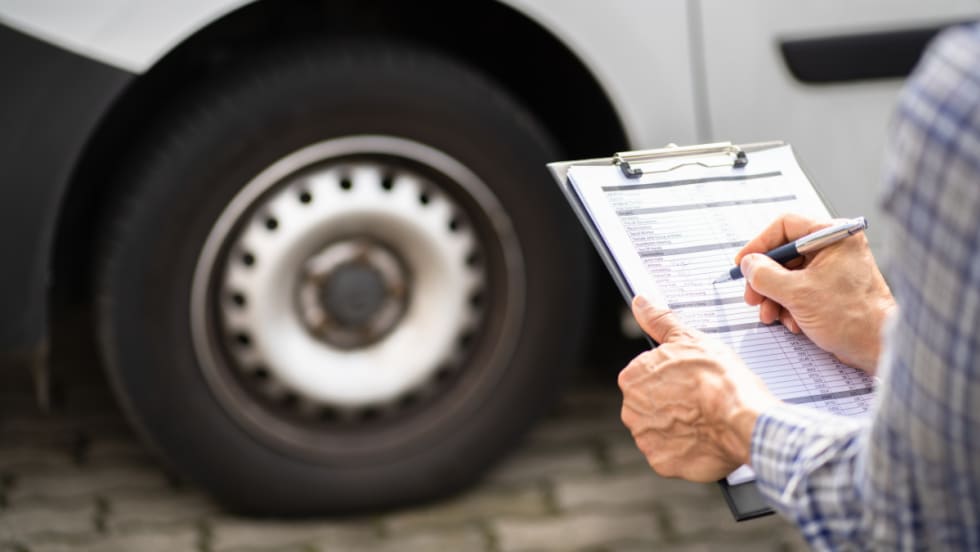
Cameras, Safety and Insurance: From Reactive Claims to Real-time Prevention
Commercial auto remains one of the most challenging and costly lines of coverage for fleet operators and insurers alike. Learn more about how to effectively address these issues from Onur Aksan, Enterprise Business Development Executive, Geotab.
Read More →

NAFA Fleet Safety Symposium to Collocate With 2026 Fleet Forward Conference
The daylong certificate program will precede the Fleet Forward Conference at the Gaylord National Harbor in Maryland.
Read More →
The Distractions You Can’t Turn Off: What Drivers Face Outside the Vehicle
Fleet drivers face constant visual, cognitive, and environmental interruptions the moment they hit the road. From roadside chaos to mental fatigue and digital overload, today’s biggest driving risks often come from outside the vehicle itself.
Read More →
FLASH Weather AI Launches First Deep-Learning Hail Prediction Model With High-Resolution Forecasting
FLASH Weather AI has launched a first-of-its-kind hail prediction model capable of forecasting hail size and arrival time at 1-kilometer resolution up to 55 minutes ahead, giving fleets and insurers critical time to prepare for severe storms.
Read More →
How Coca-Cola United Protects Its Fleet from Growing Legal Risk
As litigation risk rises, vehicles are increasingly targeted. This Coca-Cola bottler shares how it’s reducing exposure through driver training, technology, and a proactive risk management approach.
Read More →
How to Speak the Same Language on Fleet Safety
Drivers, supervisors, and data often speak different safety “languages.” Getting on the same page will drive better results.
Read More →
Fleet Cybersecurity 101: What You Need from Your Technology Vendors
From identity management to third-party certifications, the right technology partner should make security easier to manage. Here are the three building blocks that fleet managers need to stay in control as connected systems scale.
Read More →
Reducing Risk by Eliminating Phone Use Behind the Wheel
Distracted driving remains one of the most persistent risks in fleet operations. New approaches focus on removing mobile device use entirely while adding real-time safety support.
Read More →