




Audi Models Now Network With Other Brands
HERNDON, VA – Along with other European vehicle manufacturers at the second CAR2CAR Forum in Dudenhofen, Germany, Audi demonstrated how it will be possible in the future for data to be exchanged between vehicles of different brands.
HERNDON, VA – Along with other European vehicle manufacturers at the second CAR2CAR Forum in Dudenhofen, Germany, Audi demonstrated how it will be possible in the future for data to be exchanged between vehicles of different brands.
Communication between vehicles, as well as between vehicles and infrastructure, will pave the way for further improvements in traffic flow and safety. The system assists and alerts a driver to any number of dangerous situations on any road. It can notify the driver of an icy patch ahead on a rural route, of a broken-down vehicle in front, or of an unexpected traffic jam on a highway. In addition, a networked and consequently “intelligent” vehicle boosts driving comfort.
If this technology is to realize its full potential, all vehicles and other road users must utilize a uniform standard to communicate with one another.
The demonstration on the testing ground allowed nine vehicle manufacturers and five development partners to prove — even in the preliminary phase of development — that communication between vehicles of different brands is already fast, precise, and reliable.
Communication units were installed in an Audi Q7 and an Audi A6 allroad quattro to facilitate the transmission of radio signals in accordance with the CAR2CAR standard. The system warned of an approaching emergency vehicle and prevented an accident with a motorcycle at an intersection. Similarly, a construction site hidden around a corner quickly triggered an alert in the driver’s direct field of view.
The central driver information system and the Audi MMI — the Multi Media Interface — are designed to present data to the driver in a clear and logical manner. Easily understandable audible instructions round out the warning system.
Audi will continue to implement this technology not only in the “CAR2CAR Communication Consortium,” but also in other national and international projects. A core pursuit at Audi lies in traffic-efficiency applications such as the Travolution project, which allows urban traffic to flow far more freely thanks to communication between traffic signals and vehicles.
During the pilot experiment in Ingolstadt, the timing of 46 traffic lights was optimized. Three of them were also equipped with WLAN-based communications technology. Calculations provided by the Technical University of Munich, a venture partner, hint at the potential for remarkable efficiency. A 20-percent reduction in stops at traffic lights and correspondingly improved fuel efficiency — assuming an hourly volume of 1,000 vehicles in Ingolstadt — will save more than 700,000 liters (around 185,000 U.S. gallons) of fuel annually.
More Operations
How to Manage Conflict for Your Fleet Operations
Conflict management is becoming a core leadership skill. Here are five strategies fleet leaders should know.
Read More →
Turning Connected Vehicle Data Into Decisions That Matter
Fleet leaders have more data than ever, but turning that data into clear, actionable decisions remains a challenge. This white paper shows how leading organizations are using connected vehicle data to improve safety, reduce costs, and optimize fleet performance. Learn how to turn insight into action across your fleet.
Read More →
Cameras, Safety and Insurance: From Reactive Claims to Real-time Prevention
Commercial auto remains one of the most challenging and costly lines of coverage for fleet operators and insurers alike. Learn more about how to effectively address these issues from Onur Aksan, Enterprise Business Development Executive, Geotab.
Read More →

Are You Tracking Your Fleet's True Total Cost of Ownership?
Bobit Business Media surveyed 190 fleet professionals and found that while most fleets are tracking costs, fragmented systems and data gaps are keeping true TCO visibility out of reach. With rising pressure to control spend in an increasingly volatile environment, the gap between what fleets think they know and what the data actually shows is wider than you might expect. See how your peers are managing costs today and where the industry still has room to improve.
Read More →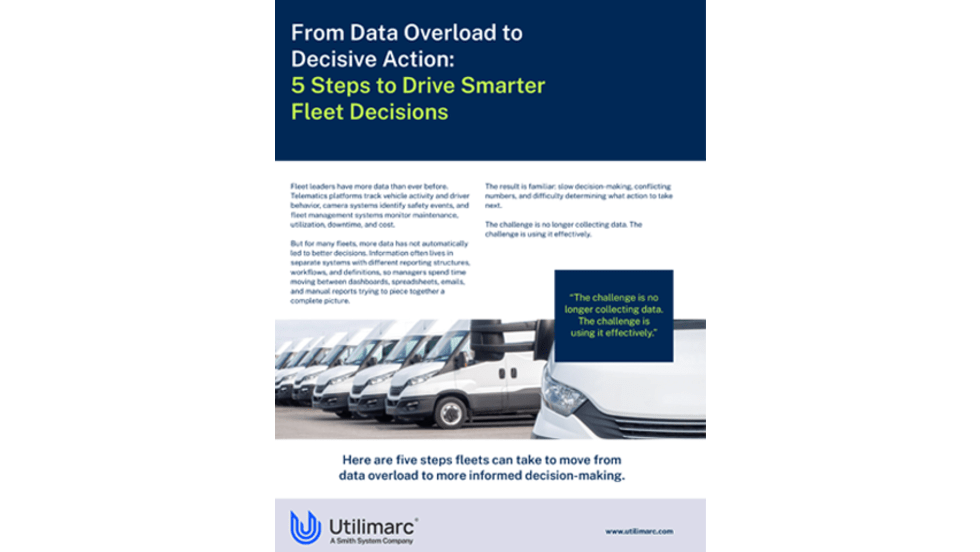
Turn Fleet Data Into Smarter Decisions
Fleet leaders have access to more operational data than ever, but disconnected systems and unclear metrics often slow decision-making instead of improving it. This article outlines five practical steps fleets can take to transform fragmented data into actionable insights that improve planning, safety, utilization, and long-term performance.
Read More →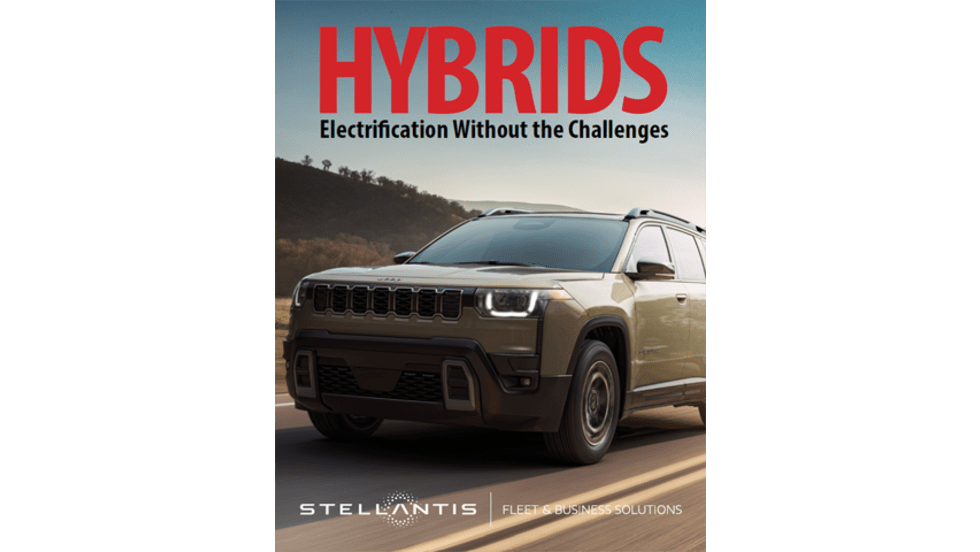
Hybrids: Electrification Without the Challenges
For fleet managers, fuel is one of the biggest line items in the budget — and it's one hybrids can shrink without changing how your people work. Download the eBook to see the numbers, understand the technology, and get a step-by-step guide to making the switch.
Read More →
How NOV Uses Telematics to Improve Fleet Safety Across 160 Locations
James Victory of NOV discusses how the company manages fleet safety, maintenance, and telematics across more than 150 locations supporting oilfield operations throughout the U.S.
Read More →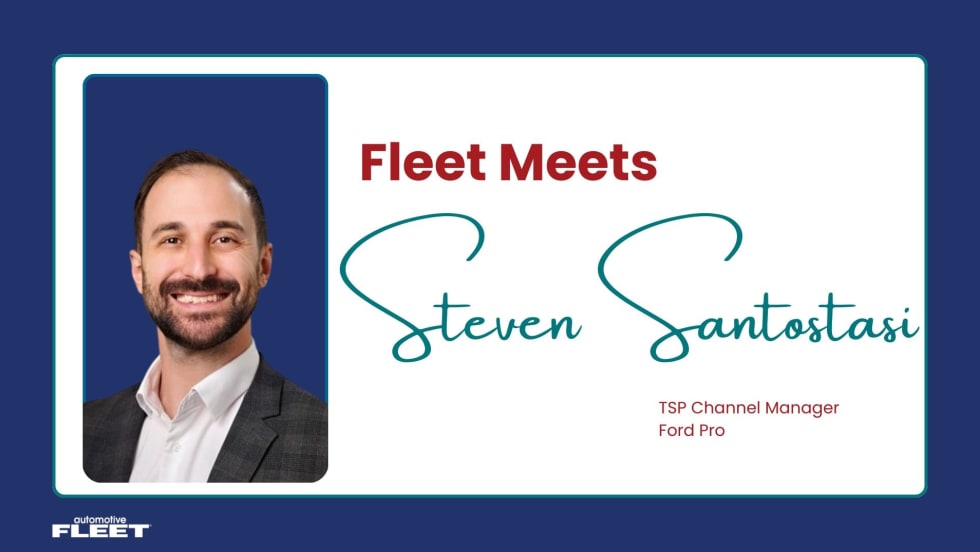
Fleet Meets: Steven Santostasi
This edition of the Fleet Meets series features Steven Santostasi, the current TSP channel manager for Ford Pro.
Read More →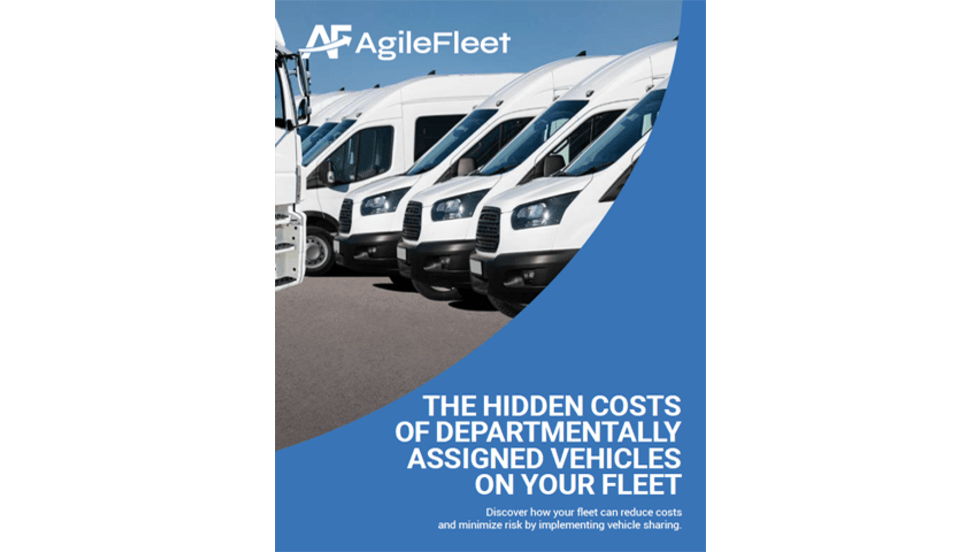
Why Fleet Managers Are Replacing Departmental Vehicles with Shared Motor Pools
Departmentally assigned vehicles often create hidden costs through underutilization, poor visibility, and increased administrative burden. This white paper explores how shared motor pool strategies help fleets reduce costs, improve accountability, and optimize vehicle utilization.
Read More →
Soap Box Derby Challenge: Assembling the Crew
Meet Gabriel, Matthew, and Angel — the team helping bring this soap box derby build to life.
Read More →