




"SHARE THE ROAD" Campaign Keeps Employees Safe Behind the Wheel
VIENNA, VA – Sponsored annually by the Network of Employers for Traffic Safety, Drive Safely Work Week, October 6-10, is a nationally observed campaign designed to help to reduce preventable crashes on and off the job.
VIENNA, VA – Sponsored annually by the Network of Employers for Traffic Safety (NETS), Drive Safely Work Week (DSWW), October 6-10, is a nationally observed campaign designed to help employers emphasize the importance of driving safely both on and off the job to reduce preventable crashes. This year's campaign theme, "Take the High Road Share the Road. It Belongs to Everyone," addresses the special needs and considerations of vulnerable roadway users: pedestrians, bicyclists, motorcyclists, truck drivers, and senior and teen drivers.
Every day thousands of drivers make the decision to multi-task, speed, tailgate, run red lights, and take their aggression out on other road users, putting themselves and others sharing the road at risk. These and other hazardous driving practices coupled with unsafe driver attitudes make the time employees spend in the car the most dangerous part of their day.
During the 2008 DSWW campaign, employers committed to "champion" road safety will promote the campaign's message to make their workforce more aware of the limitations and challenges that each road user faces whether they are traveling on four wheels or 16, two feet or two wheels.
During this special week, thousands of organizations will demonstrate their ongoing commitment to protecting the health and well being of their most valuable assets—their employees and their families. Employees across the country will hear the share the road safety message each day of the campaign week with the DSWW materials available to employers at no cost via the NETS Web site, www.trafficsafety.org.
A significant new development in NETS' ability to promote road safety among its members year-round is coming in January 2009. NETS will introduce the STRENGTH IN NUMBERS Road Safety Benchmarking Program. NETS has brought together organizations willing to take a look at their own crash metrics, compare findings with other study participants, and share what they've learned with their peers. This program is for all types of companies and organizations-large or small, local or global, public or private.
Benchmarking will show how a company compares in terms of crash, injury, and fatality frequencies, while taking into consideration Program Elements, such as road safety policies, driver training programs, use of in-vehicle electronics, crash review practices, cell phone usage, management leadership, the "greening" of fleets, and more.
Members will use what they learn to identify best practices and to put in place a cost effective, integrated, and comprehensive plan to improve their fleet-safety performance year after year. The STRENGTH IN NUMBERS Benchmarking program also includes many other valuable features, all designed with road safety and an employer's bottom line in mind.
Drive Safely Work Week 2008 Sponsors
AmeriFleet Corporation
Anheuser-Busch Companies
Chubb Group of Insurance Companies
General Motors Corporation
Johnson & Johnson
Liberty Mutual Insurance Group
Monsanto
National Highway Traffic Safety Administration
National Institute for Occupational Safety & Health
Nationwide Insurance
UPS
More Operations
How to Manage Conflict for Your Fleet Operations
Conflict management is becoming a core leadership skill. Here are five strategies fleet leaders should know.
Read More →
Turning Connected Vehicle Data Into Decisions That Matter
Fleet leaders have more data than ever, but turning that data into clear, actionable decisions remains a challenge. This white paper shows how leading organizations are using connected vehicle data to improve safety, reduce costs, and optimize fleet performance. Learn how to turn insight into action across your fleet.
Read More →
Cameras, Safety and Insurance: From Reactive Claims to Real-time Prevention
Commercial auto remains one of the most challenging and costly lines of coverage for fleet operators and insurers alike. Learn more about how to effectively address these issues from Onur Aksan, Enterprise Business Development Executive, Geotab.
Read More →

Are You Tracking Your Fleet's True Total Cost of Ownership?
Bobit Business Media surveyed 190 fleet professionals and found that while most fleets are tracking costs, fragmented systems and data gaps are keeping true TCO visibility out of reach. With rising pressure to control spend in an increasingly volatile environment, the gap between what fleets think they know and what the data actually shows is wider than you might expect. See how your peers are managing costs today and where the industry still has room to improve.
Read More →
Turn Fleet Data Into Smarter Decisions
Fleet leaders have access to more operational data than ever, but disconnected systems and unclear metrics often slow decision-making instead of improving it. This article outlines five practical steps fleets can take to transform fragmented data into actionable insights that improve planning, safety, utilization, and long-term performance.
Read More →
Hybrids: Electrification Without the Challenges
For fleet managers, fuel is one of the biggest line items in the budget — and it's one hybrids can shrink without changing how your people work. Download the eBook to see the numbers, understand the technology, and get a step-by-step guide to making the switch.
Read More →
How NOV Uses Telematics to Improve Fleet Safety Across 160 Locations
James Victory of NOV discusses how the company manages fleet safety, maintenance, and telematics across more than 150 locations supporting oilfield operations throughout the U.S.
Read More →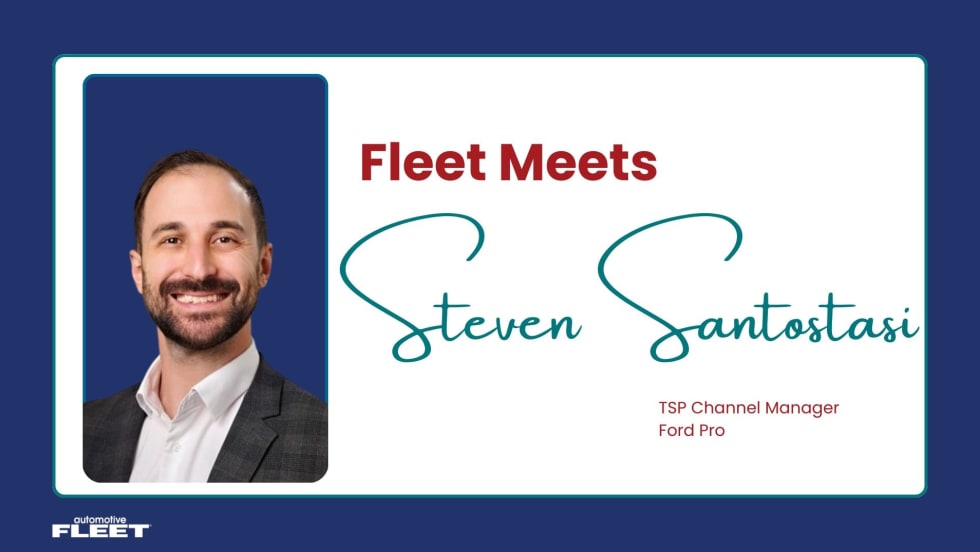
Fleet Meets: Steven Santostasi
This edition of the Fleet Meets series features Steven Santostasi, the current TSP channel manager for Ford Pro.
Read More →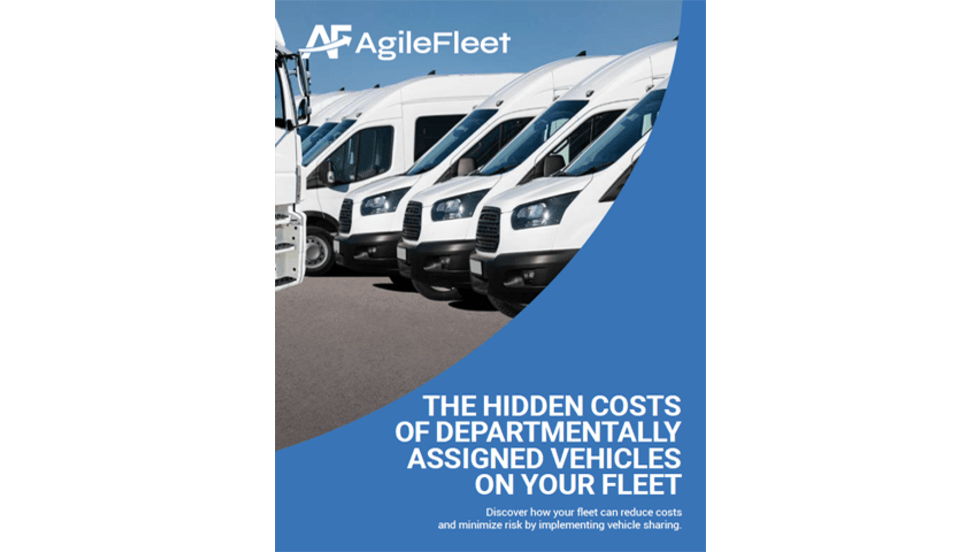
Why Fleet Managers Are Replacing Departmental Vehicles with Shared Motor Pools
Departmentally assigned vehicles often create hidden costs through underutilization, poor visibility, and increased administrative burden. This white paper explores how shared motor pool strategies help fleets reduce costs, improve accountability, and optimize vehicle utilization.
Read More →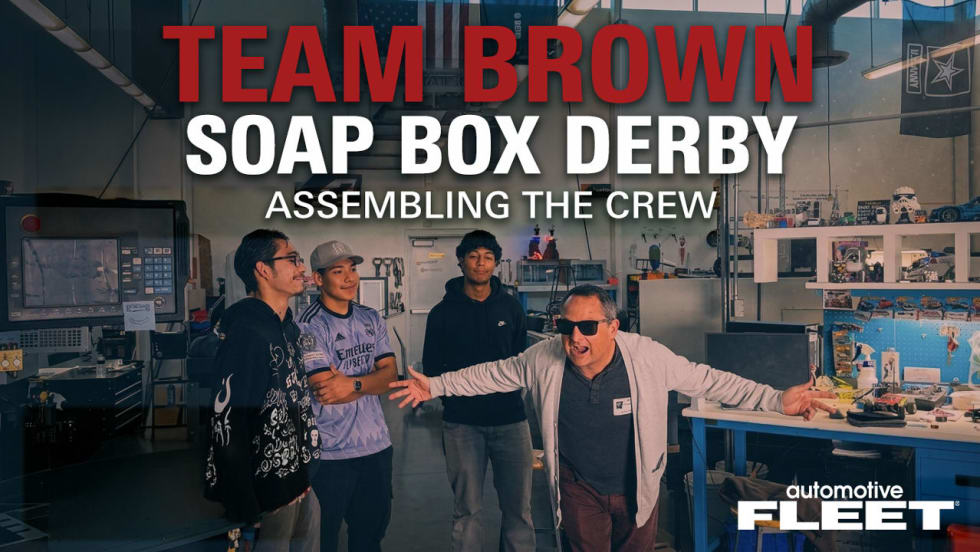
Soap Box Derby Challenge: Assembling the Crew
Meet Gabriel, Matthew, and Angel — the team helping bring this soap box derby build to life.
Read More →