




New Study Concludes Traffic Accidents Spike on Election Day
CHICAGO, IL --- Fleet managers might want to tell their drivers to be extra careful on the roads Nov. 4. That's because a new study suggests that traffic accidents spike on election days.
CHICAGO, IL --- Fleet managers might want to tell their drivers to be extra careful on the roads Nov. 4. That's because a new study suggests that traffic accidents spike on election days.
The study analyzes U.S. election day traffic deaths dating back to Jimmy Carter's 1976 win, the Associated Press reported. On average, 24 more people died in car crashes during voting hours on presidential election days than on other October and November Tuesdays. That amounts to an 18 percent increased risk of death. Moreover, compared with non-election days, an additional 800 people suffered disabling injuries.
The results were fairly consistent on all eight presidential election days that were analyzed, up to George W. Bush's victory over John Kerry in 2004.
"This is one of the most off-the-wall things I've ever read, but the science is good," Roy Lucke, senior scientist at Northwestern University's Center for Public Safety, told AP. He was not involved in the study, which appears in Journal of the American Medical Association.
The study's Canadian researchers offered these possible reasons for the spike in accidents: drivers rushing to get to polling places before or after work, driving on unfamiliar routes, and being distracted by thinking about the candidates.
Co-author Dr. Donald Redelmeier, a professor of medicine at the University of Toronto, said Canada would probably have similar results.
Redelmeier said he and co-researcher Robert Tibshirani, now at Stanford University, were partly motivated out of concern about public health implications of traffic accidents. They claim about 1 million deaths worldwide each year, including about 41,059 last year in the United States.
Anne McCartt, senior vice president for research at the Insurance Institute for Highway Safety, called the study "a clever example of something that is commonly known in highway safety."
The researchers looked at traffic-related deaths during polling hours on presidential election days and the two Tuesdays before and afterward over 30 years. There were 3,417 total deaths, including 1,265 on election days. The election day average was 158, versus 134 on the other Tuesdays. The crashes involved drivers, passengers and pedestrians.
Redelmeier said the data don't indicate where drivers were going when crashes occurred, but that the increase during polling hours suggests they were voting-related.
More Safety
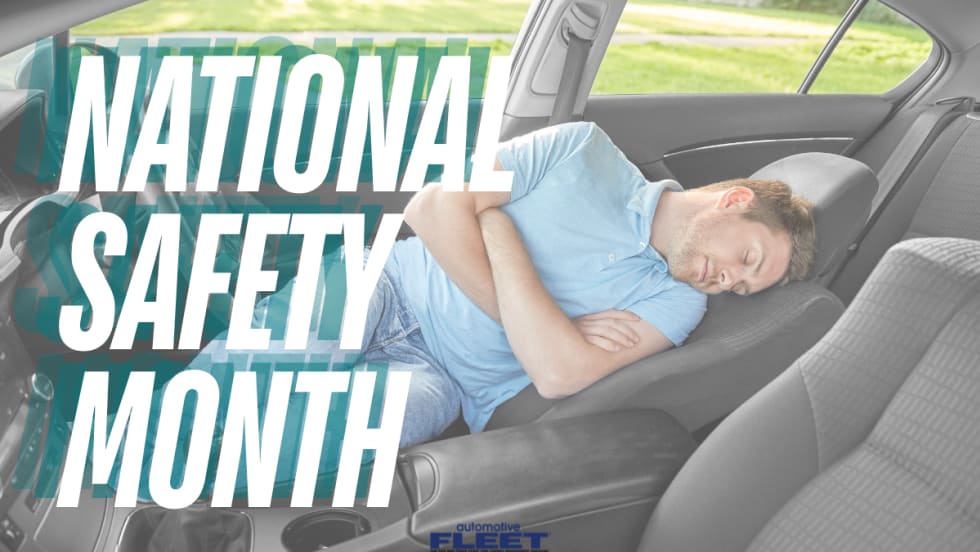
How Emotions Behind the Wheel Can Affect Fleet Safety
During National Safety Month, fleets are encouraged to look beyond distracted driving and recognize how stress, fatigue, and emotional well-being influence driver performance and crash risk.
Read More →
Nominations Open for 2026 Fleet Safety Award
Nominations have officially opened for the 2026 Fleet Safety Award Winner.
Read More →
Turning Connected Vehicle Data Into Decisions That Matter
Fleet leaders have more data than ever, but turning that data into clear, actionable decisions remains a challenge. This white paper shows how leading organizations are using connected vehicle data to improve safety, reduce costs, and optimize fleet performance. Learn how to turn insight into action across your fleet.
Read More →

Cameras, Safety and Insurance: From Reactive Claims to Real-time Prevention
Commercial auto remains one of the most challenging and costly lines of coverage for fleet operators and insurers alike. Learn more about how to effectively address these issues from Onur Aksan, Enterprise Business Development Executive, Geotab.
Read More →
NAFA Fleet Safety Symposium to Collocate With 2026 Fleet Forward Conference
The daylong certificate program will precede the Fleet Forward Conference at the Gaylord National Harbor in Maryland.
Read More →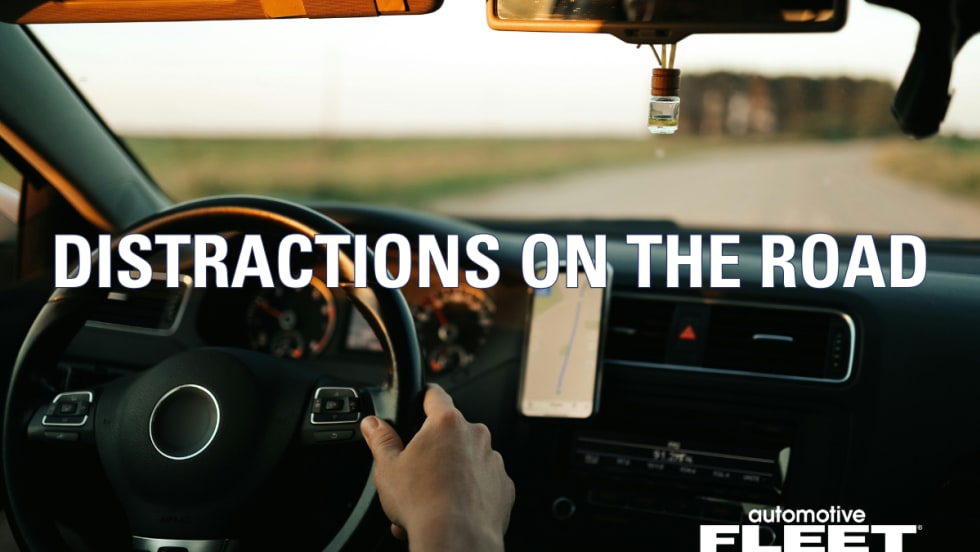
The Distractions You Can’t Turn Off: What Drivers Face Outside the Vehicle
Fleet drivers face constant visual, cognitive, and environmental interruptions the moment they hit the road. From roadside chaos to mental fatigue and digital overload, today’s biggest driving risks often come from outside the vehicle itself.
Read More →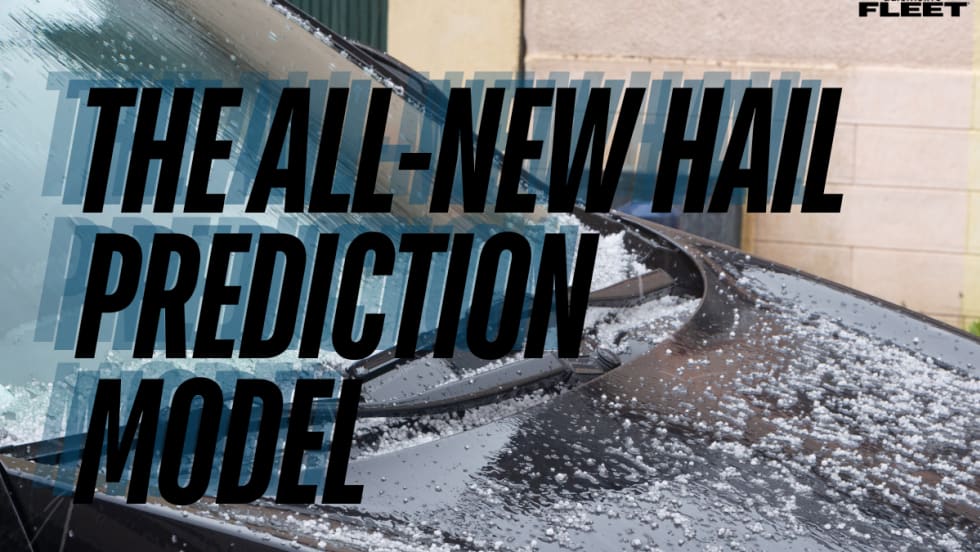
FLASH Weather AI Launches First Deep-Learning Hail Prediction Model With High-Resolution Forecasting
FLASH Weather AI has launched a first-of-its-kind hail prediction model capable of forecasting hail size and arrival time at 1-kilometer resolution up to 55 minutes ahead, giving fleets and insurers critical time to prepare for severe storms.
Read More →
How Coca-Cola United Protects Its Fleet from Growing Legal Risk
As litigation risk rises, vehicles are increasingly targeted. This Coca-Cola bottler shares how it’s reducing exposure through driver training, technology, and a proactive risk management approach.
Read More →
How to Speak the Same Language on Fleet Safety
Drivers, supervisors, and data often speak different safety “languages.” Getting on the same page will drive better results.
Read More →
Fleet Cybersecurity 101: What You Need from Your Technology Vendors
From identity management to third-party certifications, the right technology partner should make security easier to manage. Here are the three building blocks that fleet managers need to stay in control as connected systems scale.
Read More →