




Gulf Coast Oil Producers Prepare for Hurricane Ike
SAN FRANCISCO --- Crude futures fell from a high of nearly $110 per barrel Monday, amid a rally in the U.S. stock market and the strengthening of the U.S. dollar. However, energy traders are still weighing Hurricane Ike's potential to disrupt oil production.
SAN FRANCISCO --- Crude futures fell from a high of nearly $110 per barrel Monday, amid a rally in the U.S. stock market and the strengthening of the U.S. dollar. However, energy traders still weighing Hurricane Ike's potential to disrupt oil production in the Gulf of Mexico, MarketWatch reported.
The U.S. stock market and dollar drew strength from the news that the government was taking over mortgage giants Fannie Mae and Freddie Mac.
Hurricane Ike and its projected path into the Gulf of Mexico provided some support for oil, "yet the macro picture with the Fannie and Freddie bailout seems to be trumping the storm as the dollar rallies and money flows to equities," Phil Flynn, a vice president at Alaron Trading, told MarketWatch.
Crude oil for October delivery fell by $1.13 to $105.10 a barrel in electronic trading on Globex. It traded as high as $109.89 earlier, MarketWatch reported. October crude dropped 88 cents to $105.35 on the New York Mercantile Exchange after dropping 8 percent last week.
Traders are watching Ike and it should be an interesting week "as it isn't projected to make landfall until next weekend after strengthening once it gets into the Gulf," Darin Newsom, a senior analyst at DTN, told MarketWatch.
Ike weakened to a Category 2 storm from a Category 4 after making landfall in Cuba. Forecasters predict the hurricane will move into the Gulf of Mexico and hit somewhere between Texas and Alabama by this weekend. Ike may emerge into the southeastern Gulf of Mexico by Tuesday night. Its impact on the Gulf could threaten major U.S. oil and gas production areas.
Nearly 80 percent of the oil production and about 70 percent of natural gas production in the Gulf of Mexico have been shut-in, the U.S. Minerals Management Service said.
"Offshore oil and gas operators in the Gulf of Mexico who are re-boarding platforms and rigs and restoring production following Hurricane Gustav are now starting to take precautions for Hurricane Ike," MMS told MarketWatch.
More Fuel
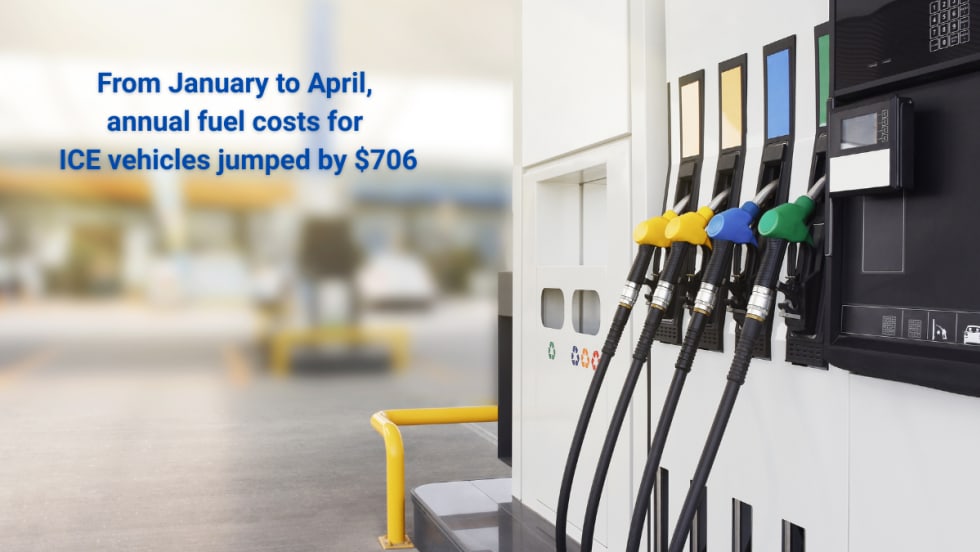
Study: How 2026's Gas Price Hikes Affect Different Vehicle Types
New data from iSeeCars reveals how rising fuel costs have affected different vehicle segments as gasoline prices climbed nearly 46% over the past four months.
Read More →
Are You Tracking Your Fleet's True Total Cost of Ownership?
Bobit Business Media surveyed 190 fleet professionals and found that while most fleets are tracking costs, fragmented systems and data gaps are keeping true TCO visibility out of reach. With rising pressure to control spend in an increasingly volatile environment, the gap between what fleets think they know and what the data actually shows is wider than you might expect. See how your peers are managing costs today and where the industry still has room to improve.
Read More →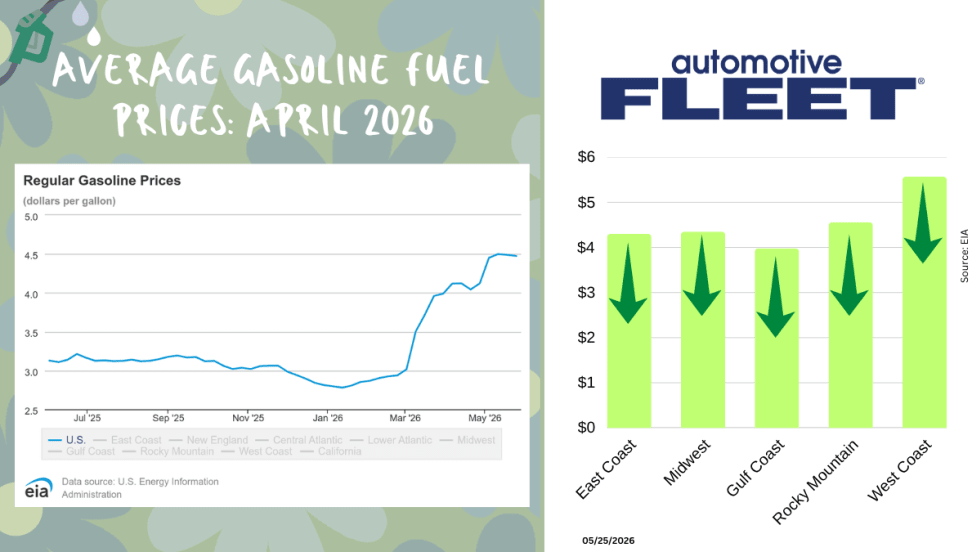
May Fuel Update: All Regions Experience Declines
Gas prices are finally easing in much of the country, but experts warn global tensions could quickly reverse the trend as the national average remains well above last month’s levels.
Read More →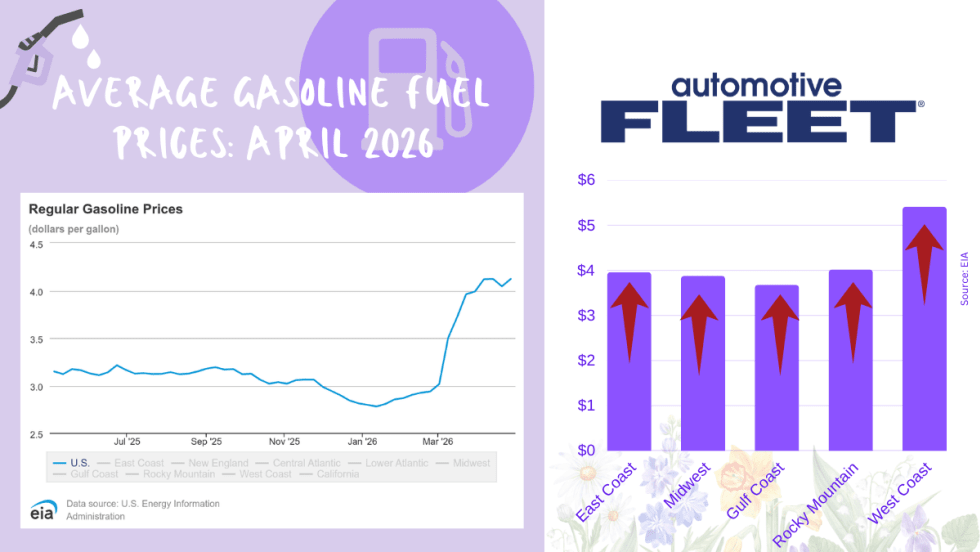
April Fuel Update: Prices Climb Above $4 as Spring Surge Accelerates
National average jumps to $4.04 per gallon, up sharply from last year, with West Coast prices topping $5 and further increases expected amid rising oil tensions.
Read More →
Tips from Fleet Managers on Saving Fuel Costs
Fleet leaders share practical strategies to reduce fuel spend through smarter policy, routing, and driver guidance.
Read More →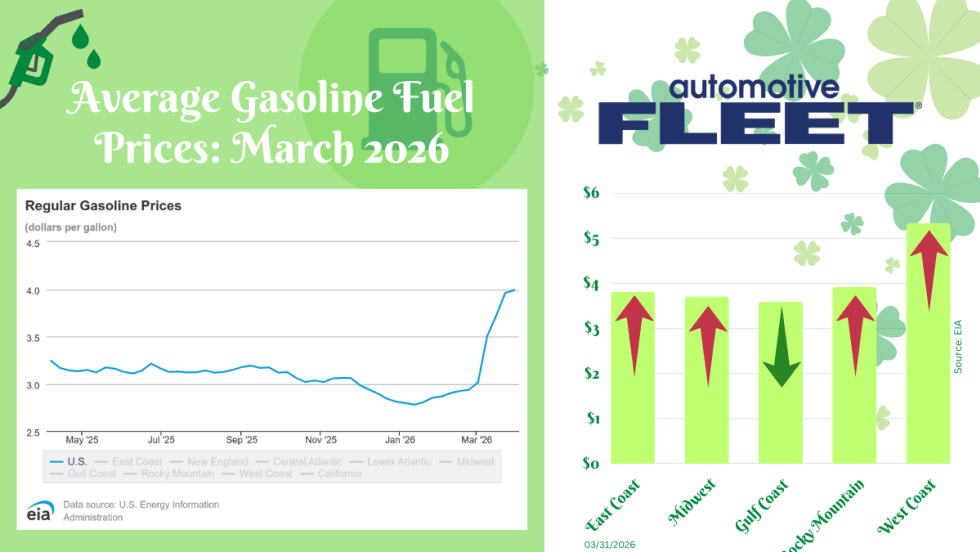
March Fuel Update: Prices Settle With a $4 Average
Fuel prices significantly slowed this week, but a $4 national average is still expected.
Read More →
Bob Adamsky on Fuel Volatility: “Don’t Panic — Have a Plan”
With oil prices rising again, AWP Safety’s fleet manager shares how to respond to rising fuel costs and how the right strategy can turn fuel spikes into cost-saving opportunities.
Read More →
Oil Market Turbulence Is Complicating Fleet Cost Planning
Rapid swings in crude oil prices driven by the conflict in the Middle East could create longer-term cost pressures for fleets, affecting fuel prices, supply chains, and vehicle strategy, says NTEA’s Andrew Wrobel.
Read More →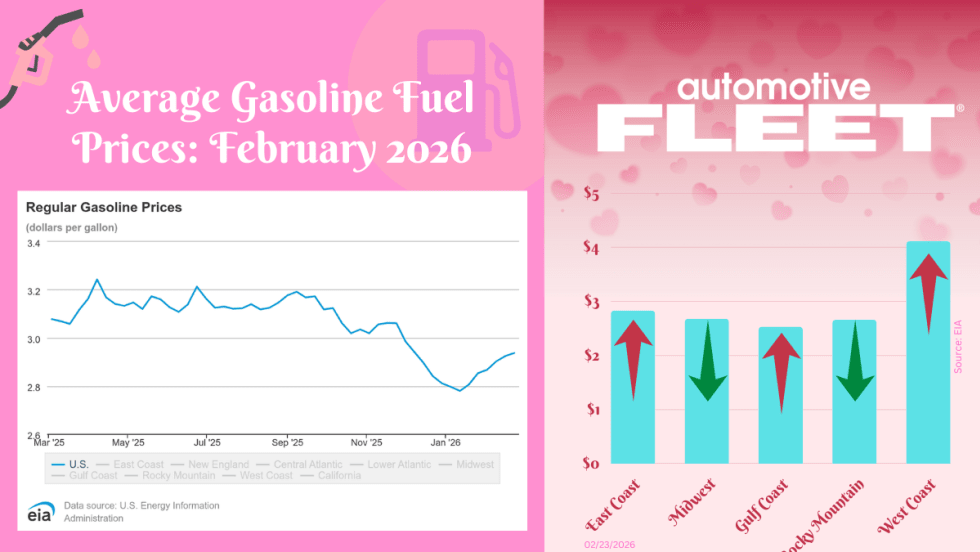
February Fuel Update: Prices Inch Higher for Third Week in a Row
The final February fuel update reveals prices continuing to inch higher for the third week in a row.
Read More →
The 2026 Fuel Economy Guide: Updated Cost and Efficiency Benchmarks for Fleets
Fleet managers can use the DOE’s 2026 Fuel Economy Guide to benchmark MPG across powertrain types using side-by-side vehicle ratings and compare new model-year options.
Read More →