




Consumer Reports: Some Hybrid Cars Can Save Owners Thousands Over Five Years
YONKERS, N.Y. --- With gas prices soaring, Consumer Reports' latest analysis of owner costs shows that drivers can save anywhere from $500 to $4,250 over a five-year ownership period by choosing selected hybrids rather than similar conventional gasoline-powered vehicles.
YONKERS, N.Y. --- With gas prices soaring, Consumer Reports' latest analysis of owner costs shows that drivers can save anywhere from $500 to $4,250 over a five-year ownership period by choosing selected hybrids rather than similar conventional gasoline-powered vehicles.
Six of the 12 hybrids CR experts looked at -- Toyota Prius and hybrid versions of the Chevrolet Malibu, Chevrolet Tahoe, Ford Escape, Saturn Vue and Toyota Camry -- can save consumers about $500 to $4,250 even without tax credits, and pay back their price premium after only one year. For several of these hybrids, owners can save even more by taking advantage of federal tax credits.
Consumer Reports experts compared the five-year owner costs of 12 hybrids with those of similar conventional vehicles using Consumer Reports' new-car owner-cost estimates, introduced in the April 2008 issue. The Toyota Camry hybrid, which gets 34 mpg overall in CR's tests, saves the most money, about $4,250 over five years compared with a similarly equipped four-cylinder Toyota Camry XLE, which gets 24 mpg.
The Saturn Vue Greenline Hybrid can save about $3,000, while the Toyota Prius and Chevrolet Tahoe save $2,000 and $1,500 respectively, when compared to their non-hybrid counterparts, Consumer Reports said. With tax credits, the Vue and Tahoe come out ahead by about $4,500 and $3,700. Federal tax incentives are no longer available for Toyota and Lexus hybrids.
The report, "Which Hybrids save you money," is available in the October issue of Consumer Reports, on sale September 2 on newsstands and online at www.ConsumerReports.org.
The October issue of CR also features an analysis of how drivers can save gas and money by opting for a car with a stick shift. In recent tests, Consumer Reports found that cars with a manual transmission can improve gas mileage by a notable 2 to 5 mpg, compared with an automatic transmission, and can cut a car's price by $800 to $1,200.
It would take many years for most hybrids to pay back their premium price just on fuel savings alone. But fuel costs are a relatively small part -- 25 percent -- of the overall owner costs in the first five years. Other factors include depreciation, insurance, interest on financing, maintenance and repairs, and sales tax. Cost estimates were based on driving 12,000 miles per year and paying $4 per gallon for regular gasoline and $4.20 for premium.
"Most of the hybrids tested by CR have done really well, but hybrids have higher initial upfront costs," said Rik Paul, automotive editor for Consumer Reports. "If you can afford that initial cost, you can be better off buying one, and driving one might make you feel greener."
The Honda Civic, Nissan Altima, and Saturn Aura hybrids will cost drivers a little more than their conventional counterparts -- from $250 to $750 over five years -- but some consumers might find it worthwhile to drive a more environmentally friendly car. With federal tax incentives, all three come out ahead after just one year.
Three hybrids -- the Lexus GS 450h and RX 400h and the Toyota Highlander Hybrid -- cost more than their counterparts in the first five years. They show five-year losses ranging from about $1,250 for the Highlander to $5,500 for the GS.
Interest in hybrids has been on a parallel trajectory with gas prices. Hybrid sales jumped almost 40 percent last year. According to a recent Consumer Reports survey, 32 percent of active car shoppers are considering a hybrid for their next vehicle. And this past summer, automakers had a difficult time keeping up with demand for the most popular models.
In addition to being thrifty with fuel, hybrids emit less pollution, with some models classified as Partial Zero Emission Vehicles by the California Air Resources Board. They also release fewer greenhouse gases because each gallon of gasoline not burned prevents the emission of 19 pounds of carbon dioxide.
With higher gas prices, many hybrids now provide a definite benefit in overall owner cost, despite an initial price premium. Still, if saving money right out of the gate is important, some conventional cars provide good fuel economy and cost less than hybrids. Consumer Reports advises people to decide what type of vehicle is right for them and then to choose one that gets good gas mileage for its class and rates highly in CR's road tests and reliability, safety and ownership-cost ratings.
More Green Fleet

Turning Connected Vehicle Data Into Decisions That Matter
Fleet leaders have more data than ever, but turning that data into clear, actionable decisions remains a challenge. This white paper shows how leading organizations are using connected vehicle data to improve safety, reduce costs, and optimize fleet performance. Learn how to turn insight into action across your fleet.
Read More →
Are You Tracking Your Fleet's True Total Cost of Ownership?
Bobit Business Media surveyed 190 fleet professionals and found that while most fleets are tracking costs, fragmented systems and data gaps are keeping true TCO visibility out of reach. With rising pressure to control spend in an increasingly volatile environment, the gap between what fleets think they know and what the data actually shows is wider than you might expect. See how your peers are managing costs today and where the industry still has room to improve.
Read More →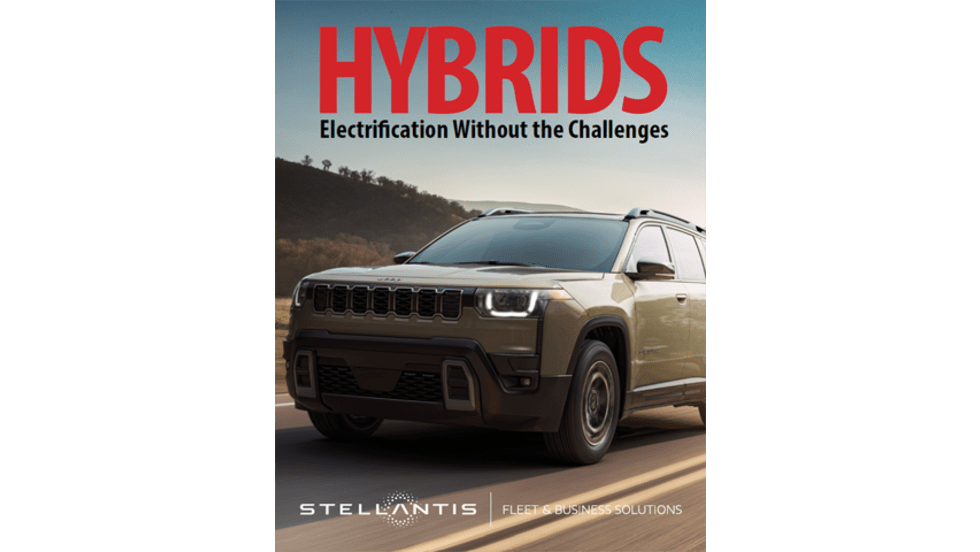
Hybrids: Electrification Without the Challenges
For fleet managers, fuel is one of the biggest line items in the budget — and it's one hybrids can shrink without changing how your people work. Download the eBook to see the numbers, understand the technology, and get a step-by-step guide to making the switch.
Read More →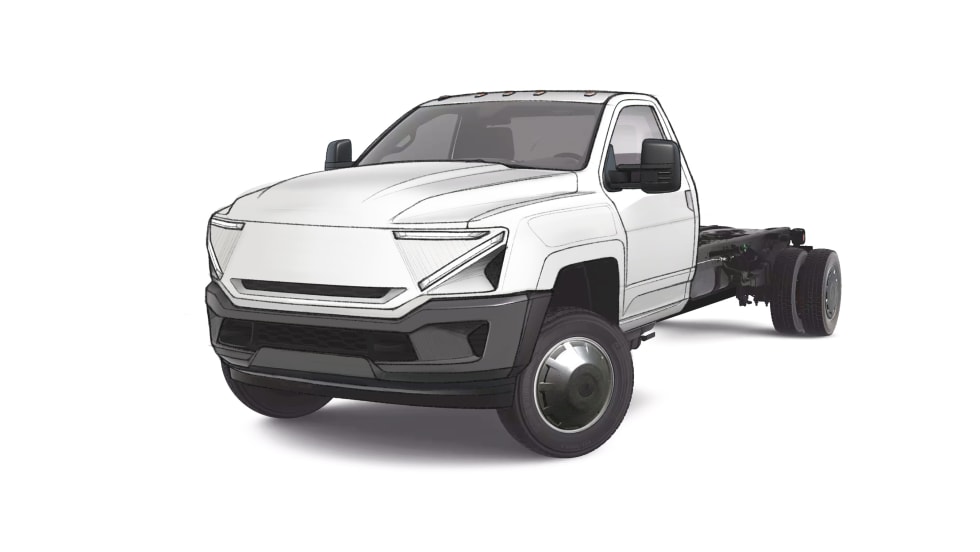
Startup ZMD Motors Developing Electric Conversion for Ram 5500 Work Trucks
Detroit-based company says it has begun early development of a system to convert internal combustion Ram 5500 chassis-cab trucks to electric power.
Read More →
U.S. EV Adoption Is Climbing, but Commercial and Passenger Markets Diverge
New industry group data revealed that light-duty electric vehicle sales are hitting record market share and volumes, while commercial EV volume dipped. What’s driving the fluctuations?
Read More →
How To Upfit Electric Work Trucks and Vans
The biggest challenge lies in balancing additional equipment and accessories with EV battery capacity and range.
Read More →
How Fleets Can Adjust Approaches To EV Adoption
With the expiration of federal incentives, EV success now hinges less on government policy and more on discounts, battery tech progress, increased range, and broader infrastructure.
Read More →
Despite World Troubles, Forward Thinking Guides Fleets
Fleet operators shared their challenges during an annual conference that embraced the latest advances across all aspects of running private- and public-sector vehicles.
Read More →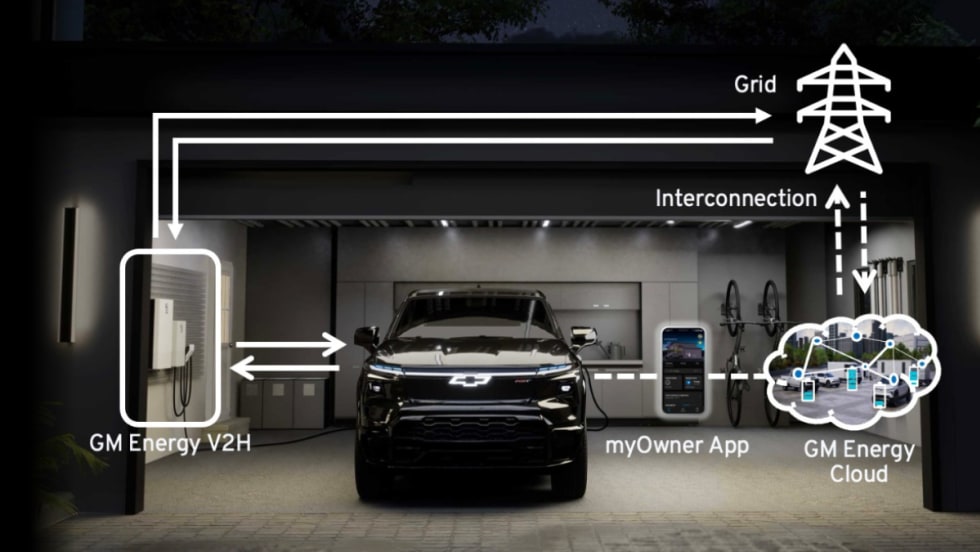
GM Energy Details Partnerships and Targets for Public Charging Build-Out
EVgo, Pilot, ChargePoint and IONNA named; goal is 35k GM-invested DC stalls by 2030, with customer-experience upgrades at sites.
Read More →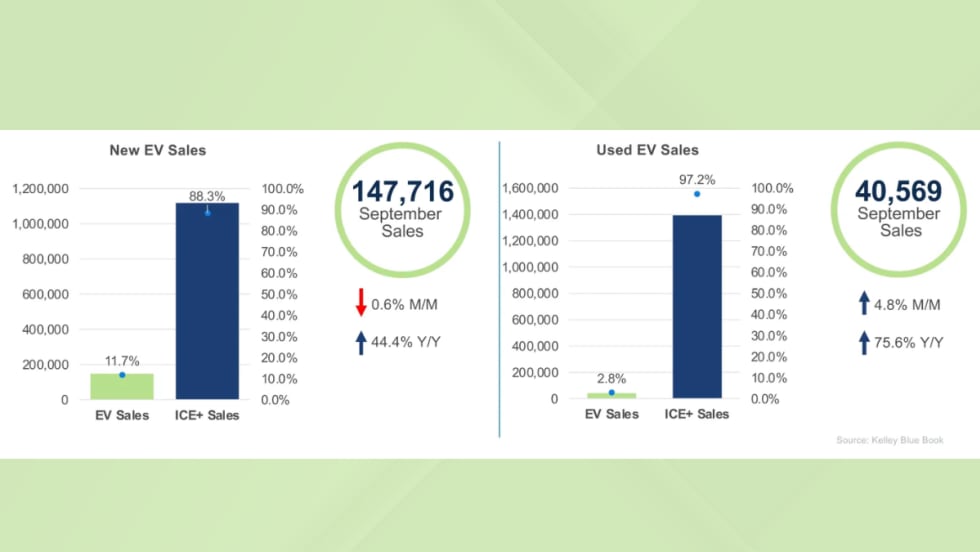
Q3 Electric Vehicles Sales Hit Record High
EV buyers took advantage of the final federal tax credit days, while average prices edged up for new EVs and continued to decline for used models.
Read More →