




Fleets Can Save Money and Reduce Emissions, According to Networkcar's New Green Paper
SAN DIEGO – Networkcar's new paper, "Go Green and Save Green," details the six areas that can help fleets significantly reduce fuel consumption and lower air pollution.
SAN DIEGO– Fleets can reduce harmful greenhouse emissions while lowering operating costs, according to a new paper by Networkcar, a wireless fleet management provider. The new paper, "Go Green and Save Green," details the six areas that can significantly reduce fuel consumption and lower air pollution. The paper also provides examples of how small, medium, and large fleets can decrease fuel usage from between 3,000 to 58,000 gallons per year while reducing carbon dioxide emissions from between 54,000 to 1.3 million pounds annually.
"Lowering vehicle emissions is closely tied to reducing fuel costs and improving operating efficiency. To have the most impact, fleets need to go beyond systems that only monitor GPS location to those that also monitor engine diagnostics," said Keith Schneider, president of Networkcar. "Wireless fleet management systems such as Networkfleet that connect directly to the vehicle's engine computer can provide information such as exact fuel consumption, mileage, speed, and idle time for each vehicle. This information is essential to achieving a green fleet."
The paper identifies the six ways that wireless fleet management systems with diagnostic monitoring can reduce emissions and lower costs, including:
1. Reduce idle time: Excessive idling wastes fuel and increases vehicle emissions. Systems can be used to track and report idle time and compare miles per gallon across vehicles.
2. Improve vehicle maintenance: Receiving instant notification of any engine problems and automatic odometer readings help fleets ensure that vehicles run smoothly and use less fuel.
3. Reduce speeding: The ability to monitor actual speed provides fleet managers with the precise information needed to counsel drivers and reduce speeding, which causes unnecessary fuel consumption.
4. Reduce unauthorized vehicle usage: Fleets can reduce unnecessary vehicle use by monitoring vehicle location and hours of operation.
5. Optimize routing: By analyzing driving patterns and using historical location reports, fleets can choose routes that reduce miles and optimize driving schedules.
6. Continuous emissions monitoring: Vehicles in compliance with EPA requirements use less fuel than those that are non-compliant. In California, fleets with wireless emissions monitoring can eliminate physical smog checks at smog checking facilities, saving time and money.
The full green paper, "Go Green and Save Green – Wireless Fleet Management Systems Cuts Emissions While Reducing Operating Costs," can be downloaded free at
http://www.networkcar.com/networkcar/pub/whitepaper.
More Green Fleet

Turning Connected Vehicle Data Into Decisions That Matter
Fleet leaders have more data than ever, but turning that data into clear, actionable decisions remains a challenge. This white paper shows how leading organizations are using connected vehicle data to improve safety, reduce costs, and optimize fleet performance. Learn how to turn insight into action across your fleet.
Read More →
Are You Tracking Your Fleet's True Total Cost of Ownership?
Bobit Business Media surveyed 190 fleet professionals and found that while most fleets are tracking costs, fragmented systems and data gaps are keeping true TCO visibility out of reach. With rising pressure to control spend in an increasingly volatile environment, the gap between what fleets think they know and what the data actually shows is wider than you might expect. See how your peers are managing costs today and where the industry still has room to improve.
Read More →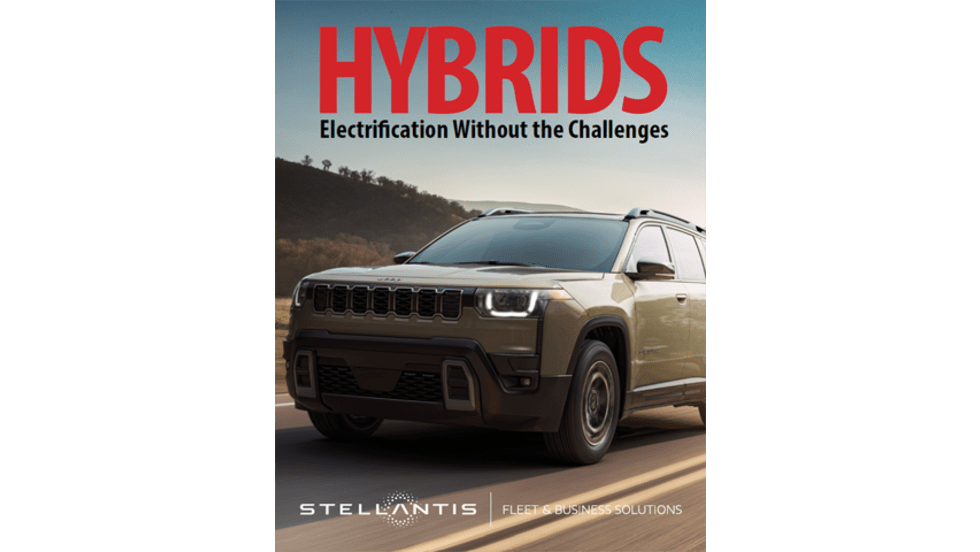
Hybrids: Electrification Without the Challenges
For fleet managers, fuel is one of the biggest line items in the budget — and it's one hybrids can shrink without changing how your people work. Download the eBook to see the numbers, understand the technology, and get a step-by-step guide to making the switch.
Read More →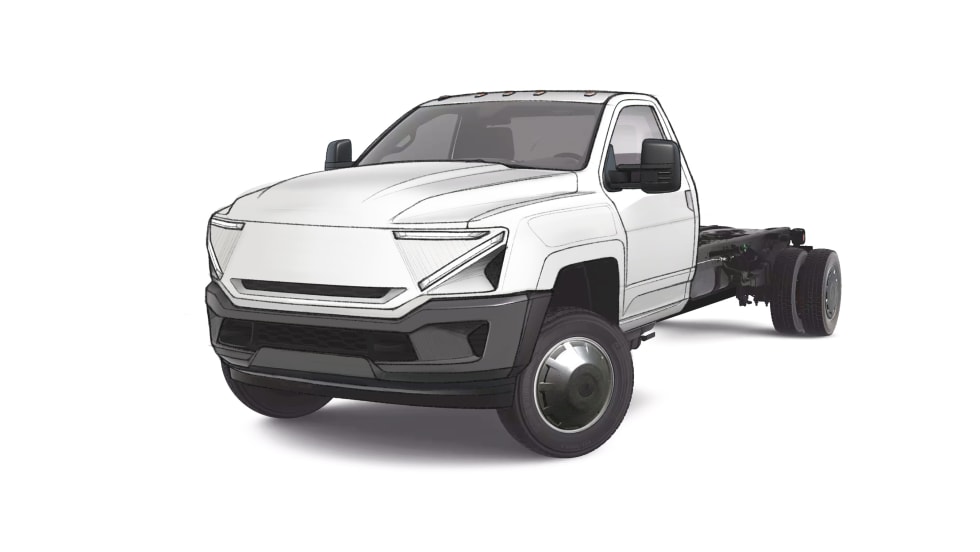
Startup ZMD Motors Developing Electric Conversion for Ram 5500 Work Trucks
Detroit-based company says it has begun early development of a system to convert internal combustion Ram 5500 chassis-cab trucks to electric power.
Read More →
U.S. EV Adoption Is Climbing, but Commercial and Passenger Markets Diverge
New industry group data revealed that light-duty electric vehicle sales are hitting record market share and volumes, while commercial EV volume dipped. What’s driving the fluctuations?
Read More →
How To Upfit Electric Work Trucks and Vans
The biggest challenge lies in balancing additional equipment and accessories with EV battery capacity and range.
Read More →
How Fleets Can Adjust Approaches To EV Adoption
With the expiration of federal incentives, EV success now hinges less on government policy and more on discounts, battery tech progress, increased range, and broader infrastructure.
Read More →
Despite World Troubles, Forward Thinking Guides Fleets
Fleet operators shared their challenges during an annual conference that embraced the latest advances across all aspects of running private- and public-sector vehicles.
Read More →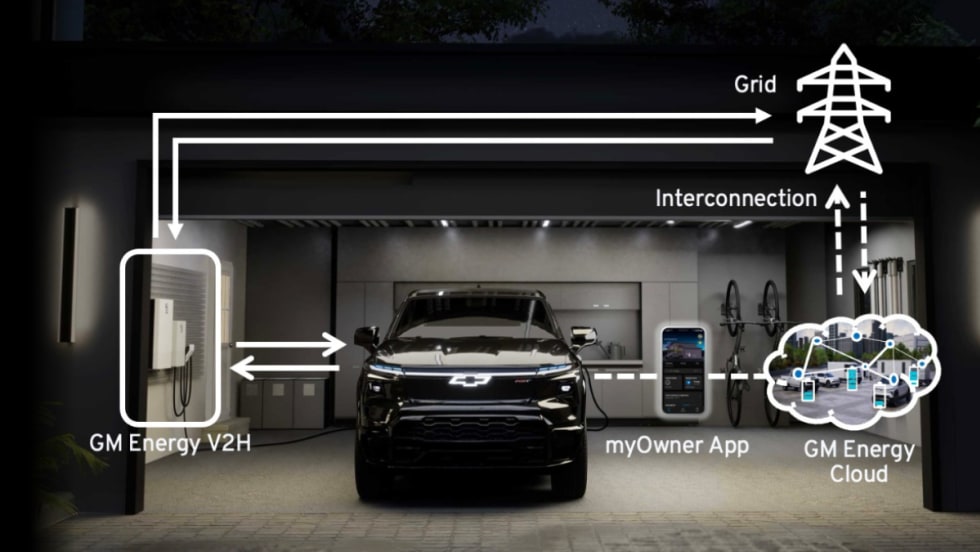
GM Energy Details Partnerships and Targets for Public Charging Build-Out
EVgo, Pilot, ChargePoint and IONNA named; goal is 35k GM-invested DC stalls by 2030, with customer-experience upgrades at sites.
Read More →
Q3 Electric Vehicles Sales Hit Record High
EV buyers took advantage of the final federal tax credit days, while average prices edged up for new EVs and continued to decline for used models.
Read More →