




Volvo Trucks' Hybrid Technology Used for Trash Collection in Sweden
GOTHENBURG, Sweden --- Volvo Trucks is taking a major step toward commercialization of its hybrid technology for heavy vehicles by launching two hybrid garbage trucks that will be tested in Sweden by trash-collection firms Renova and Ragn-Sells.
GOTHENBURG, Sweden --- Volvo Trucks is taking a major step toward commercialization of its hybrid technology for heavy vehicles by launching two hybrid garbage trucks that will be tested in Sweden by trash-collection firms Renova and Ragn-Sells.
"This test phase is the last stage in the evaluation of our hybrid solution ahead of production launch," said Staffan Jufors, president and CEO of the Volvo Truck Corp. "Since we presented our first concept vehicle in 2006, we have seen considerably heightened market interest in this technology."
Commercial production of the hybrid trucks is set for 2009. Volvo's hybrid solution combines a diesel engine with an electric motor. The electric motor is used for moving off from standstill and for acceleration up to 20 km/h. At higher speeds, the diesel engine is activated. When the truck stops, the diesel engine automatically switches off, thus avoiding unnecessary idling.
The batteries are recharged using the power generated during braking, making this system highly suitable for operating cycles involving repeated stops and starts, such as trash-collection duties. The hybrid garbage trucks are expected to use up to 20 percent less fuel and thus cut carbon dioxide emissions by a corresponding amount, Volvo said.
One of the trucks is also equipped with an extra battery pack that drives the trash compactor, and this is charged via the main electrical system when the truck is parked overnight. The truck's total reduction in carbon dioxide emissions is expected to be as much as 30 percent.
Electric power has the added advantage of being entirely exhaust-free and emitting low noise, important considerations for garbage-collection vehicles that often operate in urban areas early in the morning.
"Hybrid technology will play a major role in the future as the climate issue and oil dependency come into ever-sharper focus," said Mats Franzen, engine manager of product strategy and planning at Volvo Trucks. "No matter which fuels dominate in the future, their supply will be limited. Technology that leads to lower fuel consumption will be of immense interest to our customers, irrespective of the type of haulage operation with which they work."
For distribution trucks, fuel consumption may be able to be cut by 20 to 30 percent, Franzen said. In long-haul operations, the percentage reduction will not be as great but since these trucks cover long distances, the total fuel saving will nonetheless be considerable.
More Green Fleet

Turning Connected Vehicle Data Into Decisions That Matter
Fleet leaders have more data than ever, but turning that data into clear, actionable decisions remains a challenge. This white paper shows how leading organizations are using connected vehicle data to improve safety, reduce costs, and optimize fleet performance. Learn how to turn insight into action across your fleet.
Read More →
Are You Tracking Your Fleet's True Total Cost of Ownership?
Bobit Business Media surveyed 190 fleet professionals and found that while most fleets are tracking costs, fragmented systems and data gaps are keeping true TCO visibility out of reach. With rising pressure to control spend in an increasingly volatile environment, the gap between what fleets think they know and what the data actually shows is wider than you might expect. See how your peers are managing costs today and where the industry still has room to improve.
Read More →
Hybrids: Electrification Without the Challenges
For fleet managers, fuel is one of the biggest line items in the budget — and it's one hybrids can shrink without changing how your people work. Download the eBook to see the numbers, understand the technology, and get a step-by-step guide to making the switch.
Read More →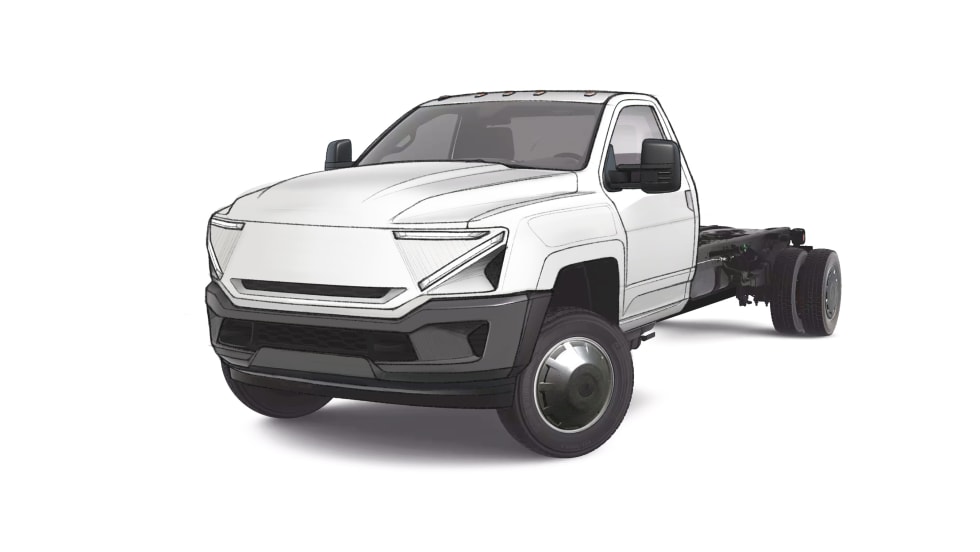
Startup ZMD Motors Developing Electric Conversion for Ram 5500 Work Trucks
Detroit-based company says it has begun early development of a system to convert internal combustion Ram 5500 chassis-cab trucks to electric power.
Read More →
U.S. EV Adoption Is Climbing, but Commercial and Passenger Markets Diverge
New industry group data revealed that light-duty electric vehicle sales are hitting record market share and volumes, while commercial EV volume dipped. What’s driving the fluctuations?
Read More →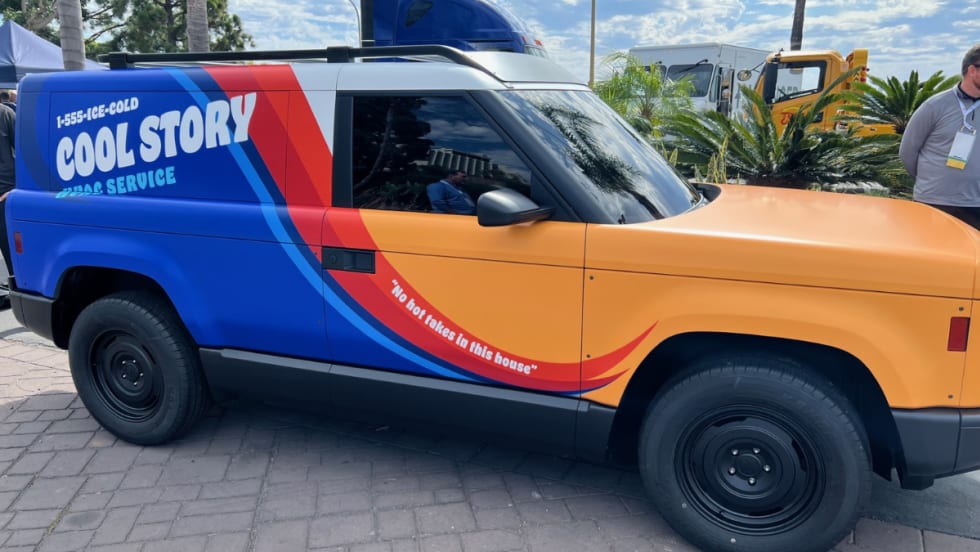
How To Upfit Electric Work Trucks and Vans
The biggest challenge lies in balancing additional equipment and accessories with EV battery capacity and range.
Read More →
How Fleets Can Adjust Approaches To EV Adoption
With the expiration of federal incentives, EV success now hinges less on government policy and more on discounts, battery tech progress, increased range, and broader infrastructure.
Read More →
Despite World Troubles, Forward Thinking Guides Fleets
Fleet operators shared their challenges during an annual conference that embraced the latest advances across all aspects of running private- and public-sector vehicles.
Read More →
GM Energy Details Partnerships and Targets for Public Charging Build-Out
EVgo, Pilot, ChargePoint and IONNA named; goal is 35k GM-invested DC stalls by 2030, with customer-experience upgrades at sites.
Read More →
Q3 Electric Vehicles Sales Hit Record High
EV buyers took advantage of the final federal tax credit days, while average prices edged up for new EVs and continued to decline for used models.
Read More →