




NHTSA Urges Motorists to Respond to Recalls
WASHINGTON, D.C. --- The National Highway Traffic Safety Administration is urging owners of certain unrepaired Ford, Lincoln and Mercury SUVs, pickup trucks, vans and passenger cars that contain a safety defect to bring their vehicles to dealer repair shops immediately to have the cruise control switch disconnected.
WASHINGTON, D.C. --- The National Highway Traffic Safety Administration is urging owners of certain unrepaired Ford, Lincoln and Mercury SUVs, pickup trucks, vans and passenger cars that contain a safety defect to bring their vehicles to dealer repair shops immediately to have the cruise control switch disconnected.
Many dealers will perform this as a drive-through service so owners do not have to leave their vehicles at the dealership or schedule an appointment in advance.
Failure to have the switch disconnected could lead to a vehicle fire at any time, whether or not the key is in the ignition, and whether or not owners use the cruise control system, the NHTSA said.
The safety agency added that the fire danger is present regardless of the age of the vehicle, and could even occur while the vehicle is parked and unattended. Several dwelling fires have been attributed to the problem.
NHTSA said it is issuing the consumer advisory due to concerns that many owners have yet to respond to multiple safety defect recall notifications involving approximately 9.6 million registered vehicles. It said that approximately 5 million vehicles have been repaired so far, leaving some 5 million passenger cars and light trucks with the faulty switches intact, and in danger of catching fire.
Ford and NHTSA urged all owners of recalled vehicles that have not been repaired to bring their vehicles to dealers as soon as possible to have the faulty switches disconnected, as an interim safety measure. Ford is in the process of re-notifying owners of the SUVs and other light trucks concerning the importance of having the switch disconnected.
This interim fix will eliminate the risk of fire while affected Ford and Mercury owners are waiting for final repairs from the company, NHTSA said.
The involved vehicles are:
1. 1993 – 2004 F150
2. 1993 – 1999 F250 (gasoline engine)
3. 1993 – 1996 Bronco
4. 1994 – 1996 Econoline
5. 1997 – 2002 Ford Expedition
6. 1998 – 2002 Lincoln Navigator
7. 1998 – 2002 Ford Ranger
8. 1992 – 1998 Ford Crown Victoria, Mercury Grand Marquis and Lincoln Town Car
9. 1993 – 1998 Lincoln Mark VIII
10. 1993 – 1995 Ford Taurus SHO with automatic transmission
11. 1994 – Mercury Capri
12. 1998 – 2001 Ford Explorer and Mercury Mountaineer
13. 2001 – 2002 Ford Explorer Sport and Explorer Sport Trac
14. 1992 – 1993 and 1997 – 2003 Ford E-150-350 gasoline or natural gas vehicles
15. 2002 – E-550 gasoline engine vehicles
16. 1996 – 2003 E-450 gasoline or natural gas vehicles
17. 1994 – 2002 F-250 through F-550 super Duty trucks (gasoline engine)
18. 2000 – 2002 Ford Excursion (gasoline engine)
19. 2003 – F250 – F550 Super Duty, Ford Excursion
20. 1995 – 2002 Ford F53 Motor home chassis
21. 2002 – 2003 Lincoln Blackwood
More Safety
Nominations Open for 2026 Fleet Safety Award
Nominations have officially opened for the 2026 Fleet Safety Award Winner.
Read More →
Turning Connected Vehicle Data Into Decisions That Matter
Fleet leaders have more data than ever, but turning that data into clear, actionable decisions remains a challenge. This white paper shows how leading organizations are using connected vehicle data to improve safety, reduce costs, and optimize fleet performance. Learn how to turn insight into action across your fleet.
Read More →
Cameras, Safety and Insurance: From Reactive Claims to Real-time Prevention
Commercial auto remains one of the most challenging and costly lines of coverage for fleet operators and insurers alike. Learn more about how to effectively address these issues from Onur Aksan, Enterprise Business Development Executive, Geotab.
Read More →
NAFA Fleet Safety Symposium to Collocate With 2026 Fleet Forward Conference
The daylong certificate program will precede the Fleet Forward Conference at the Gaylord National Harbor in Maryland.
Read More →
The Distractions You Can’t Turn Off: What Drivers Face Outside the Vehicle
Fleet drivers face constant visual, cognitive, and environmental interruptions the moment they hit the road. From roadside chaos to mental fatigue and digital overload, today’s biggest driving risks often come from outside the vehicle itself.
Read More →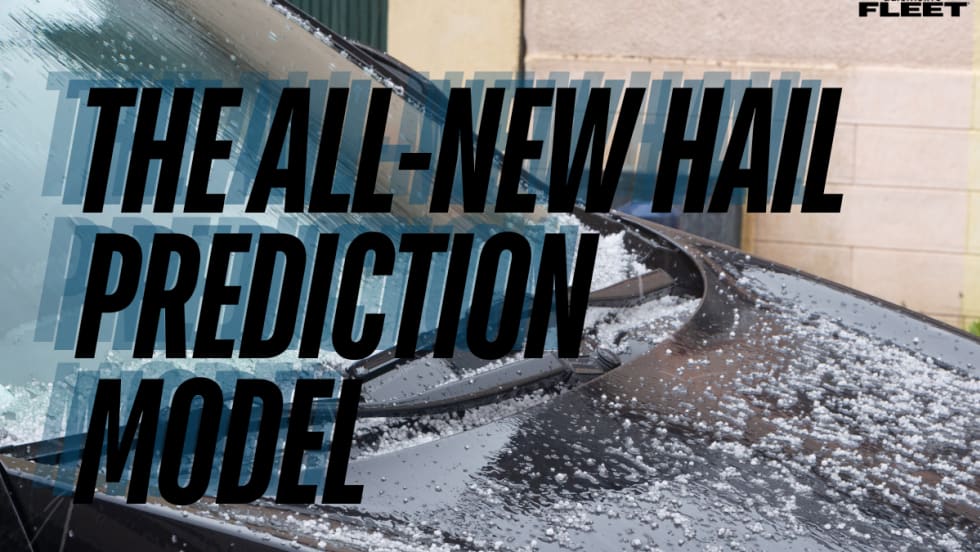
FLASH Weather AI Launches First Deep-Learning Hail Prediction Model With High-Resolution Forecasting
FLASH Weather AI has launched a first-of-its-kind hail prediction model capable of forecasting hail size and arrival time at 1-kilometer resolution up to 55 minutes ahead, giving fleets and insurers critical time to prepare for severe storms.
Read More →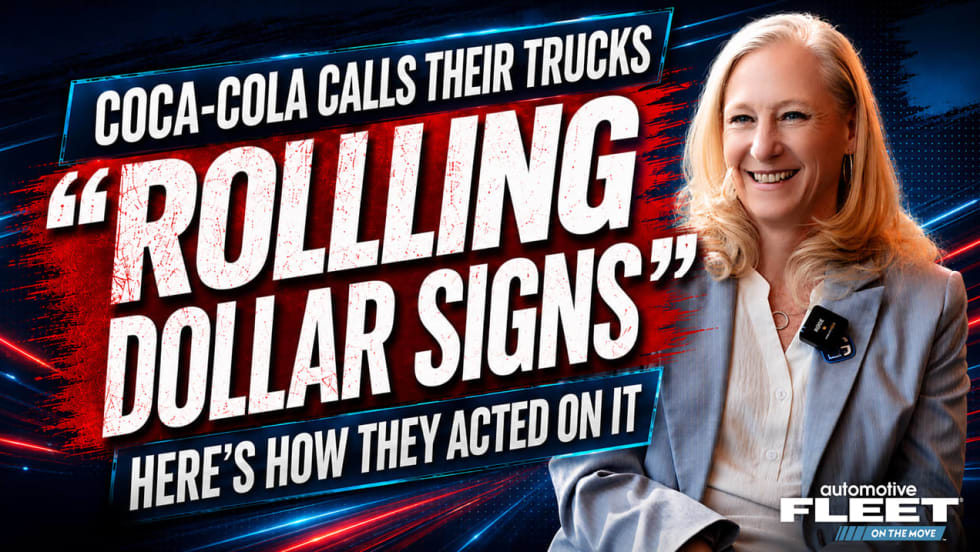
How Coca-Cola United Protects Its Fleet from Growing Legal Risk
As litigation risk rises, vehicles are increasingly targeted. This Coca-Cola bottler shares how it’s reducing exposure through driver training, technology, and a proactive risk management approach.
Read More →
How to Speak the Same Language on Fleet Safety
Drivers, supervisors, and data often speak different safety “languages.” Getting on the same page will drive better results.
Read More →
Fleet Cybersecurity 101: What You Need from Your Technology Vendors
From identity management to third-party certifications, the right technology partner should make security easier to manage. Here are the three building blocks that fleet managers need to stay in control as connected systems scale.
Read More →
Reducing Risk by Eliminating Phone Use Behind the Wheel
Distracted driving remains one of the most persistent risks in fleet operations. New approaches focus on removing mobile device use entirely while adding real-time safety support.
Read More →