




AAA Study: Calif.'s LA/OC Crashes Cost $11 Billion Annually
LOS ANGELES --- A report released by AAA shows that traffic crashes in the Los Angeles/Orange County area cost nearly $11 billion annually --– more than the massive price tag associated with traffic congestion, according to the Automobile Club of Southern California.
LOS ANGELES --- A report released by AAA shows that traffic crashes in the Los Angeles/Orange County area cost nearly $11 billion annually --– more than the massive price tag associated with traffic congestion, according to the Automobile Club of Southern California.
The report, "Crashes: What’s the Cost to Society?," reveals that in most areas of the country, the cost of traffic crashes far outweighs the cost of traffic congestion. The cost of crashes includes such items as medical/emergency/police services, property damage, lost productivity, and reduced quality of life.
However, in Los Angeles and Orange counties, traffic congestion is at such a high level that its "cost to society" is just slightly lower than that of traffic crashes. According to the study, conducted on behalf of AAA by the transportation policy firm Cambridge Systematics, traffic congestion costs the Los Angeles/Orange County region an estimated $9.3 billion annually, while traffic crashes cost $10.85 billion --- about $817 per person.
"This study clearly demonstrates that both traffic safety and traffic congestion are a tremendous challenge to Southern California in terms of out-of-pocket costs and reduced quality of life," said Alice Bisno, the Auto Club's vice president for public affairs. "In theory, the ability to get from place to place quickly and safely is of great importance to people in today’s busy world. But in practice, there isn't as much focus as there should be on taking aggressive steps to reduce the number of traffic crashes."
The Auto Club and AAA are calling on leaders at all levels of government to focus more attention on preventing crash deaths and injuries. Reducing both vehicle crashes and traffic congestion can be achieved through enhanced traffic law enforcement, improved highway safety, and better management of traffic incidents, said Bisno.
A recent Auto Club analysis of California crash statistics shows that collision deaths dropped sharply in the 1980s and 1990s at the same time that the number of licensed drivers was increasing. However, in recent years, the number of statewide crash fatalities has begun rising again.
"In the 1980s and 1990s, crash fatalities decreased because of numerous vehicle safety improvements such as airbags and increased use of seatbelts, as well as changes in public perception about the acceptability of drinking and driving," said Steven Bloch, the Auto Club's senior traffic safety researcher. "But after a nearly two-decade decline, the number of crash fatalities in California rose by 21 percent from 1998 through 2006. About 4,000 people die and 300,000 are injured each year in California traffic crashes. That creates a drain on limited medical and safety resources and a staggering cost emotionally and financially to families and society at large."
The Los Angeles/Orange County metropolitan area has the highest "cost of congestion" and the second-highest "cost of crashes" among all metropolitan areas in the U.S. The area with the highest cost of crashes annually is the metropolitan area encompassing New York City, Newark, N.J. and Edison, N.J.
The study includes several recommendations to improve safety, including support for a national safety goal of cutting surface transportation fatalities in half by 2025, as recommended by the National Surface Transportation Policy and Revenue Study Commission.
The Cambridge report summary contains the study conclusions and recommendations. The full Cambridge report includes detailed statistics for each major metropolitan area in the U.S.
More Safety
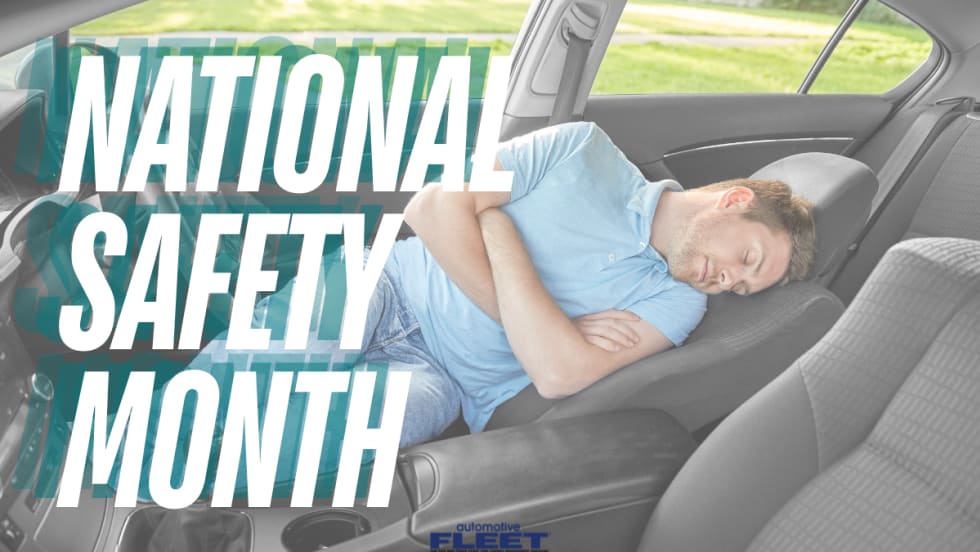
How Emotions Behind the Wheel Can Affect Fleet Safety
During National Safety Month, fleets are encouraged to look beyond distracted driving and recognize how stress, fatigue, and emotional well-being influence driver performance and crash risk.
Read More →
Nominations Open for 2026 Fleet Safety Award
Nominations have officially opened for the 2026 Fleet Safety Award Winner.
Read More →
Turning Connected Vehicle Data Into Decisions That Matter
Fleet leaders have more data than ever, but turning that data into clear, actionable decisions remains a challenge. This white paper shows how leading organizations are using connected vehicle data to improve safety, reduce costs, and optimize fleet performance. Learn how to turn insight into action across your fleet.
Read More →

Cameras, Safety and Insurance: From Reactive Claims to Real-time Prevention
Commercial auto remains one of the most challenging and costly lines of coverage for fleet operators and insurers alike. Learn more about how to effectively address these issues from Onur Aksan, Enterprise Business Development Executive, Geotab.
Read More →
NAFA Fleet Safety Symposium to Collocate With 2026 Fleet Forward Conference
The daylong certificate program will precede the Fleet Forward Conference at the Gaylord National Harbor in Maryland.
Read More →
The Distractions You Can’t Turn Off: What Drivers Face Outside the Vehicle
Fleet drivers face constant visual, cognitive, and environmental interruptions the moment they hit the road. From roadside chaos to mental fatigue and digital overload, today’s biggest driving risks often come from outside the vehicle itself.
Read More →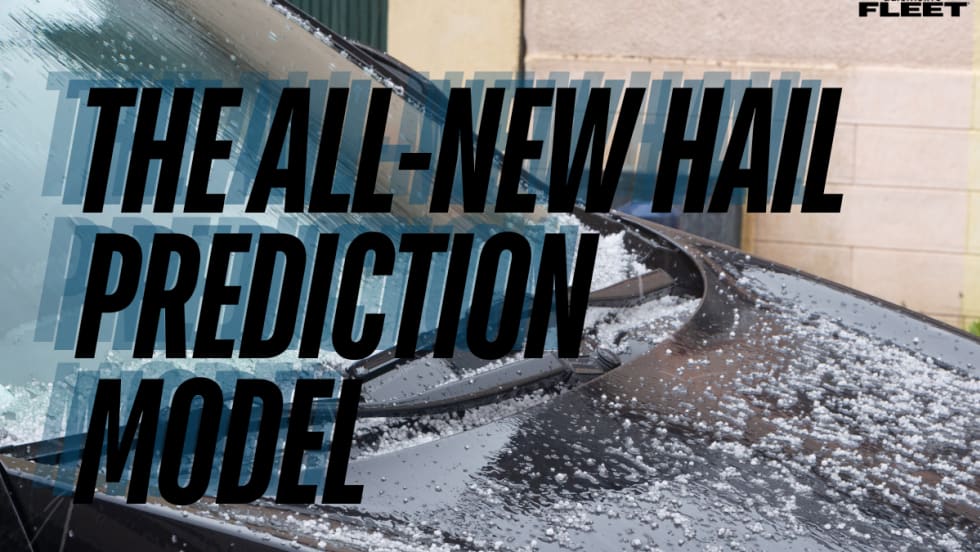
FLASH Weather AI Launches First Deep-Learning Hail Prediction Model With High-Resolution Forecasting
FLASH Weather AI has launched a first-of-its-kind hail prediction model capable of forecasting hail size and arrival time at 1-kilometer resolution up to 55 minutes ahead, giving fleets and insurers critical time to prepare for severe storms.
Read More →
How Coca-Cola United Protects Its Fleet from Growing Legal Risk
As litigation risk rises, vehicles are increasingly targeted. This Coca-Cola bottler shares how it’s reducing exposure through driver training, technology, and a proactive risk management approach.
Read More →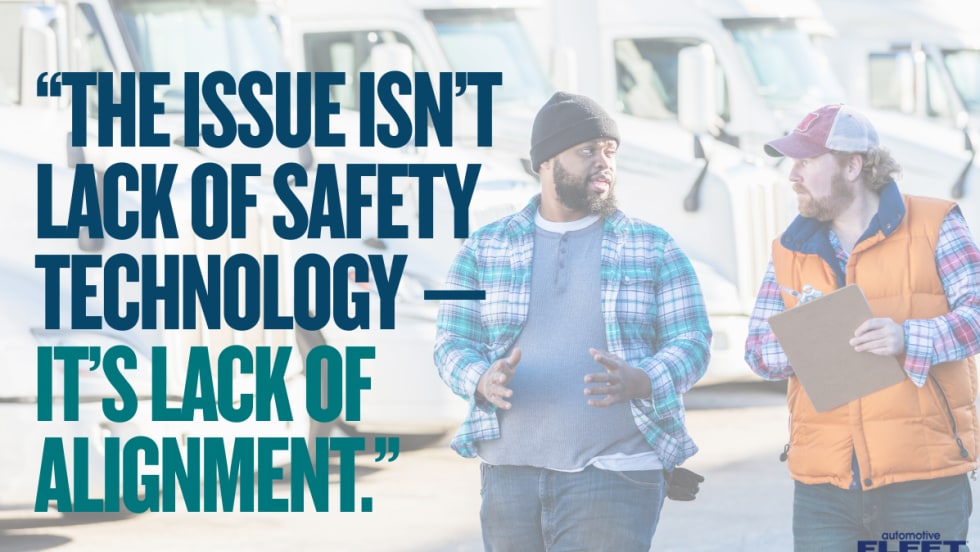
How to Speak the Same Language on Fleet Safety
Drivers, supervisors, and data often speak different safety “languages.” Getting on the same page will drive better results.
Read More →
Fleet Cybersecurity 101: What You Need from Your Technology Vendors
From identity management to third-party certifications, the right technology partner should make security easier to manage. Here are the three building blocks that fleet managers need to stay in control as connected systems scale.
Read More →