




Chrysler’s Plans for Commercial Fleet Allocation
DETROIT - Automotive Fleet magazine recently talked with Steven Landry, executive vice president – North American Sales at Chrysler LLC, about the manufacturer’s future in fleet.
DETROIT - Automotive Fleet magazine recently talked with Steven Landry, executive vice president – North American Sales at Chrysler LLC, about the manufacturer’s future in fleet. Landry reveals key strategies for commercial, government, and rental fleet sales, as well as how Chrysler plans to increase vehicle residual values.
AF: It has been reported that Chrysler is cutting back its commercial fleet allocation. Is this true?
Landry: No. As a matter of fact our plan is to increase commercial and government fleet sales as these are good business for Chrysler. We achieved record sales in the commercial and government fleet markets in 2007 and we will continue our commitment to developing this business.
AF: Why has Chrysler cut back on program car sales to daily rental companies?
Landry: The reduction of daily rental fleet is in line with the company’s business plan to focus our product on retail business first and improve the residual value of our product. We are committed to the strong relationship that we have with our daily rental customers. These companies serve an important demand in the marketplace. We will continue to foster this strong relationship.
AF: How is an intended reduction in rental sales going to influence residual values?
Landry: With less vehicles in rental fleets, we will have fewer vehicles coming back to auction and with a lower supply of used vehicles, this will assist in increasing the residual value of our products.
AF: What other initiatives does Chrysler have in place to enhance residual values?
Landry: Our product strategies put the customer first. We are increasing the value of our product by adding more options to our vehicles at a discounted price. We are also developing more fuel efficient engines. We currently have more than 1.5 million ethanol-capable vehicles on the road. In 2007, we produced nearly 250,000 more E85-capable vehicles, and in 2008 we plan to double that number. We are also managing the mix of the vehicles that go into rental service to maximize customer value.
AF: What are your goals for government fleet sales?
Landry: Government fleet sales are defined as sales to state and local municipalities and to the federal government. This is an important area of business that we want to continue to grow. Some great examples of our growth strategy initiatives are Dodge’s re-entry into the Medium Duty truck market with Dodge Ram 4500 and 5500 Chassis Cabs, and into the Police vehicle market with Dodge Charger.
AF: Chrysler has entered the medium-duty truck market for the first time in 30 years. How will these new products help expand your commercial market fleet share?
Landry: By introducing our full-line of commercial vehicles, including Dodge Ram Chassis Cabs, Dodge Grand Caravan Cargo Van and Dodge Sprinter Passenger, Cargo and Chassis Cabs, we now have a full compliment of products to satisfy all the fleet needs of our current and future potential customers. We’re proud that the Dodge Ram 3500 Chassis Cab has achieved nearly one-third share of the market while having just been in the marketplace less than a year.
AF: How committed to the commercial fleet market is Chrysler under its new management? What initiatives do you have to strengthen sales and customer service to commercial fleet customers?
Landry: We remain fully committed to the Commercial, Government, and Daily Rental markets. To support this important facet of our business, we have recently announced a re-organization within our Fleet Operations creating a dedicated Commercial Truck National Sales and Support team focused on business relations specific to each market. We are confident that with our new organization in place that our fleet customers will continue to see our commitment to this important business.
More Operations
How to Manage Conflict for Your Fleet Operations
Conflict management is becoming a core leadership skill. Here are five strategies fleet leaders should know.
Read More →
Turning Connected Vehicle Data Into Decisions That Matter
Fleet leaders have more data than ever, but turning that data into clear, actionable decisions remains a challenge. This white paper shows how leading organizations are using connected vehicle data to improve safety, reduce costs, and optimize fleet performance. Learn how to turn insight into action across your fleet.
Read More →
Cameras, Safety and Insurance: From Reactive Claims to Real-time Prevention
Commercial auto remains one of the most challenging and costly lines of coverage for fleet operators and insurers alike. Learn more about how to effectively address these issues from Onur Aksan, Enterprise Business Development Executive, Geotab.
Read More →
Are You Tracking Your Fleet's True Total Cost of Ownership?
Bobit Business Media surveyed 190 fleet professionals and found that while most fleets are tracking costs, fragmented systems and data gaps are keeping true TCO visibility out of reach. With rising pressure to control spend in an increasingly volatile environment, the gap between what fleets think they know and what the data actually shows is wider than you might expect. See how your peers are managing costs today and where the industry still has room to improve.
Read More →
Turn Fleet Data Into Smarter Decisions
Fleet leaders have access to more operational data than ever, but disconnected systems and unclear metrics often slow decision-making instead of improving it. This article outlines five practical steps fleets can take to transform fragmented data into actionable insights that improve planning, safety, utilization, and long-term performance.
Read More →
Hybrids: Electrification Without the Challenges
For fleet managers, fuel is one of the biggest line items in the budget — and it's one hybrids can shrink without changing how your people work. Download the eBook to see the numbers, understand the technology, and get a step-by-step guide to making the switch.
Read More →
How NOV Uses Telematics to Improve Fleet Safety Across 160 Locations
James Victory of NOV discusses how the company manages fleet safety, maintenance, and telematics across more than 150 locations supporting oilfield operations throughout the U.S.
Read More →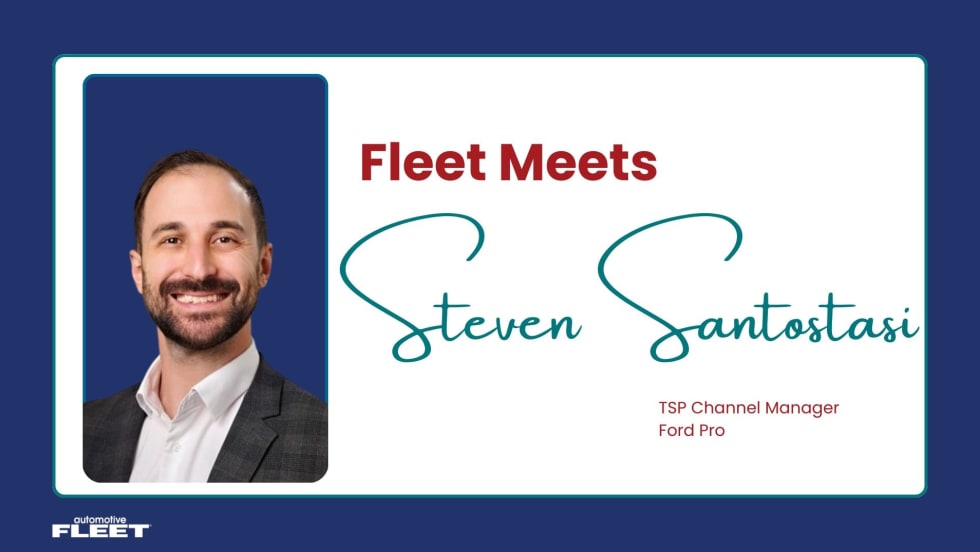
Fleet Meets: Steven Santostasi
This edition of the Fleet Meets series features Steven Santostasi, the current TSP channel manager for Ford Pro.
Read More →
Why Fleet Managers Are Replacing Departmental Vehicles with Shared Motor Pools
Departmentally assigned vehicles often create hidden costs through underutilization, poor visibility, and increased administrative burden. This white paper explores how shared motor pool strategies help fleets reduce costs, improve accountability, and optimize vehicle utilization.
Read More →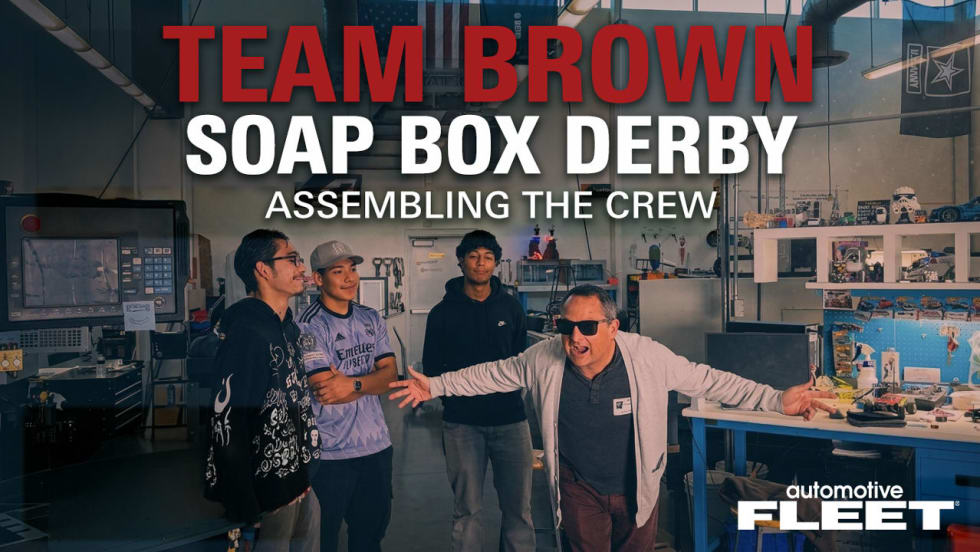
Soap Box Derby Challenge: Assembling the Crew
Meet Gabriel, Matthew, and Angel — the team helping bring this soap box derby build to life.
Read More →