




Ford Fuel Cell Fleet Exceeds Performance Expectations; Test Program Extended
DEARBORN, MI – Ford's 30-unit fuel cell fleet has exceeded expectations of the it hydrogen research engineers and earned accolades for durability, reliability, and capability.
DEARBORN, MI – Ford Motor Company's fleet of 30 fuel cell vehicles has exceeded expectations of the company's hydrogen research engineers by accumulating more than 865,000 real-world miles without significant maintenance issues since the fleet's launch three years ago. The Ford Focus Fuel Cell test vehicles also have earned accolades from the company's global fleet partners for outstanding durability, reliability, and capability.
Encouraged by the program's success, Ford recently reached an agreement with the U.S. Department of Energy to extend its three-year-old hydrogen fuel cell electric vehicle program for up to 24 months, until the next generation system is ready for deployment in the 2010 timeframe.
Ford was one of the first automakers to launch a fleet of hydrogen fuel cell electric vehicles in 2005, after unveiling a prototype in late 2003. Its Focus Fuel Cell fleet partners include a variety of government agencies in California, Florida, Michigan, Canada, Germany, and Iceland, where cold climate testing is expected to result in significant performance improvements on the next generation.
Additional Ford hydrogen projects have included a fleet of 20 H2ICE (hydrogen internal combustion engine) buses, the Fusion Hydrogen 999 that set a land speed record in 2007, a Fuel Cell Explorer, and a Plug-in Hybrid Edge that uses a fuel cell-powered HySeries Drive.
"It's important for Ford to remain active in hydrogen and fuel cell development as a long-term renewable fuel solution," said Roland Krueger, Ford of Europe hydrogen and fuel cell technologies team leader.
According to Ford's global fuel cell team, the first generation Focus Fuel Cell vehicles have lasted three times longer and worked much better than originally expected with virtually no degradation in performance. In light of that success, the U.S. Dept. of Energy (DOE), which shares the program's operating cost with Ford, agreed to extend the program.
"We expected the fuel cells to be much more problematic under real world conditions, but it's a credit to our development process that the vehicles have been very robust," said Scott Staley, Ford hybrid and fuel cell development chief engineer in North America.
Ford supports its fuel cell fleet partners with local project managers and technicians who conduct regular service checks, and collect mileage and performance data for analysis at Ford's Fuel Cell Center in Dearborn, Mich. The vehicles have proven highly reliable, averaging 96 percent uptime.
Ford researchers agree more work must be done before fuel cell vehicles can be commercialized. The biggest challenge according to Rob Riley, Ford fleet manager in California, is building a viable H2 infrastructure with fueling stations across the country. Currently, there are 70 hydrogen fueling stations and most of them are not accessible to the public. California is leading the way having recently opened its 24th station.
Customer surveys suggest purchase consideration also will be dictated by affordability, reliability, and useful life of the vehicle, as well as availability of fueling stations. In addition, parts availability and an adequate number of trained technicians will be essential to ensure convenient customer service of the vehicles.
A chief concern among fleet partners is limited driving range. Ford is addressing that need by doubling fuel storage pressure on select fleet vehicles allowing twice the fuel to be stored in the same volume.
More Green Fleet

Turning Connected Vehicle Data Into Decisions That Matter
Fleet leaders have more data than ever, but turning that data into clear, actionable decisions remains a challenge. This white paper shows how leading organizations are using connected vehicle data to improve safety, reduce costs, and optimize fleet performance. Learn how to turn insight into action across your fleet.
Read More →
Are You Tracking Your Fleet's True Total Cost of Ownership?
Bobit Business Media surveyed 190 fleet professionals and found that while most fleets are tracking costs, fragmented systems and data gaps are keeping true TCO visibility out of reach. With rising pressure to control spend in an increasingly volatile environment, the gap between what fleets think they know and what the data actually shows is wider than you might expect. See how your peers are managing costs today and where the industry still has room to improve.
Read More →
Hybrids: Electrification Without the Challenges
For fleet managers, fuel is one of the biggest line items in the budget — and it's one hybrids can shrink without changing how your people work. Download the eBook to see the numbers, understand the technology, and get a step-by-step guide to making the switch.
Read More →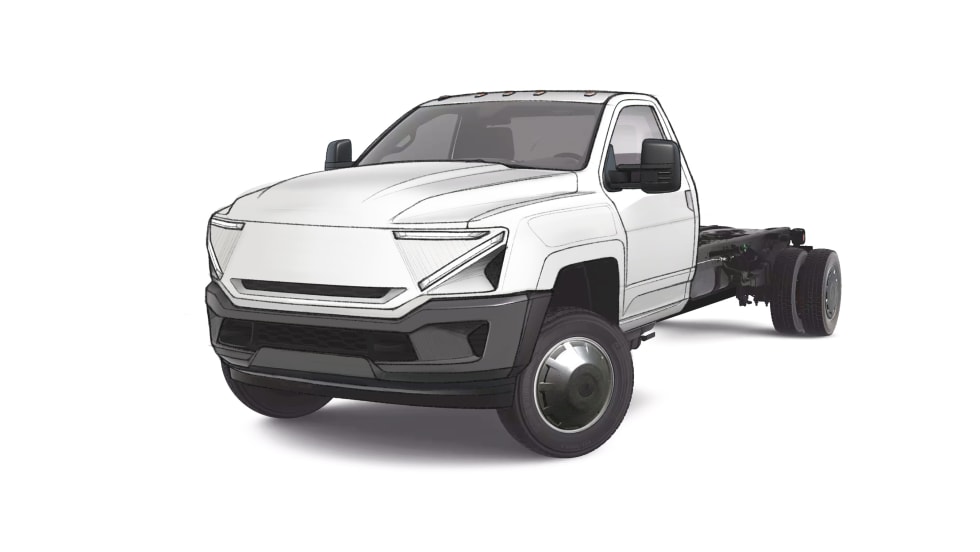
Startup ZMD Motors Developing Electric Conversion for Ram 5500 Work Trucks
Detroit-based company says it has begun early development of a system to convert internal combustion Ram 5500 chassis-cab trucks to electric power.
Read More →
U.S. EV Adoption Is Climbing, but Commercial and Passenger Markets Diverge
New industry group data revealed that light-duty electric vehicle sales are hitting record market share and volumes, while commercial EV volume dipped. What’s driving the fluctuations?
Read More →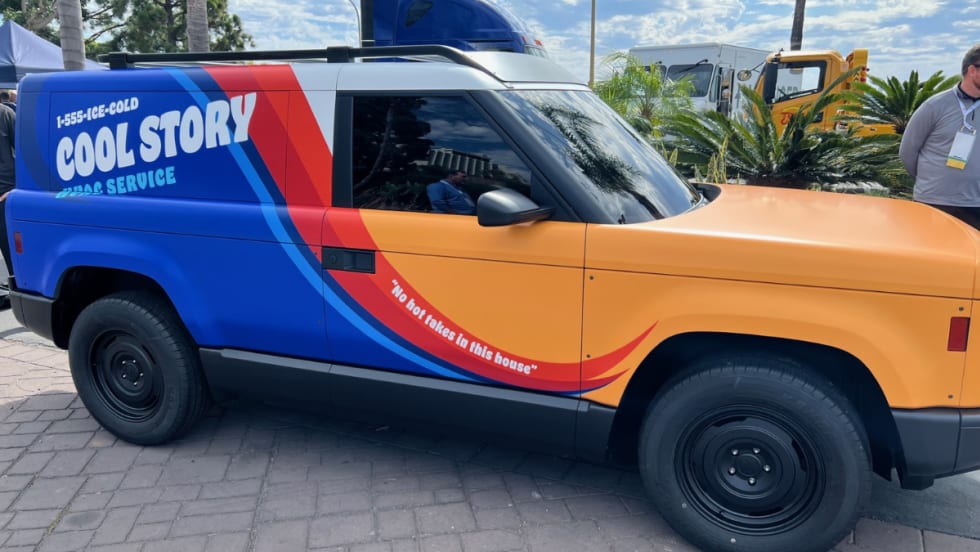
How To Upfit Electric Work Trucks and Vans
The biggest challenge lies in balancing additional equipment and accessories with EV battery capacity and range.
Read More →
How Fleets Can Adjust Approaches To EV Adoption
With the expiration of federal incentives, EV success now hinges less on government policy and more on discounts, battery tech progress, increased range, and broader infrastructure.
Read More →
Despite World Troubles, Forward Thinking Guides Fleets
Fleet operators shared their challenges during an annual conference that embraced the latest advances across all aspects of running private- and public-sector vehicles.
Read More →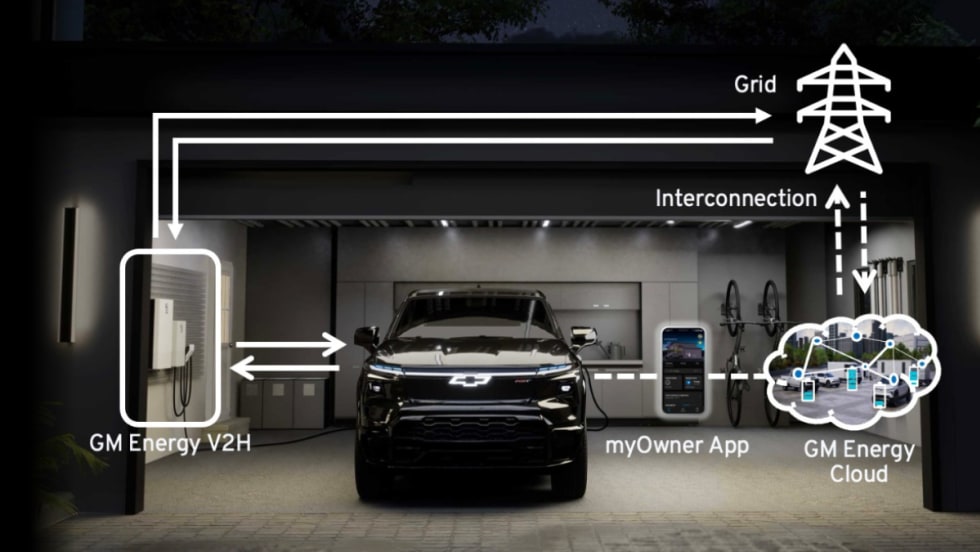
GM Energy Details Partnerships and Targets for Public Charging Build-Out
EVgo, Pilot, ChargePoint and IONNA named; goal is 35k GM-invested DC stalls by 2030, with customer-experience upgrades at sites.
Read More →
Q3 Electric Vehicles Sales Hit Record High
EV buyers took advantage of the final federal tax credit days, while average prices edged up for new EVs and continued to decline for used models.
Read More →