




GM Moves to Fill the Cutaway Gap
A new 14,200-lb. GVWR G-Van diesel cutaway chassis expands the platform’s capabilities in the commercial market. Potential uses include commercial trucks, ambulances, and shuttle buses.

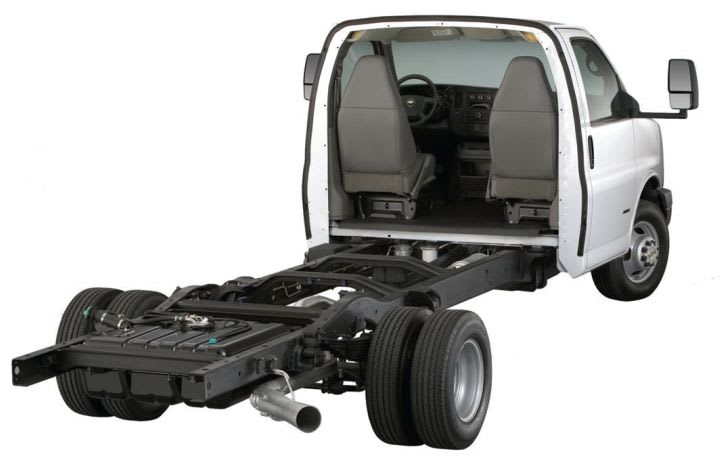
G-Van and 4500 Express/ Savana chassis changes include a reinforced frame assembly with re-valved rear shock absorbers (inset)
Photo: GM
General Motors has moved to fill a market gap with a new 159-inch wheelbase version of the G-Vans, the 4500 Chevrolet Express and GMC Savana, specially developed for the needs of this market. The new chassis will be launched as a 2009-model.
The cutaway van market consists of about 90,000 units, 40% of which fall into Class 4 with GVW ratings of 14,000-16,000 lbs. A little more than half the market is commercial vehicles used for emergency vehicles, airport/hotel shuttles, and student transportation/buses. Other commercial applications include those that require additional GVW and/or heavy duty performance specifications.
The new Class 4 GM cutaway vans provide a high payload capacity and GCW rating, a choice of gasoline or diesel power, and three commercial applications from one chassis, a robust cab design to handle the HD duty cycle, and a 5-year/100,000 mile powertrain warranty.
Most of these vehicles are marketed through specialty vehicle manufacturers (SVMs), who serve as the conduit between GM and end users. They are specially qualified to discuss product features, capabilities, and specifications, provide product comparisons, and recommend specifications.
Two Engines Available
Two engines are available for this chassis, the Duramax 6.6L V-8 diesel and the 6.0L Vortec gasoline engine.
The 6.6L Duramax diesel was updated for the 2007 model-year to meet new stringent federal emissions standards. The 6.0L Vortec includes variable valve timing and offers a 323 BHP output.
Greg Bilski, GM product manager for full-size vans, noted the transmission in the new 4500 cutaway chassis is a GM heavy-duty transmission, not an Allison. "The reason we can’t use the Allison is that it physically doesn’t fit in this application."
He added that for these uses, the chassis is fitted with a 57-gallon rear-mounted fuel tank, providing the range and weight distribution ambulance and shuttlebus markets need. Axle load ratings are 4,600 lbs. front and 9,450 lbs. rear, with dual rear wheels.
Chassis GVWR Increased
A number of chassis changes were required on the chassis to increase the GVWR from 12,300 lbs. to 14,200 lbs. These changes include:
Added frame assembly reinforcements.
A high-capacity rear spring assembly and upgraded rear spring hanger bolt attachments and front ball-joint material.
Retuned front shock absorbers and revalved rear shock absorbers.
Powertrain modifications included a higher-capacity engine cooling radiator, separate transmission fluid cooler, and the heavy-duty GM transmission. The rear axle was upgraded with reinforced housing, gears and tubes, stabilizer bar assembly, and upgraded parking brake system.
The body structure has been upgraded to meet the HD commercial cutaway duty cycle. Inner fender panels, the body outrigger, and the lower tie bar have been improved to meet the HD duty cycle.
This new 4500 Express and Savana will provide customers higher payload at a lower GVWR than the competition, said Bilski.
Originally posted on Work Truck Online
More Vehicle Research
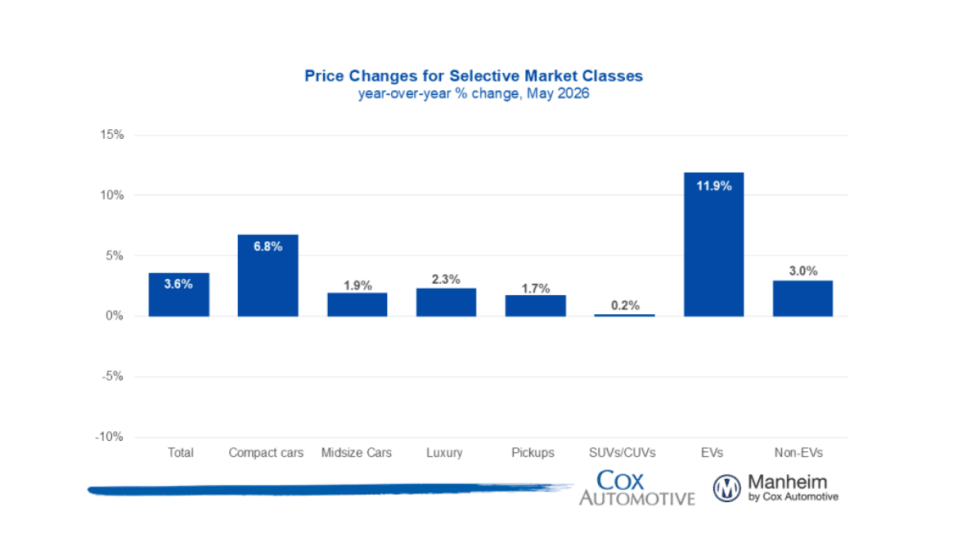
Wholesale Used Vehicle Market Sustains Moderate Rise In Values, Prices
Trends continue to normalize after a strong start to the year, as consumers contend with higher gas prices in the coming summer months.
Read More →
Stellantis Launches Pro One in North America
Stellantis has launched Stellantis Pro One in North America, unifying its commercial vehicle operations under a global business unit and outlining plans for new vans, pickups, and fleet-focused services.
Read More →
The Future of Fleet is Closer Than You Think | AF News Recap
Cybersecurity threats, autonomous vehicle strategies, and hands-on crash testing experiences are all making headlines this week. Here's a quick look at the trends shaping the future of fleet.
Read More →
Nominations Open for 2026 Fleet Safety Award
Nominations have officially opened for the 2026 Fleet Safety Award Winner.
Read More →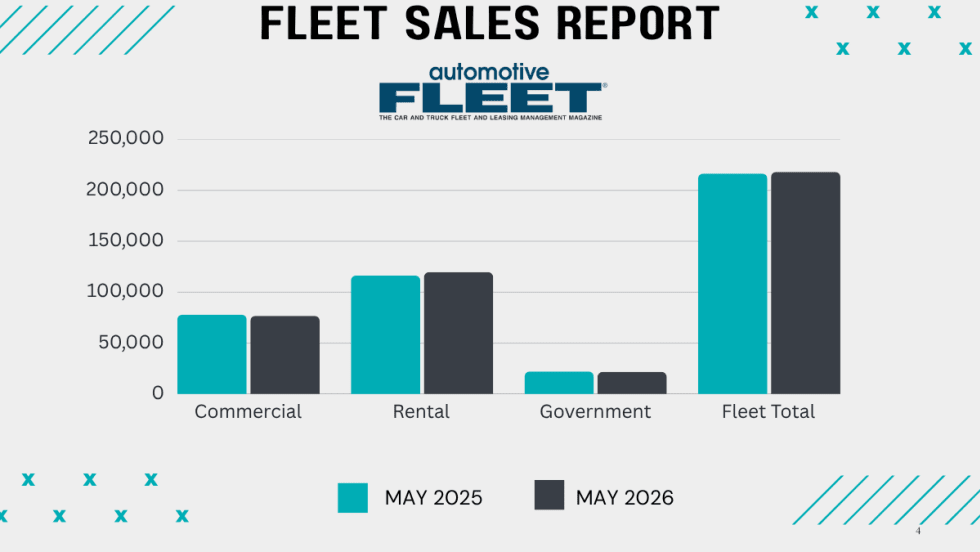
Commercial Fleet Sales Still Lead Sectors Despite May Mini Dip
The U.S. economy's continued growth and positive business investment are creating a favorable environment for fleet vehicle demand.
Read More →
Stellantis Pro One Unveils 2030 Strategy: 11 New Models, Autonomous Concept, and Uptime-as-a-Service
The commercial vehicle division sets ambitious targets, including 30% volume growth and a push toward 100% vehicle uptime through a new ecosystem services platform.
Read More →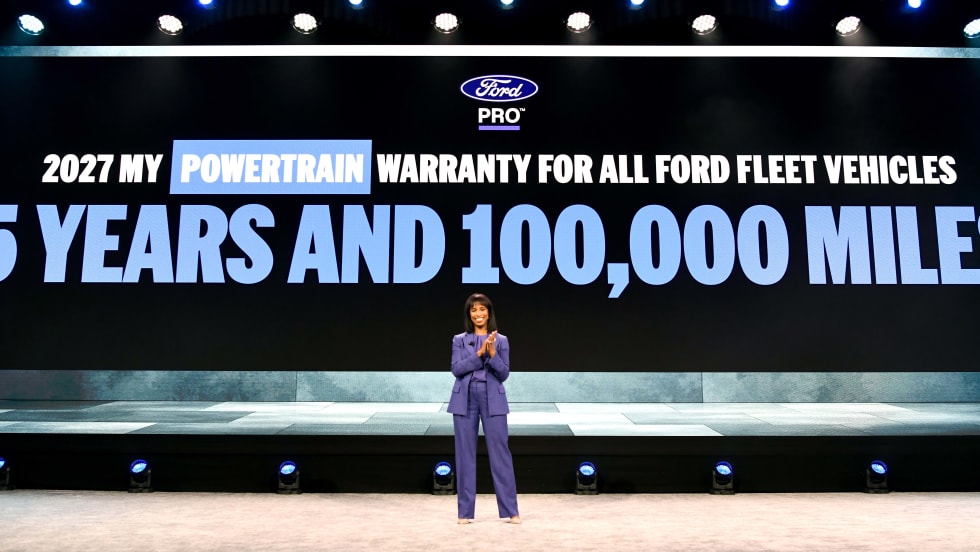
Ford Pro Expands 5-Year/100,000-Mile Powertrain Warranty to Additional Commercial Vehicles
Beginning with the 2027 model year, Ford Pro will extend its 5-year/100,000-mile limited powertrain warranty to a broader range of commercial vehicles, including several SUVs, pickups, and EVs purchased by eligible fleet customers.
Read More →
Why Fleet Management Looks Different in 2026 | AF News Recap
Here’s how rebranding, data strategy, and decades of industry evolution are reshaping fleet leadership.
Read More →
Turning Connected Vehicle Data Into Decisions That Matter
Fleet leaders have more data than ever, but turning that data into clear, actionable decisions remains a challenge. This white paper shows how leading organizations are using connected vehicle data to improve safety, reduce costs, and optimize fleet performance. Learn how to turn insight into action across your fleet.
Read More →
Are You Tracking Your Fleet's True Total Cost of Ownership?
Bobit Business Media surveyed 190 fleet professionals and found that while most fleets are tracking costs, fragmented systems and data gaps are keeping true TCO visibility out of reach. With rising pressure to control spend in an increasingly volatile environment, the gap between what fleets think they know and what the data actually shows is wider than you might expect. See how your peers are managing costs today and where the industry still has room to improve.
Read More →