




Mudslide Safety Tips for Rainy Season
LOS ANGELES --- The U.S. Geological Survey this week issued a warning that severe mudslides are highly likely this winter in Southern California foothill communities hit by recent fires.
LOS ANGELES --- The U.S. Geological Survey this week issued a warning that severe mudslides are highly likely this winter in Southern California foothill communities hit by recent fires.
The Los Angeles Times reported that scientists have identified Pacoima Canyon, Big Tujunga Canyon, the Arroyo Seco, the West Fork of the San Gabriel River and Devils Canyon as being at particular risk. Those areas will see an 80 percent chance of flows.
In some conditions, flows could contain as much as 100,000 cubic yards of debris, scientists forecast. That's enough to cover a football field with mud and rock about 60 feet deep.
Of course, the threat of mudslides is even more pronounced in earthquake country. That fact was amplified in international headlines this week. Mudslides triggered by last week's Indonesian earthquake have wiped out an entire valley of villages on the island of Sumatra. So now is a good time to revisit some mudslide safety tips from the American Red Cross.
What to do during intense storms:
Stay alert and awake. Many debris-flow fatalities occur when people are sleeping. Listen to a NOAA Weather Radio or portable, battery-powered radio or television for warnings of intense rainfall. Be aware that intense, short bursts of rain may be particularly dangerous, especially after longer periods of heavy rainfall and damp weather.
If you are in areas susceptible to mudslides and debris flows, consider leaving if it is safe to do so. Remember that driving during an intense storm can be hazardous. If you remain, move to a second story if possible. Staying out of the path of a mudslide or debris flow saves lives.
Listen for any unusual sounds that might indicate moving debris, such as trees cracking or boulders knocking together. A trickle of flowing or falling mud or debris may precede larger landslides. Moving debris can flow quickly and sometimes without warning.
If you are near a stream or channel, be alert for any sudden increase or decrease in water flow and for a change from clear to muddy water. Such changes may indicate mudslide activity upstream, so be prepared to move quickly. Don't delay! Save yourself, not your belongings.
Be especially alert when driving. Embankments along roadsides are particularly susceptible to mudslides. Watch the road for collapsed pavement, mud, fallen rocks, and other indications of possible debris flows.
Prepare a disaster supply kit for home and car, including:
First aid kit and essential medications
Canned food and can opener
At least three gallons of water per person, per day
Protective clothing, rainwear, and bedding or sleeping bags
Battery-powered radio, flashlight, and extra batteries
Special items for infants, elderly or family members with a disability
Written instructions on how to turn off electricity, gas and water if authorities advise you to do so. You will need a professional to turn them back on.
Source: American Red Cross
More Safety

Nominations Open for 2026 Fleet Safety Award
Nominations have officially opened for the 2026 Fleet Safety Award Winner.
Read More →
Turning Connected Vehicle Data Into Decisions That Matter
Fleet leaders have more data than ever, but turning that data into clear, actionable decisions remains a challenge. This white paper shows how leading organizations are using connected vehicle data to improve safety, reduce costs, and optimize fleet performance. Learn how to turn insight into action across your fleet.
Read More →
Cameras, Safety and Insurance: From Reactive Claims to Real-time Prevention
Commercial auto remains one of the most challenging and costly lines of coverage for fleet operators and insurers alike. Learn more about how to effectively address these issues from Onur Aksan, Enterprise Business Development Executive, Geotab.
Read More →

NAFA Fleet Safety Symposium to Collocate With 2026 Fleet Forward Conference
The daylong certificate program will precede the Fleet Forward Conference at the Gaylord National Harbor in Maryland.
Read More →
The Distractions You Can’t Turn Off: What Drivers Face Outside the Vehicle
Fleet drivers face constant visual, cognitive, and environmental interruptions the moment they hit the road. From roadside chaos to mental fatigue and digital overload, today’s biggest driving risks often come from outside the vehicle itself.
Read More →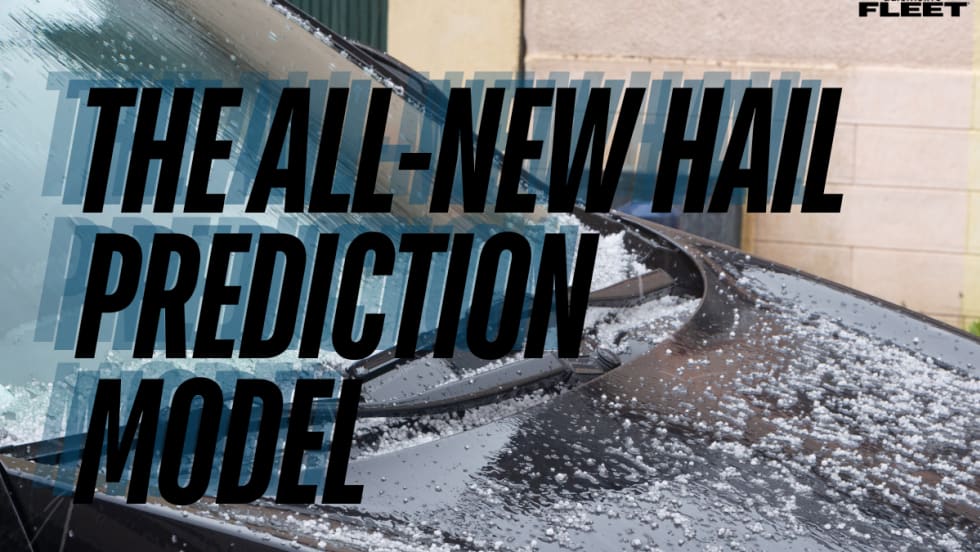
FLASH Weather AI Launches First Deep-Learning Hail Prediction Model With High-Resolution Forecasting
FLASH Weather AI has launched a first-of-its-kind hail prediction model capable of forecasting hail size and arrival time at 1-kilometer resolution up to 55 minutes ahead, giving fleets and insurers critical time to prepare for severe storms.
Read More →
How Coca-Cola United Protects Its Fleet from Growing Legal Risk
As litigation risk rises, vehicles are increasingly targeted. This Coca-Cola bottler shares how it’s reducing exposure through driver training, technology, and a proactive risk management approach.
Read More →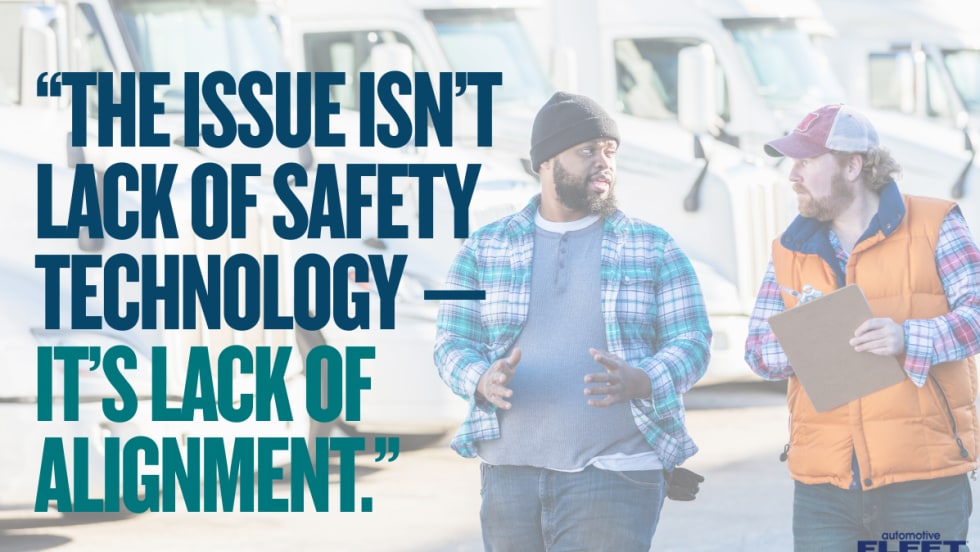
How to Speak the Same Language on Fleet Safety
Drivers, supervisors, and data often speak different safety “languages.” Getting on the same page will drive better results.
Read More →
Fleet Cybersecurity 101: What You Need from Your Technology Vendors
From identity management to third-party certifications, the right technology partner should make security easier to manage. Here are the three building blocks that fleet managers need to stay in control as connected systems scale.
Read More →
Reducing Risk by Eliminating Phone Use Behind the Wheel
Distracted driving remains one of the most persistent risks in fleet operations. New approaches focus on removing mobile device use entirely while adding real-time safety support.
Read More →