




Driving Safety Tips for Spring
The Rubber Manufacturers Assn. offers some driving tips for the spring season, when slick streets and potholes abound.
Springtime brings baseball, allergies, tax returns (hopefully, fat ones) and spring showers, the latter of which can result in dangerously slick roads. The Rubber Manufacturers Assn., which knows everything there is to know about tires, offers these driving tips for the spring season. You may want to pass the list along to your fleet drivers and staff members.
Stopping on a wet road can take up to four times the normal distance on a dry road. During wet weather conditions, drive slowly and keep in mind that stopping distances will be longer.
Check the pressure of your tires once a month, and before every long trip, to ensure that when you do need to stop, your tires can do everything they're supposed to do. The correct inflation pressure for your tires is specified by the vehicle manufacturer and is shown on the vehicle door edge, door post, glove box door or fuel door. It is also listed in the owner's manual. The maximum inflation pressure listed on the tire is not the recommended pressure.
Rain water that mixes with oil or grime on the streets can cause slippery conditions that may result in unexpected skidding. Slow down and pay attention to the possibility of skidding.
Make sure you have the alignment and balance of your tires checked regularly so that if you do skid, your vehicle is properly equipped to help you stop safely.
Rotating your tires can sometimes help correct irregular tire wear. Before rotating your tires, always refer to your car's owner's manual for rotation recommendations. If no rotation period is specified, tires should be rotated approximately every 5,000 miles.
In a sudden downpour, driving fast or driving on worn tires can cause your tires to hydroplane. This means that your tires "surf" along on a film of water just like a water skier. Slow down in sudden downpours and make sure you check the tread on your tires once per month and before every long trip. Your tires should have at least 2/32 inch of tread depth.
In many areas of the country, the snow and ice of winter have left roads in bad shape. The repeated freezing and thawing of moisture seeps through road surfaces and causes potholes. Here are some more tips for pothole season:
Hitting potholes can throw your car's front end out of alignment. If you feel your car "pulling" during driving, that's a clue that you could have a problem.
Check the tread on your tires. Uneven tread wear can be a sign of misalignment. If you hit a severe pothole, have a tire dealer check your vehicles' alignment and tire balance.
When you hit a pothole you can damage your tire and/or the metal wheel of your vehicle. Keeping your tires properly inflated will help reduce damage from potholes and other road hazards.
The impact of potholes on tires increases dramatically with speed and can cause hidden, internal damage that could lead to tire failure weeks, or even months, later. It's best to avoid potholes entirely, but if that's not possible, don't brake during the pothole impact. Instead, apply brakes before hitting a pothole and release them just before impact. Braking during the impact sets up the tire and wheel assembly for a "solid hit" against the edge of the hole. Less severe damage occurs when a tire is rolling than when it is skidding over a hole during braking.
More Safety

Nominations Open for 2026 Fleet Safety Award
Nominations have officially opened for the 2026 Fleet Safety Award Winner.
Read More →
Turning Connected Vehicle Data Into Decisions That Matter
Fleet leaders have more data than ever, but turning that data into clear, actionable decisions remains a challenge. This white paper shows how leading organizations are using connected vehicle data to improve safety, reduce costs, and optimize fleet performance. Learn how to turn insight into action across your fleet.
Read More →
Cameras, Safety and Insurance: From Reactive Claims to Real-time Prevention
Commercial auto remains one of the most challenging and costly lines of coverage for fleet operators and insurers alike. Learn more about how to effectively address these issues from Onur Aksan, Enterprise Business Development Executive, Geotab.
Read More →

NAFA Fleet Safety Symposium to Collocate With 2026 Fleet Forward Conference
The daylong certificate program will precede the Fleet Forward Conference at the Gaylord National Harbor in Maryland.
Read More →
The Distractions You Can’t Turn Off: What Drivers Face Outside the Vehicle
Fleet drivers face constant visual, cognitive, and environmental interruptions the moment they hit the road. From roadside chaos to mental fatigue and digital overload, today’s biggest driving risks often come from outside the vehicle itself.
Read More →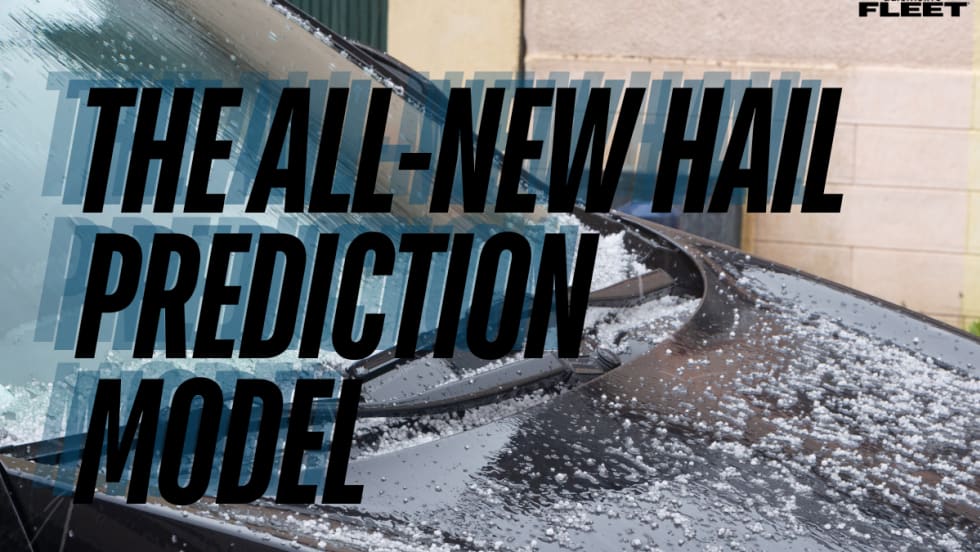
FLASH Weather AI Launches First Deep-Learning Hail Prediction Model With High-Resolution Forecasting
FLASH Weather AI has launched a first-of-its-kind hail prediction model capable of forecasting hail size and arrival time at 1-kilometer resolution up to 55 minutes ahead, giving fleets and insurers critical time to prepare for severe storms.
Read More →
How Coca-Cola United Protects Its Fleet from Growing Legal Risk
As litigation risk rises, vehicles are increasingly targeted. This Coca-Cola bottler shares how it’s reducing exposure through driver training, technology, and a proactive risk management approach.
Read More →
How to Speak the Same Language on Fleet Safety
Drivers, supervisors, and data often speak different safety “languages.” Getting on the same page will drive better results.
Read More →
Fleet Cybersecurity 101: What You Need from Your Technology Vendors
From identity management to third-party certifications, the right technology partner should make security easier to manage. Here are the three building blocks that fleet managers need to stay in control as connected systems scale.
Read More →
Reducing Risk by Eliminating Phone Use Behind the Wheel
Distracted driving remains one of the most persistent risks in fleet operations. New approaches focus on removing mobile device use entirely while adding real-time safety support.
Read More →