




How Smarter Cars Could Power the Future
AUBURN HILLS, MI – Stopping, starting, and accelerating your car or SUV can burn unnecessary amounts of fuel while driving. To combat this challenge, two new technologies have recently come out to provide a greener driving experience.
AUBURN HILLS, MI – Stopping, starting, and accelerating your car or SUV can burn unnecessary amounts of fuel while driving. To combat this challenge, two new technologies have recently come out to provide a greener driving experience. Nissan’s Eco Pedal pushes back on a driver’s lead foot, while Audi’s Travolution tells a driver how fast to go to make the next green light, according to www.livescience.com.
And Volvo Cars has attracted considerable attention with its new safety function in which the car brakes automatically — Volvo City Safety. City Safety, which is fitted as standard in the Volvo XC60, is a system where at low speeds (0-30 km/h) the car automatically brakes if the driver has been distracted and does not respond to a vehicle in front. The function helps cut the number and severity of low-speed rear-end collisions. Such impacts represent a large proportion of the total number of accidents that take place.
Safety institutes and authorities such as Thatcham (Great Britain) and IIHS (Insurance Institute for Highway Safety, the USA), organize seminars for insurance companies the world over. The reason is that City Safety is expected to reduce the number of personal injuries and material damage in conjunction with low-speed impacts. Costs thus also decrease for customers, insurance companies and society in general. What is more, City Safety helps avoid or reduce the risk of whiplash injuries among occupants in the car being hit.
The new XC60 is Volvo’s safest car ever and it can be equipped with all the very latest advances in safety-enhancing technology. Owing to the positive effects of City Safety, several insurance companies the world over are cutting premiums by 10 to 30 percent for customers who insure the new cross-over model with them.
The longer-term vision of Volvo Cars is to create cars that do not collide, and in the shorter term the aim is that by 2020, nobody should be killed or injured in a Volvo.
More Safety

Nominations Open for 2026 Fleet Safety Award
Nominations have officially opened for the 2026 Fleet Safety Award Winner.
Read More →
Turning Connected Vehicle Data Into Decisions That Matter
Fleet leaders have more data than ever, but turning that data into clear, actionable decisions remains a challenge. This white paper shows how leading organizations are using connected vehicle data to improve safety, reduce costs, and optimize fleet performance. Learn how to turn insight into action across your fleet.
Read More →
Cameras, Safety and Insurance: From Reactive Claims to Real-time Prevention
Commercial auto remains one of the most challenging and costly lines of coverage for fleet operators and insurers alike. Learn more about how to effectively address these issues from Onur Aksan, Enterprise Business Development Executive, Geotab.
Read More →
NAFA Fleet Safety Symposium to Collocate With 2026 Fleet Forward Conference
The daylong certificate program will precede the Fleet Forward Conference at the Gaylord National Harbor in Maryland.
Read More →
The Distractions You Can’t Turn Off: What Drivers Face Outside the Vehicle
Fleet drivers face constant visual, cognitive, and environmental interruptions the moment they hit the road. From roadside chaos to mental fatigue and digital overload, today’s biggest driving risks often come from outside the vehicle itself.
Read More →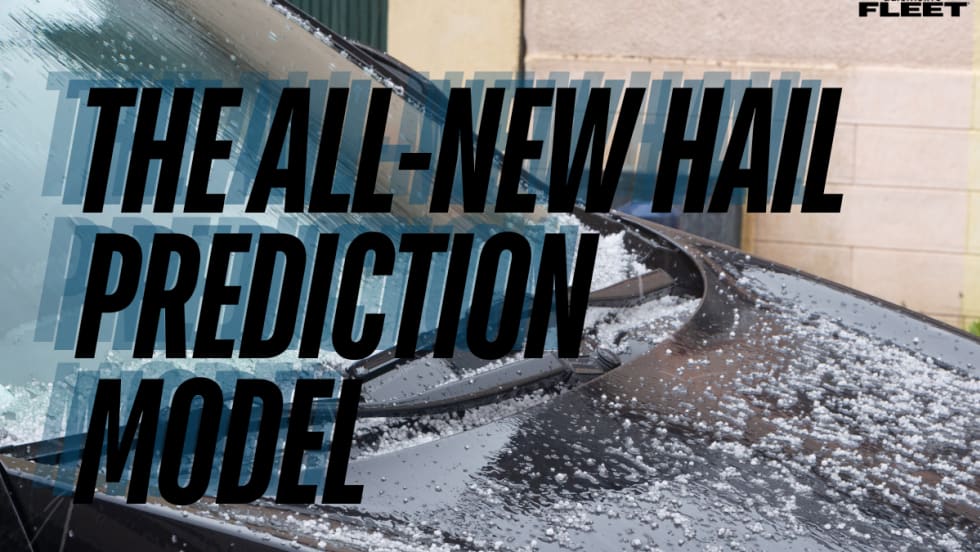
FLASH Weather AI Launches First Deep-Learning Hail Prediction Model With High-Resolution Forecasting
FLASH Weather AI has launched a first-of-its-kind hail prediction model capable of forecasting hail size and arrival time at 1-kilometer resolution up to 55 minutes ahead, giving fleets and insurers critical time to prepare for severe storms.
Read More →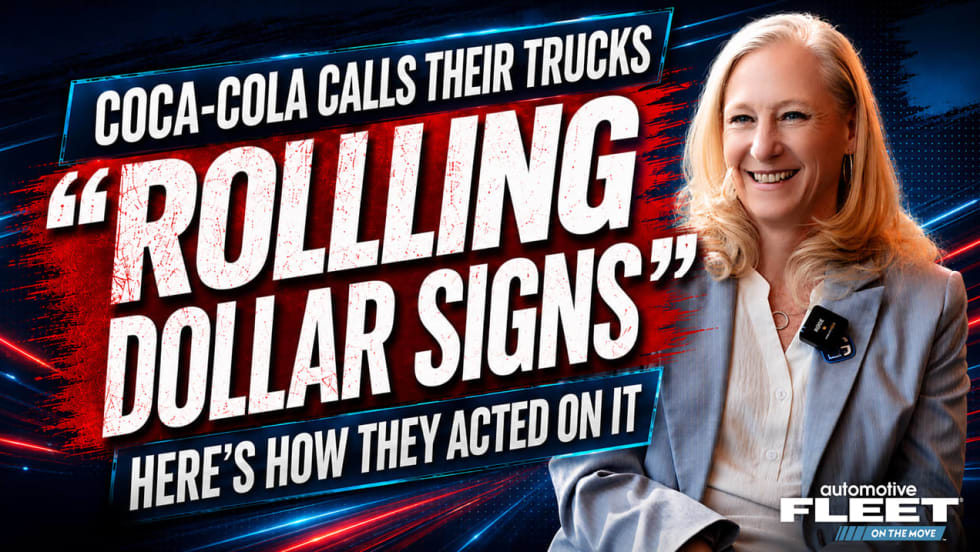
How Coca-Cola United Protects Its Fleet from Growing Legal Risk
As litigation risk rises, vehicles are increasingly targeted. This Coca-Cola bottler shares how it’s reducing exposure through driver training, technology, and a proactive risk management approach.
Read More →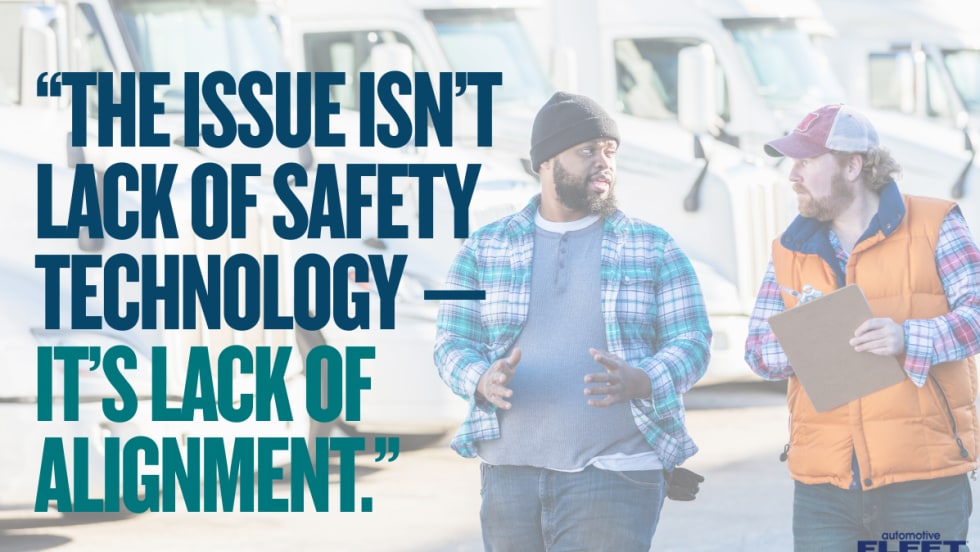
How to Speak the Same Language on Fleet Safety
Drivers, supervisors, and data often speak different safety “languages.” Getting on the same page will drive better results.
Read More →
Fleet Cybersecurity 101: What You Need from Your Technology Vendors
From identity management to third-party certifications, the right technology partner should make security easier to manage. Here are the three building blocks that fleet managers need to stay in control as connected systems scale.
Read More →
Reducing Risk by Eliminating Phone Use Behind the Wheel
Distracted driving remains one of the most persistent risks in fleet operations. New approaches focus on removing mobile device use entirely while adding real-time safety support.
Read More →