




3M Center Reinforces Good Driving
Performing an annual motor vehicle record check and assigning a point system for driving infractions has helped 3M reduce accidents by 14 percent.


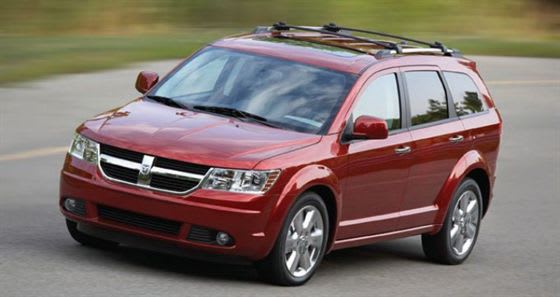
Dodge Journey
3M, a diversified technology company that produces Post-it products, reflective materials, industrial tapes, packaging solutions, and more, calls its risk management program the "U.S. Safe Driver Program." The 2,500-vehicle fleet is used primarily for sales (2,200 vehicles) as well as plant facility vehicles (300).
The goal of 3M's risk management program is to reinforce good driving habits that keep employees safe, protect the company's reputation, and minimize the risk of financial exposure.
"We perform annual motor vehicle record (MVR) checks on every 3M employee and other eligible drivers given permission to drive a 3M vehicle, including spouse/domestic partner and adult child over 21 living at home," explained David Haslerud, global process specialist, administrative services at 3M Center.
Points are assigned to driving infractions and three-year point totals are calculated for each driver, with increasing severity of corrective actions (online class, classroom training, removal of vehicle, etc.).
The driver's manager is notified of corrective actions, and a record is kept in the employee personnel file.
"We do MVR checks in the middle of the year so we are done in time for the normal fall ordering cycle," said Haslerud. "Drivers who do not complete any required training will not be able to order their replacement vehicle."
Facing Problems & Realizing Accomplishments
According to Haslerud, initial problem areas included motivating drivers to complete the MVR form in a timely manner, authorizing 3M to check their driving record, and sending incomplete or inaccurate forms.
"We now only need a completed authorization form from new employees as the initial form allows us to check every year," noted Haslerud.
The current process is completed in a few months. In the program's first year, the process took more than six months from start to finish.
"A bit of a surprise bonus is 2009 (our second year of the program) saw a 14-percent year-to-date reduction in accidents and more than $200,000 less in accident repair costs," said Haslerud. "In talking with a few select sales reps about the program, they indicated just knowing we are going to be checking their driving record has caused them to be more aware of how they are driving. They're slowing down, are able to react quicker to developing situations, and as a result, are better and safer drivers. We appreciate it and hope they and their families do too."
To develop a risk management program, Haslerud suggests to "just get started."
"Involve management of the drivers, as their support for the program is critical. The potential liability to your company if you don't do anything is staggering. This is one area in which you don't want to bury your head in the sand," said Haslerud.
More Safety

Nominations Open for 2026 Fleet Safety Award
Nominations have officially opened for the 2026 Fleet Safety Award Winner.
Read More →
Turning Connected Vehicle Data Into Decisions That Matter
Fleet leaders have more data than ever, but turning that data into clear, actionable decisions remains a challenge. This white paper shows how leading organizations are using connected vehicle data to improve safety, reduce costs, and optimize fleet performance. Learn how to turn insight into action across your fleet.
Read More →
Cameras, Safety and Insurance: From Reactive Claims to Real-time Prevention
Commercial auto remains one of the most challenging and costly lines of coverage for fleet operators and insurers alike. Learn more about how to effectively address these issues from Onur Aksan, Enterprise Business Development Executive, Geotab.
Read More →

NAFA Fleet Safety Symposium to Collocate With 2026 Fleet Forward Conference
The daylong certificate program will precede the Fleet Forward Conference at the Gaylord National Harbor in Maryland.
Read More →
The Distractions You Can’t Turn Off: What Drivers Face Outside the Vehicle
Fleet drivers face constant visual, cognitive, and environmental interruptions the moment they hit the road. From roadside chaos to mental fatigue and digital overload, today’s biggest driving risks often come from outside the vehicle itself.
Read More →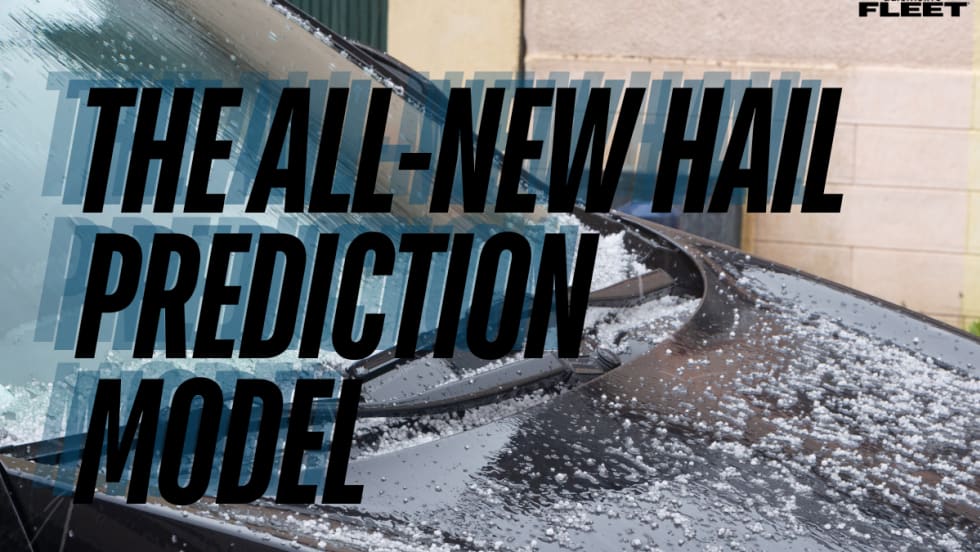
FLASH Weather AI Launches First Deep-Learning Hail Prediction Model With High-Resolution Forecasting
FLASH Weather AI has launched a first-of-its-kind hail prediction model capable of forecasting hail size and arrival time at 1-kilometer resolution up to 55 minutes ahead, giving fleets and insurers critical time to prepare for severe storms.
Read More →
How Coca-Cola United Protects Its Fleet from Growing Legal Risk
As litigation risk rises, vehicles are increasingly targeted. This Coca-Cola bottler shares how it’s reducing exposure through driver training, technology, and a proactive risk management approach.
Read More →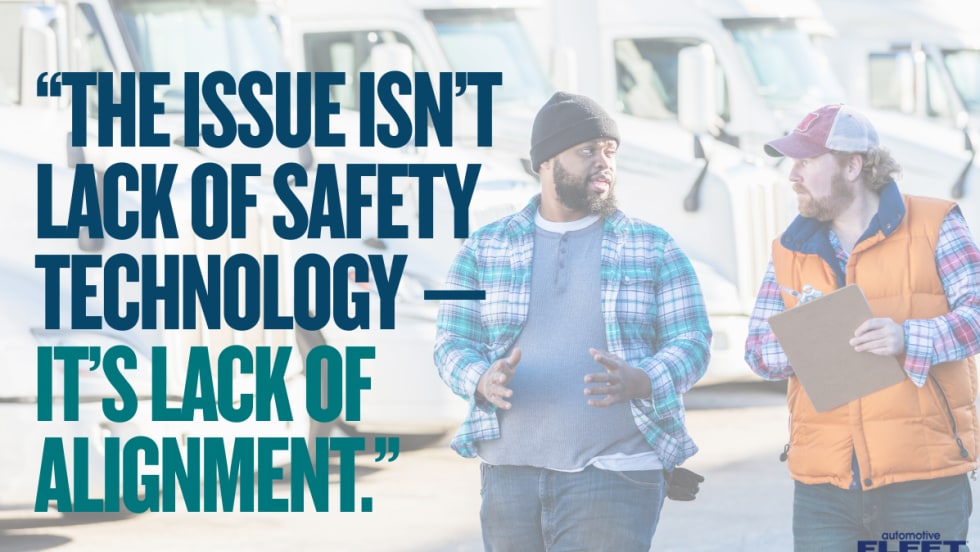
How to Speak the Same Language on Fleet Safety
Drivers, supervisors, and data often speak different safety “languages.” Getting on the same page will drive better results.
Read More →
Fleet Cybersecurity 101: What You Need from Your Technology Vendors
From identity management to third-party certifications, the right technology partner should make security easier to manage. Here are the three building blocks that fleet managers need to stay in control as connected systems scale.
Read More →
Reducing Risk by Eliminating Phone Use Behind the Wheel
Distracted driving remains one of the most persistent risks in fleet operations. New approaches focus on removing mobile device use entirely while adding real-time safety support.
Read More →